how does heating patch work
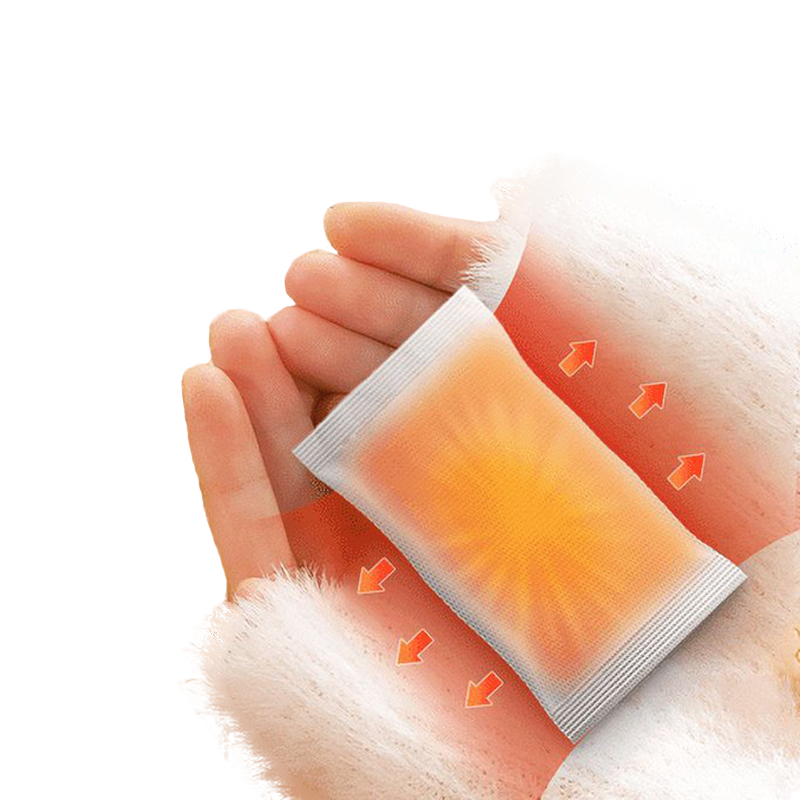
Understanding how does heating patch work is essential for anyone seeking targeted pain relief and warmth therapy. A heating patch is a self-adhesive therapeutic device designed to deliver consistent, penetrating heat directly to affected areas of your body. The mechanism behind how does heating patch work involves a chemical reaction that generates sustained warmth without requiring electricity or batteries.
The core technology uses exothermic chemical reactions, typically involving iron powder, salt, activated carbon, and water. When exposed to oxygen, these ingredients react and produce heat that gradually increases to optimal temperatures, usually between 104°F and 113°F. This natural heating process activates blood circulation and reduces muscle tension effectively.
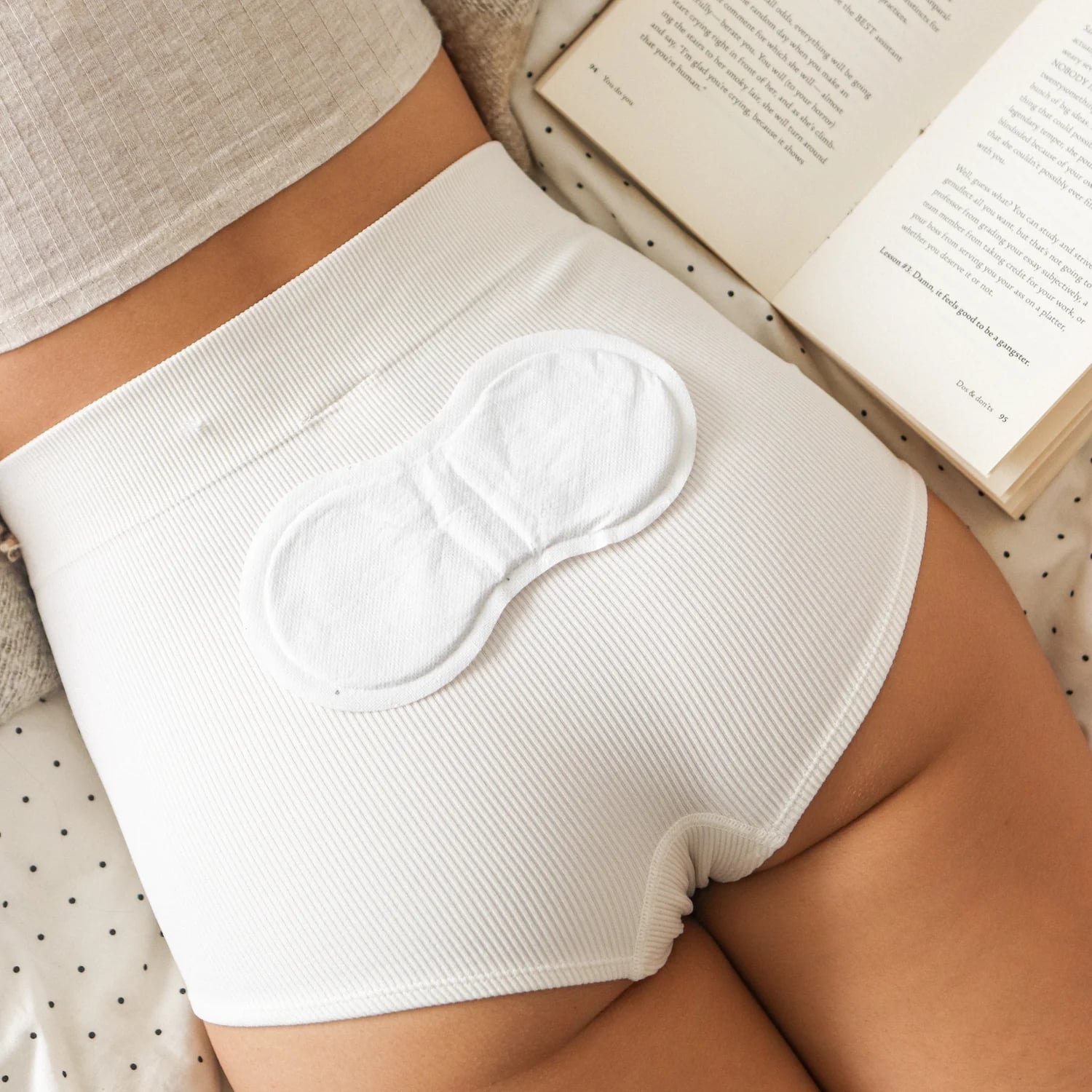
How does heating patch work also depends on proper adhesion to skin. The waterproof backing ensures the patch stays in place during daily activities while allowing heat to penetrate underlying tissues. Most patches maintain their therapeutic temperature for six to eight hours, providing extended relief throughout your day or night.
These patches work through both direct heat application and the subsequent physiological responses in your body. The warmth dilates blood vessels, increases oxygen flow, and promotes natural healing processes. Understanding how does heating patch work helps users maximize benefits for muscle pain, arthritis, menstrual cramps, and general soreness relief.
 EN
EN