 EN
EN
Търсенето на по-добро качество на съня е накарало много хора да проучат иновативни решения и лепило за уста лепенката за устата се е показала като изненадващо ефективен инструмент за подобряване на циклите на дълбок сън. Практиката да се използва лепенка за устата по време на сън насърчава дишането през носа, което според множество проучвания върху съня е свързано с подобряване на оксигенацията, намаляване на прекъсванията по време на сън и подобряване на възстановителните фази на съня. Въпреки това, ключовата загриженост, която възпрепятства много хора да опитат този метод, е потенциалното раздразнение на кожата, особено в деликатната периорална област. Тази статия директно разглежда въпроса дали лепенката за устата може да осигури истински ползи за дълбокия сън, без да компрометира здравето и комфорта на кожата през нощта.
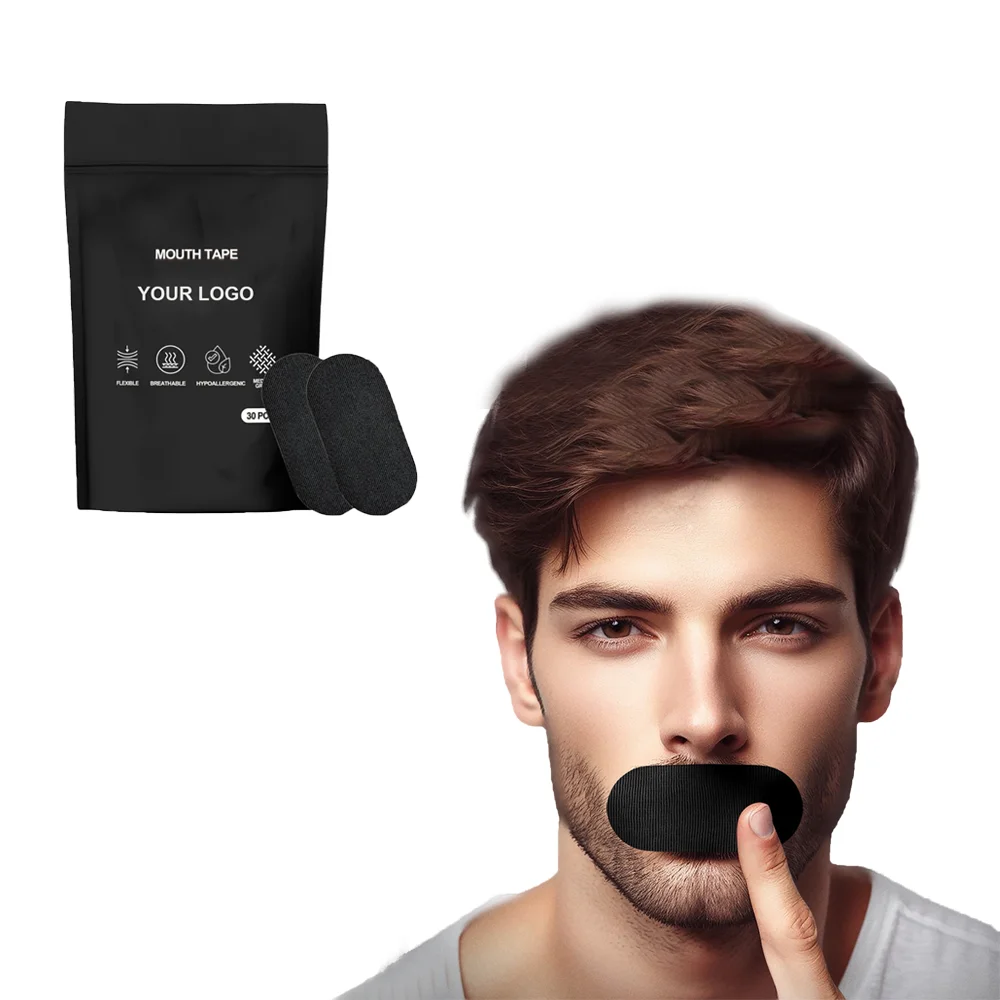
Отговорът е положителен при правилен избор на продукт и приложение техника. Съвременните лепенки за устата пРОДУКТИ специално проектирани за употреба по време на сън и включващи хипоалергенни лепила, дишани материали и формули без латекс, които минимизират риска от раздразнение, докато ефективно насърчават назалното дишане. Ключовият аспект е разбирането на връзката между конструкцията на лентата за устата, съвместимостта ѝ с кожата и физиологията на съня. При правилен избор лентата за устата действа като нежно напомняне да се поддържа дишане със затворена уста, което активира естествените механизми на тялото за подобряване на съня, без да се компрометира цялостта на кожата. Този двойствен ефект — подобряване на архитектурата на съня и запазване на комфортността на кожата — напълно зависи от избора на подходящи продукти и спазването на приложни практики, основани на научни данни, които вземат предвид както респираторните нужди, така и дерматологичната чувствителност.
Разбиране на механизма на дълбокия сън и връзката с назалното дишане
Как назалното дишане влияе върху архитектурата на съня
Носовото дишане принципно се различава от устното дишане по начини, които директно влияят върху качеството и дълбочината на съня. Когато въздухът преминава през носните проходи, той подлага на естествено филтриране, увлажняване и регулиране на температурата, преди да достигне до белите дробове. Този процес стимулира производството на азотен оксид – молекула, която подобрява абсорбцията на кислород в кръвта и насърчава вазодилатацията. Изследвания показват, че носовото дишане по време на сън подпомага по-дълги периоди в бавновълновия сън – най-дълбоката и най-възстановителната фаза на съня. Хората, които поддържат носово дишане през цялата нощ, обикновено изпитват по-малко микровъзбуди – кратки прекъсвания в непрекъснатостта на съня, които попречват преминаването към по-дълбоки фази на съня.
Физиологичното предимство на дишането през носа се простира и до ефективността на дишането по време на сън. Дишането през устата често води до повърхностни и ускорени дишани цикли, които могат да активират симпатиковата нервна система и да поддържат тялото в лек стресов режим дори по време на сън. Това пречи на доминирането на парасимпатиковата нервна система, необходимо за консолидиране на дълбокия сън. В противоположност на това дишането през носа естествено насърчава диафрагмално дишане с по-бавни и по-дълбоки дишани цикли, които изпращат сигнали за безопасност към нервната система. Този дишан модел облекчава прехода от леките фази на съня към по-дълбоките и по-възстановителни фази, където се осъществяват главно клетъчното възстановяване, консолидирането на паметта и регулирането на хормоните.
Ролята на лепкавата лента за уста при поддържане на дишането през носа
Лентата за устата функционира като поведенческо вмешателство, което подсили носовото дишане през цялото време на сън. Много хора несъзнателно преминават към устно дишане по време на сън, особено по време на фазата REM, когато тонусът на мускулите естествено намалява. Този преход нарушава полезните дихателни модели, свързани с носовото дишане, и може да фрагментира архитектурата на съня. Лентата за устата осигурява лек обратен връзка чрез физическо усещане, която насърчава поддържането на затворена уста без принудително ограничаване на дишането. Лентата не служи като запечатващо средство, а като проприоцептивен сигнал, който напомня на тялото да използва носните пътища за дишане.
Ефективността на лентата за устата при насърчаване на дълбокия сън зависи от способността ѝ да поддържа този дихателен модел последователно през цялата нощ, без да предизвиква осъзнаване или дискомфорт, които сами по себе си биха могли да нарушиха съня. Качеството лепило за уста проектиран специално за приложения, свързани със сън, позволява спешно отваряне на устата при необходимост, като в същото време осигурява достатъчна адхезия, за да се поддържа затворено положение на устата по време на нормалния сън. Това равновесие между сигурност и гъвкавост е от решаващо значение както за психологическия комфорт, така и за реалното подобряване на качеството на съня. Потребителите обикновено съобщават за адаптация в рамките на три до седем нощи, след което назалният модел на дишане става по-автоматичен, а присъствието на лепенката става по-малко забележимо.
Фактори, предизвикващи раздразнение на кожата, и хипоалергенни решения
Чести причини за кожни реакции към лепкави продукти
Иритацията на кожата от адхезивни продукти обикновено се дължи на няколко различни механизма, които оказват различно въздействие върху периоралната област в сравнение с други области на лицето. Контактният дерматит е най-честата реакция и възниква, когато компонентите на адхезива или техните химични добавки предизвикват имунни реакции при чувствителна кожа. Кожата около устата съдържа висока плътност на нервни окончания и има относително тънки епидермални слоеве в сравнение с други области на лицето, което я прави особено податлива на раздразнителни реакции. Освен това периоралната област често е изложена на влага от слюнката и кондензацията на дъха, което може да наруши функцията на кожния бариеp и да увеличи уязвимостта към иритация.
Механичното раздразнение представлява още една значителна загриженост при прилагането на лепенка за устата. Повторното прилагане и отстраняване на лепкави продукти може да причини микротравми на повърхността на кожата, което наруши роговия слой и води до увеличена трансепидермална загуба на вода. Този механичен стрес става особено проблематичен, когато лепилата се свързват прекалено агресивно или когато отстраняването се извършва бързо и без подходяща техника. Освен това оклузията под лепкавите продукти може да създаде влажна микросреда, която променя pH на кожата и насърчава надмножаването на бактерии, потенциално водейки до периорален дерматит или фоликулит. Разбирането на тези механизми обяснява защо традиционните лепкави ленти, предназначени за други цели, често предизвикват проблеми, когато се използват повторно за нощно прилагане върху лицето.
Хипоалергенна лепилна технология за чувствителна кожа
Съвременната хипоалергенна лента за устата използва специализирани лепилни състави, които са проектирани специално за продължителен контакт с кожата на лицето. Тези лепила от медицински клас обикновено се базират на акрилови съединения, а не на каучукови лепила, което значително намалява честотата на алергична сенсибилизация. Акриловите лепила запазват постоянна адхезивна ефективност при различни нива на влажност и температурни условия, като в клинични изследвания показват по-ниски нива на контактен дерматит. Силата на лепилото е калибрирана така, че да осигурява достатъчна адхезия за употреба през нощта, без да се изисква агресивно залепване, което усложнява премахването или поврежда кожата при отделяне.
Формулациите, свободни от латекс, представляват критичен компонент в дизайна на хипоалергенна устна лепенка, тъй като латексните протеини са един от най-често срещаните източници на алергични реакции, свързани с лепилото. Качествените продукти за устна лепенка ясно изключват латекса и други алергени с висок риск както от лепилния слой, така и от основния материал. Самият основен материал допринася значително за съвместимостта с кожата чрез характеристиките си на пропускливост за въздух. Пропускливите за въздух материали позволяват преминаването на водна пара, предотвратявайки натрупването на влага под лепенката, което би могло да причини макерация на кожата или да насъдейства на микробно размножаване. Тази пропускливост за пара поддържа по-физиологично нормална микросреда на повърхността на кожата, намалявайки риска от раздразнение и осигурявайки комфорт при нощно носене.
Избор на материали и дерматологични стандарти за безопасност
Изборът на подложни материали за лентата за устата включва балансиране на множество изисквания към производителността с дерматологични съображения за безопасност. Неплетени тъкани от медицинско качество и специализирани полимерни филми представляват най-често използваните подложни материали в премиум продукти за лента за устата. Неплетените материали осигуряват отлична прилепваемост към контурите на лицето и естественото движение на устата по време на сън, намалявайки точките на концентрация на напрежение, които биха могли да причинят дискомфорт или преждевременно отлепяне. Тези материали обикновено демонстрират по-добра дишаемост в сравнение с непрозрачните полимерни филми, макар напредналите микропорести филми да могат да постигнат сравними скорости на пренасяне на пара, като осигуряват по-висока структурна последователност.
Продуктите за запушване на устата, които са дерматологично тествани, подлагат на строги оценъчни протоколи, целящи както потенциала за раздразнение, така и риска от алергична сенсибилизация. Пластовото тестване върху различни типове кожа предоставя доказателства за безопасността им при различни генетични фонове и предварително съществуващи състояния на чувствителност. Продуктите, които отговарят на международните стандарти за биосъвместимост на медицинските изделия, показват значително по-ниски нива на раздразнение в сравнение с общи лепкави ленти. Процесът на сертифициране оценява не само крайния продукт, но и отделните материали на компонентите, като гарантира, че никой етап от производствения процес не въвежда сенсибилизиращи вещества. Този комплексен подход към безопасното използване на материали позволява на лентите за запушване на устата да осигуряват ползи за съня, без да застрашават здравето на кожата, дори и при нощно използване в продължение на дълги периоди.
Правилни техники за прилагане, за да се минимизира риска от раздразнение
Подготовка на кожата преди прилагане
Ефективната подготовка на кожата значително намалява риска от раздразнение и подобрява ефективността на лепкавата лента за устата през целия период на сън. Областта около устата трябва да се почисти внимателно, за да се премахнат остатъците от козметични продукти, естествените мастни секрети на кожата и околните замърсители, които могат да попречат на адхезивното залепване или да задържат раздразнители. При това обаче почистването трябва да се извършва с меки, нераздразняващи средства, а не с агресивни сапуни, които отстраняват защитните липиди от кожния барие. След почистването кожата трябва да бъде напълно изсушена преди прилагане на лепкавата лента за устата, тъй като влагата пречи на първоначалното адхезивно залепване и може да се задържи под лентата, създавайки условия, благоприятни за раздразнение.
За хора с изключително чувствителна кожа или за нови потребители на лепенки за устата, нанасянето на тънък слой бариерна крема около периферията на областта, където ще се постави лепенката, може да осигури допълнителна защита, без да се компрометира адхезивната й ефективност. Бариерата не трябва да се нанася директно там, където лепенката ще се залепи, а по-скоро върху околната кожа, която може да изпита триене от ръбовете на лепенката по време на нормални движения на лицето. Тази защитна стратегия се оказва особено ценна по време на периода на адаптация, когато потребителите развиват оптимални техники за поставяне. Някои потребители получават полза от леко променяне на позицията на лепенката всяка нощ, за да разпределят механичното напрежение върху по-голяма площ от кожата, макар това да изисква внимателно следене на поддържането на ефективно затваряне на устата.
Оптимално поставяне и методи за премахване
Правилното поставяне на лентата за устата осигурява баланс между ефективността й при насърчаване на носово дишане и минимизирането на напрежението върху кожата и удобството по време на сън. Лентата трябва да се постави така, че да позволи леко сближаване на устните, без да дърпа или деформира тъканите на лицето. Вертикалното поставяне върху устната цепнатина представлява най-често срещаната и най-ефективна конфигурация, макар някои хора да предпочитат хоризонтално поставяне в зависимост от анатомията на лицето и личното им удобство. Лентата трябва да се изтегля приблизително с един до два сантиметра надолу от краищата на устните от всяка страна, за да се осигури сигурно залепване, без да се изисква прекомерна адхезивна повърхност, която увеличава риска от раздразнение.
Налягането при прилагане значително влияе както върху незабавния комфорт, така и върху потенциала за последващо раздразнение. След поставяне на лентата за устата трябва да се приложи леко, но твърдо налягане в продължение на десет до петнадесет секунди, за да се активира лепкавата връзка. Този период на активиране позволява на лепилото да се приспособи към микроконтурите на повърхността на кожата и да постигне оптимално залепване, без да е необходимо агресивно налягане, което би предизвикало незабавен дискомфорт или компресия на тъканите. Избягването на прекомерно разтягане на лентата по време на прилагането предотвратява напрежението, което би дръпнало кожата през нощта, докато лицевите мускули се отпускат по време на дълбоките фази на съня.
Техниката за премахване също е от съществено значение за предотвратяване на раздразнение на кожата при многократно използване на лепенката за устата. При събуждане лепенката никога не трябва да се отлепва бързо и рязко, тъй като това създава срязващи сили, които могат да повредят повърхностните слоеве на кожата. Вместо това лепенката трябва да се отлепва бавно, докато с другата ръка се подпира съседната кожа, за да се минимизира механичното напрежение. Някои потребители установяват, че лекото намокряне на краищата на лепенката преди премахването й допълнително намалява силата на лепкавостта, което улеснява по-мекото отделяне. Процесът на премахване трябва да протича достатъчно бавно, така че да не възниква усещане за дърпане или дискомфорт в кожата — дори ако това изисква една–две минути внимателно отлепване. След премахването остатъците от лепкаво вещество трябва да се почистят с меко маслообразно почистващо средство, а не чрез интензивно триене с вода.
Период на адаптация и постепенно използване
Новите потребители на устна лента трябва да подхождат към нейното използване с постепенна стратегия, която позволява както физиологична, така и дерматологична адаптация. Започването с използване само през част от нощта или дори с пробни периоди през деня дава възможност на потребителите да оценят толерантността на кожата и нивото на комфорт, без да се задължават към пълно нощно прилагане. Този стъпенчат подход се оказва особено ценен за хора с известна чувствителност на кожата или за онези, които преминават от обичайното дишане през устата. Първоначалните сесии могат да включват използване на устна лента само през първите няколко часа на съня, като продължителността се увеличава постепенно с повишаване на комфорта и увереността.
През периода на адаптация внимателното наблюдение върху състоянието на кожата помага да се идентифицират потенциални раздразнения, преди те да се развият в значими дерматологични проблеми. Потребителите трябва да преглеждат околноустната област всяка сутрин за признаци на зачервяване, сърбеж или промени в текстурата, които може да показват развиващо се раздразнение. Леко, преходно зачервяване непосредствено след отстраняване обикновено изчезва за няколко минути и представлява нормална реактивна хиперемия, а не патологично раздразнение. Въпреки това, устойчиво зачервяване, продължаващо повече от тридесет минути, появата на папули или везикули или прогресиращи симптоми в продължение на няколко дни изискват повторна оценка на избора на продукт или техниката на прилагане. Някои хора може да имат нужда от периодични почивни дни при първоначалното използване на устна лепенка, за да позволят на кожата пълно възстановяване между отделните приложения, докато напълно се развие толерантност.
Подобрения в качеството на дълбокия сън чрез последователно използване на устна лепенка
Обективни показатели за съня и физиологични промени
Количествено измерими подобрения в архитектурата на съня стават очевидни чрез полисомнографски анализ и устройства за проследяване на съня, използвани от потребителите, когато лепенката за устата насърчава последователно носово дишане. Проучванията за съня документират увеличение на продължителността в стадиите на бавновълнов сън, които обикновено съставляват двайсет до двайсет и пет процента от общото време за сън при здрави възрастни. Потребителите, които използват лепенка за устата, често съобщават за увеличение с пет до петнайсет процента в продължителността на дълбокия сън през първите две седмици на последователна употреба. Това подобрение отразява натрупаните предимства от подобряване на оксигенацията, намаляване на респираторното усилие и намаляване на фрагментацията на съня, свързани с поддържането на носово дишане през цялата нощ.
Физиологичните маркери на качеството на съня показват измерими подобрения, които корелират с използването на лепенка за устата. Честотата на сърдечните удари при събуждане често се повишава, което показва подобряване на парасимпатиковата възстановителна функция по време на сън. Покойната честота на сърдечните удари при събуждане често намалява с три до седем удара в минута, отразявайки по-ефективно възстановяване на сърдечносъдовата система по време на дълбоките фази на съня. Нивата на кислородна сатурация в кръвта проявяват по-малко вариабилност през нощта, като се наблюдават по-малко събития на десатурация, които могат да предизвикат реакции на будност. Тези обективни подобрения се отразяват и в субективните усещания — по-освежено събуждане, намалена умора през деня и подобряване на когнитивната производителност при задачи, изискващи продължително внимание или сложни проблеми.
Субективно преживяване на съня и качество на възстановяването
Освен обективните измервания, потребителите на лепенки за устата последователно съобщават за подобряване на субективното качество на съня, което се проявява в множество аспекти на сънния опит. Усещането да се събуждаш освежен, а не замаян, става по-последователно, дори когато общата продължителност на съня остава непроменена. Това подобрение отразява по-ефективното преминаване през циклите на съня и увеличаването на времето, прекарано във възстановителните фази на дълбок сън. Много потребители отбелязват намаляване на честотата на нощните пробуждания, особено онези, които преди това са били свързани със суха уста, раздразнение на гърлото или усещането за затруднено дишане, което често съпътства дишането през устата по време на сън.
Качеството на сутрешното събуждане значително се подобрява за много хора, които използват лепенки за устата, като се намалява сънливостта след събуждане и се ускорява когнитивното „прочистване“ при събуждане. Това подобрение се дължи на по-естествено завършване на циклите на съня, а не на будене от по-леки стадии на съня или фрагментирана сънна архитектура. Потребителите често съобщават за напълно изчезнали сутрешни главоболия, които преди това са били резултат от нощна хипоксия или нарушени модели на сън. Съпартньорите често отбелязват намаляване на хъркането при използване на лепенки за устата, тъй като дишането през носа намалява вибрациите на меките тъкани и турбулентността в дихателните пътища, които пораждат звуците на хъркането. Това подобрение ползва не само потребителя на лепенката за устата, но и спящите партньори, които също преживяват подобряване на качеството на своя сън благодарение на намаленото шумово разстройство.
Оптимизиране на сънните модели на дълга продължителност
Продължителното използване на лепенка за устата в продължение на седмици до месеци насърчава невропластични адаптации, които постепенно могат да възстановят носовото дишане като основен дихателен модел, дори и при спиране на използването на лепенката. Дихателните центрове в мозъка реагират на последователната сензорна обратна връзка, като укрепват невронните пътища, свързани с носовото дишане, и ослабват навикнатите модели на устно дишане. Този процес на преучаване обикновено изисква последователно прилагане на лепенка за устата в продължение на шест до дванадесет седмици, преди да стане самоподдържащ се, макар индивидуалните различия да са значителни в зависимост от продължителността и тежестта на предишните навици на устно дишане.
Дългогодишните потребители често установяват, че лепенката за устата става по-малко необходима, когато носовото дишане се превърне в навик, макар много от тях да продължават да я използват като стратегия за оптимизиране на съня дори след формирането на навика. Тази практика се интегрира безпроблемно в комплексни протоколи за хигиена на съня, които включват редовно планиране на времето за сън, оптимизирани условия в средата за сън и методи за управление на стреса. Когато се комбинира с внимание към позата по време на сън, контрол на температурата в спалнята и управление на светлинното въздействие, лепенката за устата допринася за синергична подобряване на общото качество на съня, което надхвърля ползата от всяка отделна интервенция. Този комплексен подход към оптимизиране на съня представя лепенката за устата не като самостоятелно решение, а като ценен компонент на базираните на доказателства стратегии за постигане на последователно възстановителен сън.
Избор на подходящи продукти лепенка за устата според индивидуалните нужди
Критерии за оценка на характеристиките на продукта
Изборът на оптимална лента за устата изисква системно оценяване на множество характеристики на продукта, които заедно определят както ефективността, така и съвместимостта с кожата. Формулацията на лепилото представлява основния фактор за разглеждане, като медицински клас хипоалергенни лепила демонстрират превъзходна производителност при нощна употреба върху лицето в сравнение с универсални лепила. Лепилото трябва да осигурява последователно залепване през цялата типична продължителност на сън, без да изисква прекомерна първоначална лепкавост, която усложнява прилагането или увеличава напрежението върху кожата. Продуктите, които са официално сертифицирани като латекс-свободни и хипоалергенни чрез независими дерматологични изследвания, предлага по-голяма сигурност за хора с чувствителна кожа или известни алергии.
Характеристиките на подложния материал оказват значително влияние върху комфорта и здравето на кожата при многократна употреба. Пропускащите пара материали осигуряват дишане и предотвратяват натрупването на влага, което би могло да компрометира цялостта на кожата или да намали комфорта при продължително носене. Материалът трябва да притежава достатъчна гъвкавост, за да се адаптира към естествените движения на лицето по време на сън, без да създава точки на напрежение, които биха предизвикали усещане за присъствие или дискомфорт. Текстурата влияе както върху тактилния комфорт, така и върху усещането за нещо върху лицето по време на сън – по-меките материали обикновено осигуряват по-високо ниво на комфорт, особено по време на адаптационния период, когато потребителите свикват с това усещане.
Съображения относно размера и формата, свързани с анатомията на лицето
Анатомичните вариации в структурата на лицето и размерите на устните изискват наличието на различни размери и форми на лентите за устата, за да се задоволят индивидуалните нужди. Стандартните размери на лентите за устата, които работят ефективно при средни пропорции на лицето, могат да се окажат твърде големи за хора с по-малки черти на лицето или твърде малки за онези с по-големи повърхности на устните. Продуктите, които предлагат няколко размера, позволяват на потребителите да избират конфигурации, осигуряващи достатъчно покритие без излишно голяма зона на лепкавия контакт, която неоправдано увеличава риска от раздразнение. Някои напреднали модели на ленти за устата включват предварително изрязани форми, които се приспособяват към често срещаните контури на лицето, намалявайки необходимостта от индивидуално подрязване, което би могло да създаде неравни ръбове, склонни към отделяне или причиняващи дискомфорт.
Съотношението на страните на лентите за устата влияе върху това колко ефективно те запазват положението си по време на сън, въпреки нормалното движение на лицето и допира с възглавницата. Вертикално ориентираните ленти обикновено осигуряват по-добра прилепване към естествената устна цепнатина и по-добре се противопоставят на преместване при спане по страна в сравнение с хоризонтално ориентираните конфигурации. Въпреки това индивидуалните предпочитания и анатомията на лицето могат да направят предпочтителни други ориентации, а някои потребители чрез експерименти установяват, че диагоналното или персонализирано по форма прилагане дава оптимални резултати за техните конкретни нужди. Гъвкавостта в размерите на продукта и възможността да се модифицират стандартните ленти, без да се компрометира техната ефективност, позволява персонализация, която подобрява както удобството, така и резултативността.
Показатели за качество и сертифициране на продукта
Различаването на висококачествените продукти за устна лента от по-нискокачествени алтернативи изисква внимание към стандарти за сертифициране и индикатори на качество, които отразяват строгостта на производствения процес и безопасността на материалите. Продуктите, произведени според стандартите за качество на медицинските изделия, демонстрират последователни експлоатационни характеристики и по-нисък риск от замърсяване в сравнение с потребителските алтернативи. Сертификатите за дерматологично тестване предоставят доказателства за оценка на съвместимостта с кожата при различни популации, макар конкретните протоколи за тестване да се различават между различните сертифициращи органи. Продуктите, които посочват конкретни сертификати за хипоалергенност и прозрачност относно съставките, показват по-голяма ангажираност на производителя към безопасността на потребителите в сравнение с продукти, чиито маркетингови твърдения са неясни и не са подкрепени с документация за извършени изпитания.
Цялостността на опаковката и стерилността на продукта представляват допълнителни аспекти на качеството за лентите за уста, предназначени за прилагане върху лицето по време на сън. Индивидуалната опаковка на всяка лента предотвратява замърсяване от докосване и експозиция към околната среда, които биха могли да внесат раздразнители или да намалят адхезивната ефективност. Опаковката с пломбирано затваряне и ясно посочена дата на изтичане на срока на годност осигурява свежестта на продукта и оптималната му адхезивна функция през целия предвиден срок на годност. Мястото на производство и практиките за контрол на качеството влияят върху последователността на продукта: производствените обекти, работещи според признати системи за управление на качеството, произвеждат по-надеждни продукти в сравнение с тези, които функционират при минимален надзор. Въпреки че по-високата цена не гарантира автоматично по-високо качество, изключително евтините алтернативи често отразяват компромиси в качеството на материала или стандартите на производство, които увеличават риска от раздразнение и намаляват ефективността.
Често задавани въпроси
Могат ли лентите за уста да причинят постоянни увреждания на кожата при редовна употреба?
Не, правилно формулираната хипоалергенна лента за устата не причинява постоянни увреждания на кожата при използване според препоръчаните техники за прилагане и отстраняване. Кожата около устата притежава силна регенеративна способност и обикновено се възстановява напълно от леко раздразнение в рамките на няколко дни след прекратяване на употребата. Временната зачервеност, лекото изсушаване или лека чувствителност представляват обратими състояния, а не постоянни увреждания. Въпреки това агресивните техники за отстраняване или продължаването на употребата въпреки развиването на дерматит могат да доведат до поствъзпалителна хиперпигментация или удължени периоди на възстановяване. Изборът на дерматологично тествани продукти и спазването на правилните протоколи за прилагане ефективно предотвратяват както временни, така и продължителни проблеми с кожата.
С колко бързо мога да очаквам подобрение на качеството на съня си при използване на лента за устата?
Повечето хора забелязват субективни подобрения в качеството на съня си след три до седем нощи последователно използване на лепенка за устата, макар времевият период да варира в зависимост от тежестта на предишните модели на дишане през устата и индивидуалната структура на съня. Първоначалните ползи често включват намаляване на сухостта в устата и раздразнението на гърлото сутрин, последвани от подобряване на бодростта сутрин и намаляване на сънливостта при събуждане през първата седмица. Измерими увеличения в продължителността на дълбокия сън обикновено стават забележими през втората седмица на последователно използване, когато моделите на носово дишане се стабилизират. Максималните ползи обикновено се развиват в рамките на четири до шест седмици, докато центровете за контрол на дишането се адаптират към укрепените модели на носово дишане, а структурата на съня се оптимизира в отговор на подобрената оксигенация и намалената фрагментация на съня.
Безопасна ли е лепенката за устата за хора с назална конгестия или затруднено дишане?
Лица със значително носово запушване, хронична конгестия или диагностицирано нарушено дишане по време на сън трябва да се консултират с медицински специалисти, преди да започнат да използват лепенки за устата. Въпреки че качествените лепенки за устата позволяват аварийно отваряне на устата при недостатъчно носово дишане, те са предназначени за хора с функциониращи носови пътища, които са развили навик на дишане през устата. Хора с отклонена носна преграда, хроничен ринит или други структурни носови проблеми може да имат нужда от медицинско лечение, за да се осигури адекватен носов въздухопоток, преди лепенките за устата да окажат полза, а не да предизвикат респираторен дискомфорт. Въпреки това хората с лека променлива конгестия често установяват, че лепенките за устата всъщност помагат да се намали тежестта на конгестията с течение на времето, като поддържат постоянен носов въздухопоток, който подпомага здравето на лигавицата и естествените механизми за отток.
Ще попречи ли лепенката за устата на способността ми да говоря или да пия вода през нощта?
Лентата за устата е специално проектирана така, че да запазва положението си по време на нормален сън, като в същото време позволява целенасочено отваряне на устата при необходимост — например за пиене на вода или в извънредни ситуации. Адхезивната сила осигурява достатъчно здържане, за да се предотврати непроизволно отваряне на устата по време на сън, но лентата се отделя лесно при прилагане на целенасочено усилие. Повечето потребители могат да говорят ясно през лентата или около нея, ако бъдат събудени през нощта, макар качеството на гласа им да звучи леко заглушено. За пиене на вода лентата може да се премести временно в единия ъгъл или кратковременно да се свали и отново да се залепи; повечето потребители обаче установяват, че поддържането на адекватна хидратация преди сън прави нощното пиене излишно. Психологичната сигурност, че целенасоченото отваряне на устата остава възможно, обикновено се оказва по-важна от самата честота на нощното сваляне, която след адаптация към последователно носово дишане става изключително рядка.
Съдържание
- Разбиране на механизма на дълбокия сън и връзката с назалното дишане
- Фактори, предизвикващи раздразнение на кожата, и хипоалергенни решения
- Правилни техники за прилагане, за да се минимизира риска от раздразнение
- Подобрения в качеството на дълбокия сън чрез последователно използване на устна лепенка
- Избор на подходящи продукти лепенка за устата според индивидуалните нужди
-
Често задавани въпроси
- Могат ли лентите за уста да причинят постоянни увреждания на кожата при редовна употреба?
- С колко бързо мога да очаквам подобрение на качеството на съня си при използване на лента за устата?
- Безопасна ли е лепенката за устата за хора с назална конгестия или затруднено дишане?
- Ще попречи ли лепенката за устата на способността ми да говоря или да пия вода през нощта?
