
 EN
EN
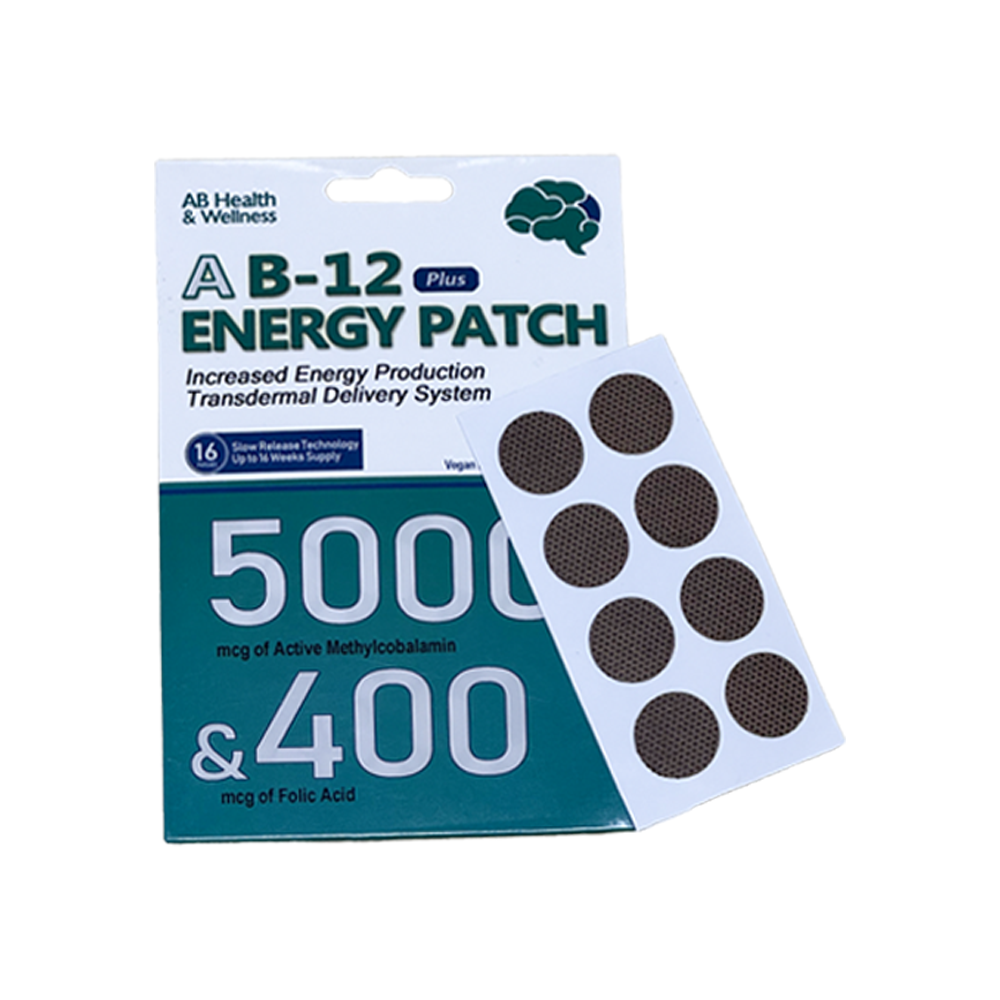
Choosing the right mouth tape gentle adhesive requires careful consideration of material composition, adhesive strength, and skin compatibility factors. People with sensitive skin face unique challenges when selecting mouth taping products, as they need solutions that provide secure overnight hold without causing irritation, redness, or allergic reactions. The key lies in understanding how different adhesive formulations interact with delicate facial skin while maintaining the effectiveness needed for consistent mouth breathing prevention.
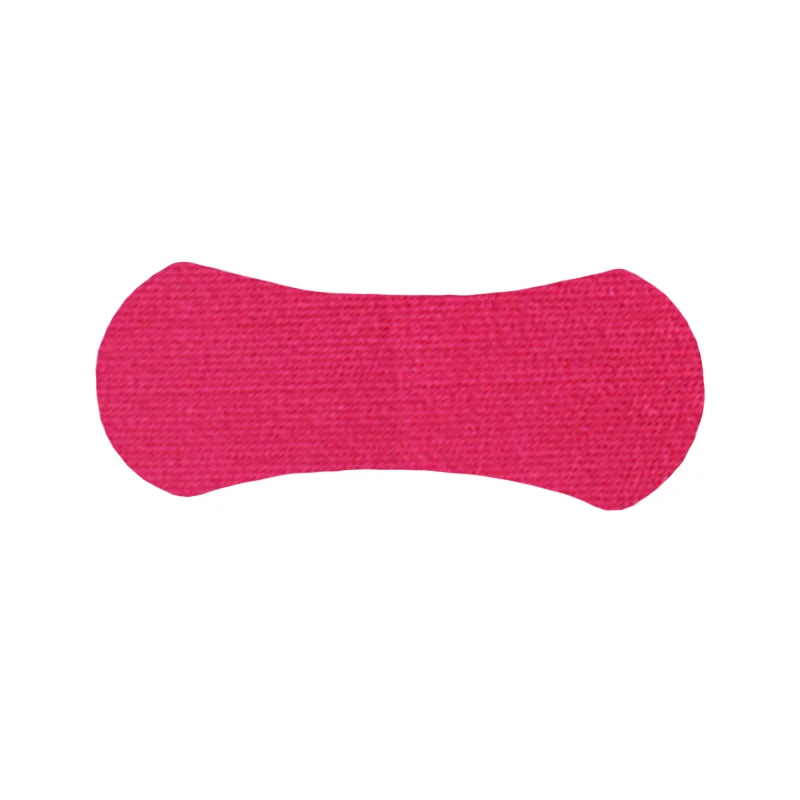
The selection process involves evaluating multiple characteristics including adhesive base materials, breathability features, removal ease, and long-term skin tolerance. Modern mouth tape gentle adhesive formulations utilize medical-grade materials designed specifically for facial application, incorporating hypoallergenic properties that minimize adverse reactions. Understanding these technical aspects empowers consumers to make informed decisions that prioritize both sleep quality improvement and skin health protection throughout extended nightly use.
Understanding Adhesive Technology for Sensitive Skin Applications
Medical-Grade Adhesive Formulations
Medical-grade adhesives used in quality mouth tape gentle adhesive products undergo rigorous testing for biocompatibility and skin tolerance. These formulations typically feature acrylic-based polymers that provide strong initial tack while maintaining gentle removal characteristics. The adhesive matrix incorporates plasticizers that allow flexibility and conformability to facial contours without creating pressure points that could irritate sensitive skin areas around the mouth.
Advanced adhesive technologies employ micro-structured surfaces that distribute holding force evenly across the tape surface. This distribution prevents concentrated stress points that often cause discomfort or skin damage during removal. The molecular structure of these adhesives allows for moisture vapor transmission, reducing the risk of maceration or bacterial growth beneath the tape during extended wear periods.
Silicone-based alternatives offer another approach for sensitive skin applications, providing repositionable properties and reduced trauma upon removal. These formulations maintain adhesive strength through mechanical interlocking rather than aggressive chemical bonding, making them particularly suitable for individuals with reactive skin conditions or those using retinoid medications that increase skin sensitivity.
Hypoallergenic Properties and Testing Standards
Hypoallergenic mouth tape gentle adhesive products undergo patch testing protocols to verify minimal allergenic potential. These tests typically involve application to healthy volunteers for extended periods under controlled conditions, monitoring for signs of irritation, sensitization, or allergic response. Products meeting hypoallergenic standards demonstrate consistently low reaction rates across diverse population groups.
The absence of common sensitizing agents such as latex, colophony, and certain preservatives characterizes truly hypoallergenic formulations. Manufacturing processes for these products maintain strict contamination controls to prevent cross-contact with allergenic substances. Quality manufacturers provide detailed ingredient disclosure, enabling consumers with known sensitivities to make informed product selections.
Clinical testing data for hypoallergenic products often includes dermatologist evaluations and independent laboratory verification of non-comedogenic properties. This comprehensive approach ensures that mouth tape gentle adhesive products suitable for sensitive skin meet rigorous safety standards while maintaining the performance characteristics necessary for effective mouth breathing prevention.
Evaluating Adhesive Strength and Security Features
Balanced Holding Power Requirements
Effective mouth tape gentle adhesive must achieve optimal balance between holding strength and gentle removal characteristics. The adhesive needs sufficient initial tack to resist displacement from normal sleep movements, facial muscle contractions, and moisture exposure from saliva or ambient humidity. However, excessive adhesive strength can cause skin trauma during removal or leave residue that requires harsh cleaning methods.
Measuring adhesive strength involves standardized testing protocols that evaluate peel strength, shear resistance, and tack properties under conditions simulating overnight wear. Quality products demonstrate consistent performance across temperature and humidity variations typical of bedroom environments. The adhesive should maintain secure attachment throughout sleep cycles while allowing controlled removal without sudden force application.
Progressive adhesive technologies incorporate time-dependent bonding characteristics that provide gentle initial application with gradually increasing hold strength. This approach accommodates the natural adjustment period as facial muscles relax during sleep onset while ensuring secure attachment during deeper sleep phases when mouth opening tendencies are strongest.
Moisture Resistance and Durability
Moisture resistance represents a critical performance factor for mouth tape gentle adhesive products, as oral environment humidity and potential saliva exposure can compromise adhesive integrity. Quality formulations maintain bonding strength despite moisture exposure while preventing adhesive degradation that could lead to skin irritation from chemical breakdown products.
Breathable adhesive systems incorporate moisture vapor transmission properties that allow skin respiration while blocking liquid moisture penetration. This selective permeability prevents adhesive softening from trapped moisture while maintaining skin comfort during extended wear. The adhesive matrix should resist swelling or chemical changes when exposed to oral fluids.
Durability testing for mouth tape gentle adhesive includes exposure to simulated saliva, temperature cycling, and mechanical stress conditions. Products demonstrating superior durability maintain consistent adhesive properties throughout the intended wear period without developing tackiness changes, edge lifting, or adhesive migration that could cause skin irritation.
Material Composition and Breathability Considerations
Backing Material Selection
The backing material of mouth tape gentle adhesive products significantly influences overall skin compatibility and comfort during extended wear. Medical-grade paper backings offer excellent breathability and conformability while providing sufficient strength to maintain tape integrity during application and removal. These materials typically feature controlled porosity that allows air circulation while preventing adhesive strike-through.
Fabric-based backings incorporate textile fibers that enhance flexibility and reduce the sensation of artificial material against skin. These backings often demonstrate superior stretch characteristics that accommodate facial movements without creating lifting forces at tape edges. The textile structure provides natural moisture wicking properties that help maintain skin dryness beneath the tape.
Synthetic polymer backings offer enhanced moisture resistance and dimensional stability but require careful engineering to maintain breathability. Advanced polymer formulations incorporate micro-perforation or inherent porosity to balance barrier properties with vapor transmission requirements. The selection of backing material should align with individual skin sensitivity levels and environmental conditions during sleep.
Breathability and Air Permeability
Air permeability in mouth tape gentle adhesive systems prevents moisture accumulation that can lead to skin maceration and bacterial growth. Proper breathability allows natural skin respiration while maintaining the tape's primary function of preventing mouth opening during sleep. The balance between breathability and adhesive performance requires careful material engineering.
Quantitative measurements of air permeability help consumers compare different mouth tape gentle adhesive products objectively. Higher air permeability generally correlates with improved skin comfort but may require stronger adhesive formulations to maintain secure attachment. The optimal permeability level depends on individual skin characteristics and sleep environment factors.
Moisture vapor transmission rates provide additional insight into breathability performance under realistic use conditions. Products with balanced vapor transmission prevent both excessive moisture retention and rapid dehydration of skin beneath the tape. This balance contributes to maintaining healthy skin conditions during regular mouth taping practice.
Application Techniques and Removal Best Practices
Proper Application Methods
Correct application technique maximizes the effectiveness of mouth tape gentle adhesive while minimizing skin irritation risks. The application area should be clean and dry, free from lotions, oils, or residue that could interfere with adhesive bonding. Gentle cleansing with mild soap and thorough drying prepares the skin surface for optimal tape adhesion.
Positioning the tape requires attention to lip anatomy and natural mouth contours to ensure comfortable wear without restricting emergency mouth breathing if needed. The tape should cover the lip junction adequately while avoiding excessive tension that could cause discomfort or skin stretching. Smooth application from center to edges eliminates air bubbles that could compromise adhesive contact.
Temperature considerations during application affect initial adhesive performance, as body temperature helps activate adhesive bonding mechanisms. Allowing brief contact time before sleep onset enables the adhesive to achieve optimal grip strength while accommodating natural facial muscle movements. Proper application technique contributes significantly to overnight comfort and morning removal ease.
Safe Removal Procedures
Safe removal of mouth tape gentle adhesive requires controlled technique to prevent skin trauma or adhesive residue retention. Gradual peeling at a low angle relative to skin surface reduces mechanical stress on facial skin. The removal process should proceed slowly, allowing adhesive to release gradually rather than forcing sudden detachment that could damage delicate skin areas.
Moisture application during removal can help soften adhesive bonds and facilitate easier tape detachment. Warm water or specialized adhesive removers designed for medical applications provide effective assistance when standard removal proves difficult. These products dissolve adhesive bonds chemically rather than requiring excessive mechanical force.
Post-removal skin care involves gentle cleansing to remove any adhesive residue and assessment for signs of irritation. Mild moisturizing can help restore skin barrier function after adhesive exposure. Regular monitoring of skin condition helps identify any sensitivity development that might require product modification or temporary discontinuation of mouth taping practice.
FAQ
What ingredients should I avoid in mouth tape if I have sensitive skin?
Avoid mouth tape gentle adhesive products containing latex, strong solvents, colophony, formaldehyde-releasing preservatives, and aggressive acrylates. These ingredients commonly trigger allergic reactions or contact dermatitis in sensitive individuals. Look for products specifically labeled as hypoallergenic with medical-grade adhesives that have undergone biocompatibility testing.
How can I test if a mouth tape will irritate my skin before regular use?
Perform a patch test by applying a small piece of the mouth tape gentle adhesive to a discreet area of facial skin, such as behind the ear or on the inner wrist, for 24-48 hours. Monitor for redness, itching, swelling, or other signs of irritation. This preliminary testing helps identify potential sensitivity before applying the tape to the mouth area for extended periods.
What should I do if mouth tape causes skin irritation despite choosing a gentle formula?
Discontinue use immediately if irritation occurs and cleanse the area gently with mild soap and water. Apply a cold compress to reduce inflammation and consider using a gentle, fragrance-free moisturizer to restore skin barrier function. If irritation persists or worsens, consult a dermatologist for professional evaluation and alternative recommendations for your specific skin sensitivity.
How often should I replace mouth tape to maintain optimal adhesive performance and hygiene?
Replace mouth tape gentle adhesive products after each use to maintain hygiene and ensure optimal adhesive performance. Single-use design prevents bacterial accumulation and maintains consistent holding strength. Attempting to reuse mouth tape can compromise adhesive effectiveness and increase infection risk, particularly important for individuals with sensitive skin who may be more susceptible to bacterial complications.
Table of Contents
- Understanding Adhesive Technology for Sensitive Skin Applications
- Evaluating Adhesive Strength and Security Features
- Material Composition and Breathability Considerations
- Application Techniques and Removal Best Practices
-
FAQ
- What ingredients should I avoid in mouth tape if I have sensitive skin?
- How can I test if a mouth tape will irritate my skin before regular use?
- What should I do if mouth tape causes skin irritation despite choosing a gentle formula?
- How often should I replace mouth tape to maintain optimal adhesive performance and hygiene?
