 EN

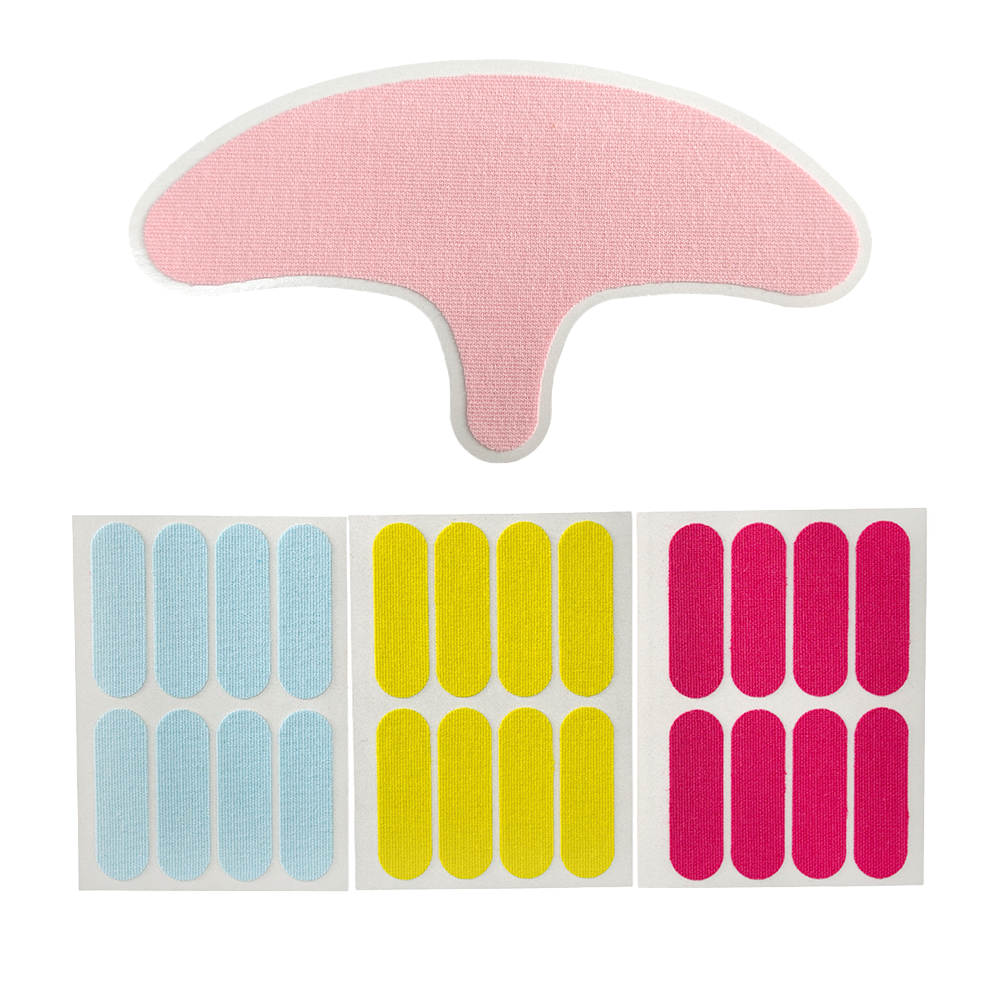
Sensitive skin requires careful consideration when choosing beauty and skincare products, especially adhesive solutions designed for facial lifting. Many people wonder whether face lift tape can be safely applied to delicate or reactive skin without causing irritation, redness, or damage. Understanding the composition, application method, and potential risks of instant facelift strips is essential for anyone with sensitive skin who wants to explore non-surgical face taping options.

The good news is that many modern facial lift adhesive patches are specifically engineered with sensitive skin in mind. Advances in adhesive technology and material science have produced products that offer effective lifting benefits without compromising skin health. By learning how to choose the right product, prepare your skin, and apply it correctly, individuals with sensitive skin can enjoy the temporary lifting effects of instant facelift strips while minimizing the risk of adverse reactions.
Understanding Face Lift Tape Composition for Sensitive Skin
Material Selection and Hypoallergenic Formulations
Quality face lift tape products designed for sensitive skin typically use breathable cotton, medical-grade adhesives, and hypoallergenic materials. These non-surgical face taping solutions avoid harsh chemicals, latex, or synthetic polymers that commonly trigger irritation. The fabric base allows your skin to breathe while the gentle adhesive maintains the lifting effect without suffocating the epidermis. Look for products certified as dermatologist-tested or specifically labeled for sensitive skin use.
Facial lift adhesive patches should be free from fragrance, parabens, and other known irritants. The adhesive itself plays a critical role in safety—water-based or acrylic-based adhesives are gentler than solvent-based alternatives. Instant facelift strips that use flexible, elastic materials conform better to facial contours and create less tension on delicate skin areas like the temples and cheeks. Understanding what your product contains allows you to make an informed decision before application.
pH Balance and Skin Compatibility
Sensitive skin thrives when products maintain a pH level close to the skin's natural range of 4.5 to 5.5. Face lift tape that matches this pH range reduces the risk of disrupting the skin barrier and causing inflammation. Some facial lift adhesive patches incorporate soothing ingredients like aloe vera or chamomile to further protect sensitive skin. These formulations not only hold the skin in place but also provide mild anti-inflammatory benefits during wear.
Safety Considerations and Risk Mitigation Strategies
Patch Testing and Gradual Introduction
Before committing to full-face non-surgical face taping, always conduct a patch test on a small, inconspicuous area of skin. Apply a small piece of instant facelift strips to your neck or behind your ear for 30 minutes to several hours. Monitor for itching, redness, swelling, or any discomfort. If no reaction occurs, you can safely proceed to gentle facial application. This precaution is especially important for individuals with a history of adhesive sensitivity or known skin conditions like eczema or rosacea.
Start with shorter wear periods—15 to 20 minutes on your first application—before extending to the recommended duration. This gradual introduction allows your skin to acclimate to the facial lift adhesive patches without overwhelming your skin barrier. If you experience any irritation, remove the face lift tape immediately and rinse the area with lukewarm water. Discontinue use if reactions persist or worsen over multiple applications.
Application Techniques for Sensitive Skin
Proper application significantly reduces the risk of adverse reactions when using instant facelift strips on sensitive skin. Ensure your face is clean, dry, and free from makeup, oils, or lotions before application. These substances can interfere with adhesive performance and trap irritants against your skin. Gently apply the non-surgical face taping product using smooth, downward motions—avoid pulling or stretching aggressively, which can cause micro-tears in delicate skin.
When removing face lift tape, do not yank or peel it off rapidly. Instead, use a gentle, slow motion and consider applying a light oil or makeup remover to soften the adhesive first. This reduces skin stress and minimizes the likelihood of redness or temporary sensitivity post-removal. Limit use to the recommended duration, typically 8 to 12 hours maximum, to prevent prolonged pressure and irritation on sensitive areas.
Maximizing Safety While Achieving Desired Results
Skin Preparation and Post-Application Care
Preparing sensitive skin before using face lift tape creates an ideal foundation for safe wear. Apply a light hydrating serum or primer specifically designed for sensitive skin 10 to 15 minutes before application. This protective layer buffers the skin barrier while still allowing the facial lift adhesive patches to adhere effectively. After removal, cleanse gently with a mild, fragrance-free cleanser and apply a soothing moisturizer to restore hydration and calm any temporary irritation.
Avoid applying instant facelift strips over areas with active breakouts, cuts, wounds, or severe inflammation. The non-surgical face taping mechanism works best on healthy skin and can complicate existing skin problems. If you use topical medications for sensitive skin conditions, consult your dermatologist before introducing face lift tape into your routine. Timing matters too—apply tape in the morning or a few hours before bed to minimize cumulative stress on your skin.
Frequency and Long-Term Safety
Using facial lift adhesive patches occasionally—one to three times weekly—is generally safe for sensitive skin. Frequent daily use increases the risk of chronic irritation, sensitivity buildup, and disruption to your skin's natural barrier function. Rotating between different brands or formulations can reduce the likelihood of tolerance buildup or irritation patterns. Consider alternating face lift tape use with other non-invasive lifting methods to give your skin adequate recovery time.
Monitor your skin's response over several weeks of intermittent use. Healthy sensitive skin should show no cumulative irritation, increased redness, or persistent sensitivity. If you notice any negative changes, pause use for one to two weeks and reassess. Some individuals may find that high-quality, dermatologist-approved instant facelift strips work well with their sensitive skin long-term, while others may need to limit use to special occasions.
FAQ
Can face lift tape cause permanent damage to sensitive skin?
When used correctly and on appropriate skin types, face lift tape does not cause permanent damage to sensitive skin. The adhesive and materials are designed to be removable and temporary. Permanent damage would result only from extreme misuse, such as leaving the tape on for many consecutive hours, applying it over severe wounds, or using extremely aggressive removal techniques. Following product instructions and patch testing beforehand virtually eliminates the risk of lasting harm.
What ingredients should I avoid in instant facelift strips if I have sensitive skin?
Avoid instant facelift strips containing latex, strong fragrances, parabens, sulfates, and synthetic dyes if you have sensitive skin. Also steer clear of products with solvent-based adhesives or those not labeled as hypoallergenic. Non-surgical face taping products made with medical-grade cotton, water-based adhesives, and minimal additives are your safest choice. Always read the ingredient list and opt for brands with transparent labeling and dermatologist testing credentials.
How long can I wear facial lift adhesive patches safely on sensitive skin?
Most face lift tape and facial lift adhesive patches are designed for 8 to 12 hours of continuous wear on sensitive skin. Extended wear beyond this timeframe increases the risk of irritation, skin maceration, and compromised barrier function. Remove the non-surgical face taping product before bed to allow your skin to breathe and recover overnight. If you notice any discomfort before the recommended wear time expires, remove it immediately and give your skin at least 12 hours of recovery time before reapplying.
