
 EN
EN

Modern sleep science has revealed that the quality of our rest depends on multiple factors, from environmental conditions to breathing patterns. Among the various sleep aids available today, sleep strips have emerged as a preferred solution for millions seeking better rest without the complications of traditional sleep medications or bulky devices. These simple yet effective tools offer a natural approach to improving sleep quality by promoting proper breathing mechanics throughout the night.
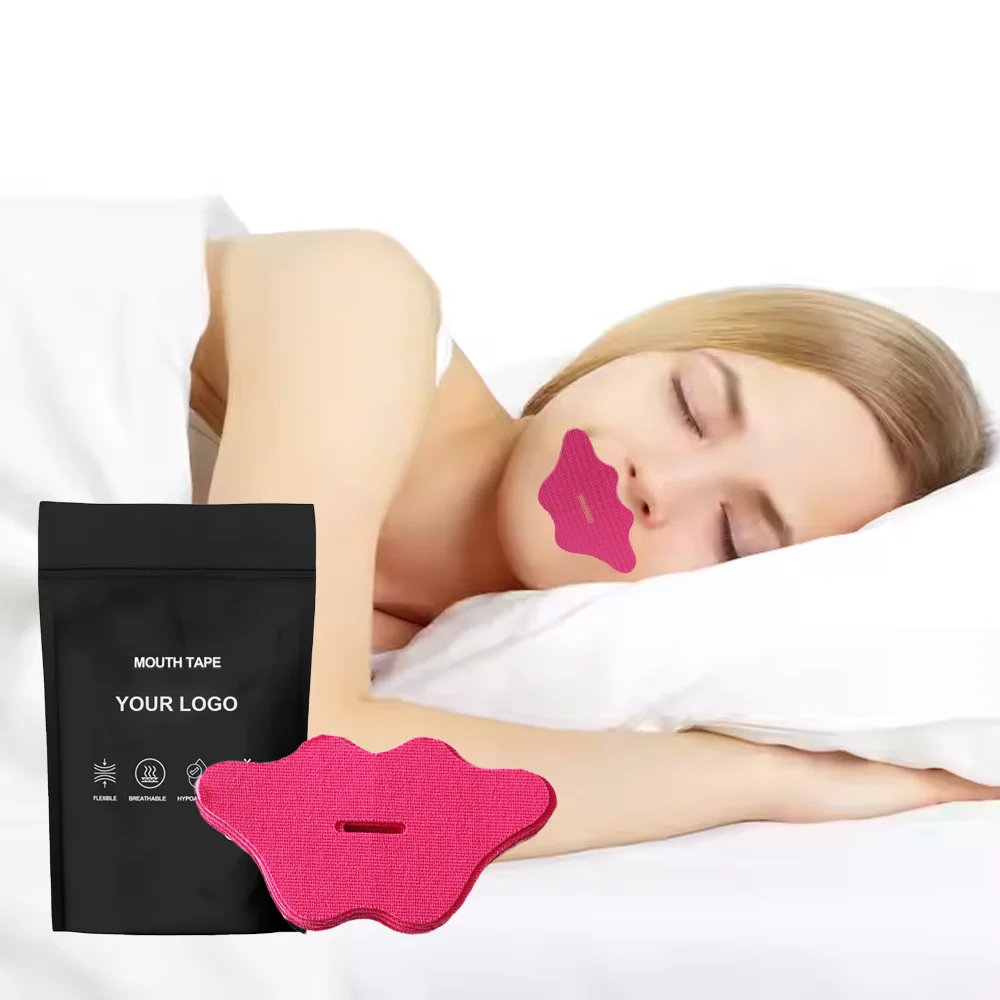
The growing preference for sleep strips over conventional sleep aids stems from their unique ability to address fundamental breathing issues that often contribute to poor sleep quality. Unlike sleeping pills or complex machines, these adhesive strips work by encouraging nasal breathing, which naturally promotes deeper, more restorative sleep cycles. This mechanism addresses the root cause of many sleep disturbances rather than merely masking symptoms with pharmaceutical interventions.
Healthcare professionals increasingly recommend sleep strips as a first-line intervention for individuals experiencing sleep quality issues related to mouth breathing or snoring. The scientific evidence supporting their effectiveness continues to grow, with studies demonstrating significant improvements in sleep efficiency and daytime alertness among users. This research-backed approach has contributed to their rising popularity among health-conscious consumers seeking evidence-based sleep solutions.
The Science Behind Sleep Strips and Better Rest
Nasal Breathing and Sleep Quality Connection
Nasal breathing during sleep plays a crucial role in maintaining optimal oxygen saturation and promoting deeper sleep phases. When we breathe through our nose, the air is naturally filtered, warmed, and humidified before reaching the lungs. This process not only improves oxygen delivery but also stimulates the production of nitric oxide, a compound that enhances blood circulation and supports cardiovascular health during rest.
Sleep strips work by gently encouraging the closure of the mouth, naturally redirecting airflow through the nasal passages. This redirection activates the parasympathetic nervous system more effectively, promoting the relaxation response necessary for deep, restorative sleep. The consistent nasal breathing pattern maintained by sleep strips helps regulate breathing rhythm, reducing the likelihood of sleep disruptions caused by irregular breathing patterns or brief awakenings.
Research has shown that individuals who maintain nasal breathing throughout the night experience longer periods of REM sleep, the critical phase associated with memory consolidation and cognitive restoration. The improved sleep architecture achieved through proper breathing mechanics often results in enhanced daytime performance, better mood regulation, and increased overall life satisfaction.
Physiological Benefits of Maintained Nasal Breathing
The physiological advantages of nasal breathing extend far beyond simple air intake. The nasal passages contain specialized receptors that help regulate breathing patterns and communicate with the brain's sleep centers. When sleep strips maintain nasal breathing, these receptors can function optimally, supporting the body's natural circadian rhythms and promoting more synchronized sleep-wake cycles.
Maintaining nasal breathing through sleep strips also helps preserve optimal humidity levels in the respiratory tract. Mouth breathing during sleep often leads to dry mouth, throat irritation, and increased susceptibility to respiratory infections. By encouraging nasal breathing, sleep strips help maintain the natural moisture balance in the airways, reducing these uncomfortable side effects and supporting overall respiratory health.
The consistent oxygen delivery achieved through nasal breathing supports optimal brain function during sleep. This improved oxygenation enhances the brain's ability to perform essential maintenance tasks during rest, including toxin removal, memory consolidation, and cellular repair processes. Users of sleep strips often report feeling more refreshed upon waking and experiencing improved cognitive clarity throughout the day.
Comparing Sleep Strips to Traditional Sleep Aids
Advantages Over Pharmaceutical Sleep Medications
Traditional sleep medications, while effective for short-term use, often come with significant drawbacks that make them unsuitable for long-term sleep management. Prescription sleep aids can cause dependency, tolerance buildup, and various side effects including morning grogginess, cognitive impairment, and disrupted natural sleep architecture. In contrast, sleep strips offer a non-pharmaceutical approach that works with the body's natural processes rather than chemically altering brain function.
The safety profile of sleep strips makes them suitable for nightly use without the concerns associated with medication tolerance or withdrawal symptoms. Users can incorporate them into their sleep routine without worrying about gradually increasing doses or experiencing rebound insomnia when discontinuing use. This sustainable approach to sleep improvement makes sleep strips particularly attractive to individuals seeking long-term solutions for better rest quality.
Furthermore, sleep strips do not interfere with natural sleep cycles in the way that many pharmaceutical options do. While sleeping medications often suppress REM sleep or alter the natural progression through sleep stages, sleep strips support the body's natural sleep architecture by optimizing breathing patterns without chemical intervention.
Benefits Compared to CPAP Machines and Other Devices
Continuous Positive Airway Pressure machines, while effective for treating severe sleep apnea, present numerous challenges that make them unsuitable for many individuals with mild to moderate sleep breathing issues. CPAP machines require significant setup time, regular maintenance, and can be disruptive to sleep partners due to noise and the physical presence of the device. Sleep strips offer a silent, unobtrusive alternative that requires no setup or maintenance while still addressing breathing-related sleep issues.
The portability of sleep strips makes them ideal for travelers and individuals with varying sleep schedules. Unlike bulky CPAP equipment that requires careful transportation and access to power sources, sleep strips can be easily packed and used anywhere without additional equipment or setup requirements. This convenience factor has made them increasingly popular among business travelers and individuals who frequently sleep away from home.
Cost considerations also favor sleep strips over traditional sleep devices. While CPAP machines and other sleep aids require significant upfront investment and ongoing maintenance costs, sleep strips offer an affordable solution that provides consistent benefits without the financial burden of expensive equipment or replacement parts.
User Experience and Practical Benefits
Comfort and Ease of Use
The simplicity of sleep strips represents one of their most compelling advantages over alternative sleep aids. Application takes mere seconds and requires no special training or adjustment period that many other sleep interventions demand. Users simply apply the strip before bedtime and remove it upon waking, making it easily integrated into existing bedtime routines without disrupting established sleep hygiene practices.
Modern sleep strips are designed with user comfort in mind, featuring skin-friendly adhesives that provide secure hold without causing irritation or discomfort upon removal. The materials used are typically hypoallergenic and breathable, allowing for comfortable wear throughout the night. Many users report that they quickly forget they are wearing the strips, indicating excellent comfort levels that do not interfere with sleep quality.
The non-invasive nature of sleep strips makes them suitable for individuals who may be uncomfortable with more intrusive sleep aids or devices. There are no masks to wear, no equipment to manage, and no complex procedures to follow. This simplicity removes barriers to consistent use and helps ensure that users can maintain their sleep improvement routine over the long term.
Immediate and Long-term Results
Many users of sleep strips report noticeable improvements in sleep quality from the very first night of use. The immediate benefits often include reduced snoring, fewer nighttime awakenings, and feeling more refreshed upon waking. These rapid results provide positive reinforcement that encourages continued use and helps establish sleep strips as a valuable component of healthy sleep habits.
Long-term users frequently experience cumulative benefits that extend beyond improved sleep quality. Regular use of sleep strips can help retrain breathing patterns, gradually improving nasal breathing even when the strips are not in use. This training effect can lead to sustained improvements in sleep quality and overall respiratory health over time.
The consistency of results with sleep strips provides users with confidence in their sleep routine. Unlike some sleep aids that may work sporadically or lose effectiveness over time, sleep strips maintain their benefits with regular use, providing predictable support for better sleep night after night.
Economic and Lifestyle Considerations
Cost-Effectiveness Analysis
When evaluating the long-term costs of various sleep improvement strategies, sleep strips demonstrate exceptional value compared to alternative solutions. The monthly cost of using sleep strips consistently is typically less than a single visit to a sleep specialist or a month's supply of prescription sleep medications. This affordability makes quality sleep improvement accessible to a broader range of individuals regardless of their healthcare budget or insurance coverage.
The absence of additional costs associated with sleep strips further enhances their economic appeal. Unlike CPAP machines that require ongoing expenses for replacement parts, cleaning supplies, and regular maintenance, sleep strips have no hidden costs or additional requirements beyond the initial purchase. This straightforward pricing structure allows users to budget effectively for their sleep improvement needs without unexpected expenses.
Considering the potential healthcare savings from improved sleep quality, sleep strips represent a wise investment in long-term health. Better sleep quality can reduce the risk of various health conditions associated with poor sleep, potentially saving significant healthcare costs over time. The prevention-focused approach of sleep strips aligns with modern healthcare trends emphasizing proactive wellness management.
Integration with Modern Lifestyles
The discrete nature of sleep strips makes them compatible with various living situations and lifestyle preferences. Unlike noisy CPAP machines that may disturb sleep partners or roommates, sleep strips provide silent operation that maintains bedroom tranquility. This consideration is particularly important for couples where one partner's sleep aid choice can significantly impact the other's rest quality.
For individuals with busy schedules who prioritize efficiency, sleep strips offer maximum benefit with minimal time investment. There are no complex setup procedures, no equipment to clean or maintain, and no need for regular appointments or adjustments. This efficiency makes sleep strips particularly appealing to professionals and parents who have limited time for elaborate sleep improvement routines.
The environmental impact of sleep strips is also favorable compared to electronic sleep aids that consume energy and require eventual disposal of electronic components. The minimal packaging and biodegradable materials used in many sleep strips align with environmentally conscious lifestyle choices without compromising effectiveness or convenience.
FAQ
Are sleep strips safe for nightly use?
Yes, sleep strips are designed for safe nightly use and are made from skin-friendly, hypoallergenic materials. Unlike pharmaceutical sleep aids that can cause dependency or tolerance issues, sleep strips work mechanically to encourage proper breathing without introducing chemicals into your system. Most users can safely use sleep strips every night without adverse effects, though individuals with specific skin sensitivities should test the product before regular use.
How quickly can I expect to see results from using sleep strips?
Many users notice improvements in sleep quality from the first night of using sleep strips, particularly if mouth breathing or snoring has been disrupting their rest. Common immediate benefits include reduced snoring, fewer nighttime awakenings, and feeling more refreshed in the morning. Long-term benefits typically develop over several weeks of consistent use as breathing patterns improve and sleep quality becomes more consistent.
Can sleep strips replace CPAP therapy for sleep apnea?
Sleep strips are not intended to replace CPAP therapy for diagnosed sleep apnea and should not be used as a substitute for prescribed medical treatments. However, they may be beneficial for individuals with mild breathing issues or those who snore due to mouth breathing. Anyone with diagnosed sleep apnea should consult with their healthcare provider before making changes to their prescribed treatment plan, though sleep strips may potentially be used as a complementary aid alongside other treatments.
What makes sleep strips more convenient than other sleep aids?
Sleep strips offer unmatched convenience through their simple application process, portability, and lack of maintenance requirements. Unlike CPAP machines or other sleep devices that require setup, cleaning, and maintenance, sleep strips are applied in seconds and disposed of after use. They travel easily without additional equipment, work silently without disturbing sleep partners, and require no power source or special storage conditions, making them ideal for home use or travel.
