 EN
EN
سوال اینکه آیا بلوکهای بینی را میتوان در صورت نگهداری مناسب روی سطحی تمیز دوباره استفاده کرد، سوالی است که اغلب در میان کاربرانی که به دنبال حداکثر کردن ارزش و کاهش ضایعات هستند، مطرح میشود. پاسخ ساده این است که نوارهای بینی بهصورت یکبارمصرف طراحی و تولید شدهاند. محصولات با این حال، درک دلایل فنی پشت این مشخصه طراحی برای تصمیمگیری آگاهانه در مورد محصولات مربوط به سلامت تنفسی ضروری است. فناوری چسبندگی، سلامت ساختاری مواد و ملاحظات بهداشتی که عملکرد نوارهای بینی را کنترل میکنند، همگی نشاندهندهی این هستند که استفادهی تکباره کاربرد ایمنترین و مؤثرترین روش است، صرفنظر از شرایط نگهداری یا تمیزی سطح.
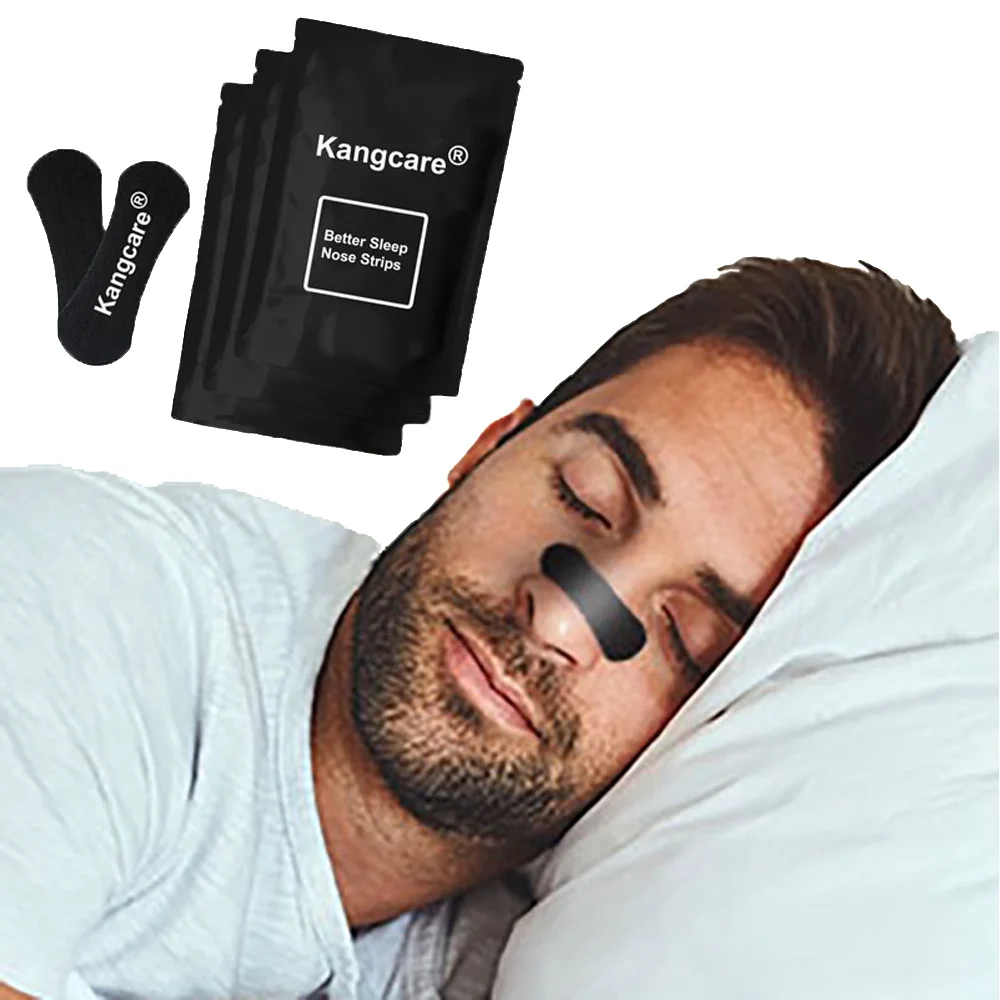
مهندسی پشت نوارهای بینی شامل فرمولاسیونهای چسبهای پیشرفته و مواد ساختاری است که بهصورت هماهنگ عمل کرده و گشاد شدن قابل اعتماد بینی را در طول شب یا در حین فعالیتهای ورزشی فراهم میکنند. این اجزا پس از استفاده اولیه دچار تخریب قابل پیشبینی میشوند که بر نیروی مکانیکی بلندکننده و توانایی چسبندگی آنها — که عامل اثربخشی نوارهای بینی بهعنوان کمکهای تنفسی هستند — تأثیر میگذارد. هنگامی که کاربران سعی در ذخیرهسازی و استفاده مجدد از نوارهای بینی دارند، با محدودیتهای اساسی ناشی از علم مواد، خطرات آلودگی و تغییرات برگشتناپذیری که در طول اولین چرخهٔ کاربرد رخ میدهند، مواجه میشوند. این مقاله عوامل فنی، بهداشتی و عملی را بررسی میکند که تعیینکنندهٔ این موضوع هستند که چرا نوارهای بینی حتی در بهترین شرایط ذخیرهسازی نیز نمیتوانند ویژگیهای عملکردی مورد نظر خود را در طول تلاشهای استفاده مجدد حفظ کنند.
محدودیت فناوری چسب
عملکرد چسبهای پزشکی روی نوارهای بینی
چسبهای پزشکیکاربرد که در نوارهای بینی استفاده میشوند، بهطور خاص برای ایجاد پیوند اولیهای قوی با سطح پوست طراحی شدهاند، در عین حال نرم و ملایم هستند تا در هنگام جدا کردن باعث تحریک یا آسیب به پوست نشوند. این چسبهای حساس به فشار، بر تعامل مولکولی بین ترکیب چسب و روغنها، پروتئینها و رطوبت طبیعی موجود بر روی سطح پوست متکی هستند. هنگامی که نوارهای بینی برای اولین بار با ناحیه بینی تماس پیدا میکنند، چسب فرآیند پیوندزدنی را آغاز میکند که شامل نفوذ در ناهمواریهای میکروسکوپی پوست و تعامل شیمیایی با لایه لیپیدی پوست میشود. این مکانیسم پیوندزدن برای کاربرد تکباره بهینهسازی شده و حداکثر اثربخشی خود را در طی چند دقیقه اول تماس به دست میآورد.
استحکام چسبندگی نوارهای بینی پس از برداشتن بهطور چشمگیری کاهش مییابد، زیرا عوامل غیرقابلبازگشت متعددی در این فرآیند دخیل هستند. در هنگام اولین استفاده، لایه چسبان روی سلولهای پوستی، روغنها، ذرات گرد و غبار و رطوبت جمعآوری میشود که این امر ترکیب شیمیایی سطحی و خواص فیزیکی آن را اساساً تغییر میدهد. حتی اگر پس از برداشتن نوار بینی از نظر ظاهری تمیز به نظر برسد و روی سطحی که بهظاهر بیعیب و نقص است قرار گیرد، آلودگیهای میکروسکوپی قبلاً لایه چسبان را تضعیف کردهاند. پیوندهای مولکولی که در اولین استفاده تشکیل شدهاند، نمیتوانند بهطور کامل بازیابی شوند، زیرا بخشی از ماده چسبان به پوست منتقل شده و با مواد بیولوژیکی آلوده شده است که بدون فرآیندهای تخصصی پاکسازی — که خود موجب آسیب به یکپارچگی ساختاری نوار میشود — نمیتوان آنها را بهطور کامل حذف کرد.
الگوهای تخریب پس از استفاده اولیه
فرآیند تخریب بلافاصله پس از جدا کردن نوارهای بینی از سطح پوست آغاز میشود. ترکیب چسبدهنده شامل پلاستیککنندهها و عوامل چسبندگیبخش است که چسبندگی بهینه را در شرایط خاصی حفظ میکنند، اما قرار گرفتن در معرض هوا، نوسانات دما و تنشهای مکانیکی در هنگام جدا کردن، تغییرات شیمیایی ایجاد میکند که عملکرد چسبندگی را کاهش میدهد. تحقیقات انجامشده در زمینه فناوری چسبهای حساس به فشار نشان میدهد که چسبهای پزشکی بسته به مدت زمان استفاده و شرایط محیطی، بین چهل تا هفتاد درصد از استحکام چسبندگی خود را پس از یک چرخه استفاده تنها از دست میدهند. این کاهش استحکام صرفنظر از اینکه چگونه نوارهای بینی پس از جدا شدن با دقت بیشتری مورد بررسی یا ذخیرهسازی قرار گیرند، رخ میدهد.
ذخیرهسازی روی سطحی تمیز، تخریب ادامهدار ویژگیهای چسبندگی را جلوگیری نمیکند، زیرا تغییرات شیمیایی آغازشده در طول اولین استفاده، حتی زمانی که نوارهای بینی با پوست تماس ندارند نیز ادامه مییابند. لایه چسب در معرض هوا اکسید میشود، رطوبت موجود در محیط را جذب میکند و مواد نرمکننده درون ماتریس چسب جابهجا میشوند. این فرآیندها در سطح مولکولی رخ میدهند و برای کاربران قابل مشاهده نیستند؛ بنابراین تصور غلطی ایجاد میشود که نوارهای بینی بازاستفادهشده و روی سطوح تمیز ذخیرهشده، عملکرد اصلی خود را حفظ کردهاند. آزمونهای حرفهای انجامشده روی نوارهای بینی بازاستفادهشده بهطور مداوم کاهش مقادیر چسبندگی در برابر جداشدن (peel adhesion)، کاهش ویژگیهای چسبندگی اولیه (tack) و کاهش توانایی انطباق (conformability) را نسبت به نوارهای تازه و در بستهبندی درببسته نشان میدهند.
عوامل عملکرد ساختاری و مکانیکی
مکانیسم فنری و خستگی مواد
فراتر از ملاحظات چسبندگی، عملکرد مکانیکی بلوکهای بینی بر اساس یک مکانیزم فنری داخلی کار میکند که توسط نوارهای پلیمری انعطافپذیری ایجاد شدهاند که در ساختار نوار جاسازی شدهاند. این نوارها بهگونهای طراحی شدهاند که نیروهای بلندکنندهٔ خاصی تولید کنند که هنگام قرارگیری صحیح نوار روی بینی، مسیرهای بینی را بهآرامی باز میکنند. این عملکرد فنری در حین تولید تنظیم میشود تا در طول دورهٔ استفادهٔ پیشبینیشده — معمولاً بین هشت تا دوازده ساعت — نیروی خارجکنندهٔ ثابتی اعمال کند. هنگامی که نوارهای بینی پس از استفاده برداشته میشوند، عناصر فنری تحت کشش مداوم قرار گرفتهاند و با اشکال منحصربهفرد آناتومی بینی کاربر تطبیق یافتهاند.
خستگی ماده در نوارهای پلیمری پس از اولین چرخه استفاده رخ میدهد و توانایی آنها را برای ایجاد نیروی بلندکننده طراحیشده کاهش میدهد. تغییر شکل پلاستیکی که در طول استفاده طولانیمدت رخ میدهد، باعث میشود عناصر فنری پس از برداشتن بهطور کامل به پیکربندی اصلی خود بازنگردند. این تغییر دائمی، اثربخشی نوارهای بینی را در کاربردهای بعدی کاهش میدهد، زیرا نیروی خارجکششی واردشده به دیوارههای جانبی بینی کاهش یافته است. کاربرانی که سعی در استفاده مجدد از نوارهای بینی دارند، اغلب بهبود تنفس کمتری نسبت به نوارهای تازه گزارش میکنند که این امر نتیجه مستقیم این تخریب مکانیکی است. تغییرات ساختاری بهویژه در نوارهایی که در حین فعالیتهای بدنی یا خواب استفاده شدهاند، برجستهتر است؛ زیرا حرکت و تعریق، خستگی ماده را تسریع میکنند.
از دست رفتن حافظه شکل و انطباقپذیری
نوارهای بینی با کیفیت بالا از موادی ساخته شدهاند که دارای ویژگی حافظهی شکل هستند و امکان تنظیم دقیق آنها بر اساس آناتومی فردی بینی را فراهم میکنند، در عین حال عملکرد بلندکنندگی خود را حفظ مینمایند. این قابلیت انطباق برای راحتی و اثربخشی ضروری است، زیرا تماس مناسب بین نوار و پوست، هم چسبندگی محکم و هم توزیع بهینهی نیرو را تضمین میکند. در اولین بار استفاده، نوارهای بینی فرآیندی به نام « conditioning » (تنشدهی اولیه) را طی میکنند که در آن مواد به منحنیها و زوایای خاص بینی کاربر تطبیق یافته و خود را تنظیم میکنند. این تطبیق شامل خمشدن ریزساختار پلیمری و بازتوزیع تنشهای داخلی است که از طریق ذخیرهسازی ساده قابل بازگشت نیست.
وقتی کاربران سعی در استفاده مجدد از نوارهای بینی دارند، از دست رفتن حافظهی شکل بهطور فوری در هنگام استفاده آشکار میشود. این نوارها دیگر بهصورت هموار روی خطوط طبیعی بینی قرار نمیگیرند و ممکن است نقاط فشار یا شکافهایی ایجاد کنند که هم راحتی و هم عملکرد آنها را تحت تأثیر قرار میدهد. پیششرطسازی حاصل از کاربرد اولیه باعث میشود نوار حافظهای از موقعیت قبلی خود را حفظ کند که این موقعیت بهندرت با جایگاه دقیق مورد نیاز برای استفادههای بعدی منطبق است. این ناسازگاری شکلی منجر به تماس ناهموار چسب، کاهش اثربخشی بلندکنندگی و افزایش احتمال جداشدن زودهنگام نوار در طول استفاده میشود. حتی نگهداری روی سطوحی کاملاً صاف و تمیز نیز نمیتواند انطباق اولیهی نوارهای بینی را بازگرداند، زیرا تغییرات ساختاری درونی در سطح ماده دائمی هستند.
نگرانیهای مربوط به بهداشت و آلودگی
خطرات رشد باکتریها و قارچها
پیامدهای بهداشتی استفاده مجدد از نوارهای بینی بسیار فراتر از پاکی ظاهری آنهاست و خطرات قابل توجهی برای سلامت ایجاد میکند که از طریق نگهداری روی سطوح تمیز قابل کاهش نیست. در حین استفاده، این نوارها با میکروبیوم پوست در تماس مستقیم قرار میگیرند که شامل باکتریها، قارچها و سایر میکروارگانیسمهایی است که بهطور طبیعی در ناحیه بینی و پوست اطراف صورت زندگی میکنند. این میکروارگانیسمها به سطح چسبنده و خود ماده نوار منتقل شده و در شرایط مناسب قادر به بقایا و تکثیر هستند. محیط مرطوب و گرمی که در حین استفاده ایجاد میشود، شرایط ایدهآلی برای کلونیزاسیون میکروبی فراهم میکند که حتی پس از جدا کردن نوار نیز ادامه دارد.
نگهداری نوارهای بینی روی سطوح تمیز پس از استفاده، آلودگی میکروبی را از بین نمیبرد، زیرا موجودات میکروبی در لایه چسبناک و در بافت ریز نوار جاسازی شدهاند. باکتریهای رایج پوست مانند استافیلوکوکوس اپیدرمیدیس و گونههای کورینهباکتریوم میتوانند برای مدت طولانی روی سطوح چسبناک زنده بمانند و در صورت وجود رطوبت، رشد و تکثیر یابند. همچنین موجودات قارچی، بهویژه مخمرهایی مانند مالاسزیا که در نواحی چرب پوستی اطراف بینی شایع هستند، میتوانند روی نوارهای بینی استفادهشده مستقر شوند. استفاده مجدد از نوارهای آلوده روی ناحیه حساس بینی، امکان ایجاد عفونتهای پوستی، فولیکولیت و تشدید بیماریهای پوستی موجود مانند آکنه یا درماتیت را فراهم میکند.
آلودگی متقابل در حین نگهداری
حتی زمانی که کاربران تلاش میکنند نوارهای بینی را روی سطوحی که خود را پاک تصور میکنند، نگهداری کنند، همچنان خطر انتقال عفونت متقابل یک نگرانی جدی است که هرگونه فایدهٔ احتمالی از استفاده مجدد را باطل میسازد. سطوح خانگی از جمله میزهای آشپزخانه و حمام، میزهای کنار تخت و ظروف نگهداری، جمعیتهای متنوع میکروبی و آلایندههای محیطی را در خود جای دادهاند که میتوانند به سطح چسبندهٔ نوارهای نگهداریشده منتقل شوند. ذرات غبار، باکتریهای معلق در هوا، بقایای مواد شویندهٔ خانگی و آلرژنها همه منابع آلودگی محسوب میشوند که ایمنی نوارهای بینی استفادهشده مجدد را به خطر میاندازند. لایهٔ چسبنده که از اولین استفاده دچار تضعیف شده است، در طول دورهٔ نگهداری بهراحتی این آلایندهها را جذب میکند.
استانداردهای حرفهای کنترل عفونت در محیطهای مراقبت سلامت، محصولات چسبنده تکبارمصرف مانند نوارهای بینی را بهطور خاص بهعنوان محصولات غیرقابل استفاده مجدد طبقهبندی میکنند، زیرا دزینفکسیون مؤثر بدون از بین رفتن خود محصول امکانپذیر نیست. ماهیت متخلخل مواد چسب و لایه پشتی آن بدین معناست که روشهای تمیزکردن سطحی نمیتوانند بهطور قابل اعتمادی آلایندههای درونی را از بین ببرند. ضدعفونیکنندههای شیمیایی که برای کشتن میکروارگانیسمها قویتر باشند، همچنین اجزای چسب و پلیمری محصول را تخریب میکنند؛ در حالی که روشهای ملایمتر تمیزکردن، ارگانیسمهای زنده و باقیماندههای شیمیایی را باقی میگذارند. این ناسازگاری بنیادین بین ضدعفونی مؤثر و حفظ سلامت مواد، دلیل اصلی توصیه جهانی مقامات پزشکی برای عدم استفاده مجدد از نوارهای بینی — صرفنظر از شرایط نگهداری — است.
ملاحظات اقتصادی و عملی
تحلیل اثربخشی هزینهای تلاشهای استفاده مجدد
کاربرانی که در نظر دارند از نوارهای بینی دوباره استفاده کنند، اغلب از نظر هزینهها انگیزهدار هستند؛ اما تحلیل اقتصادی جامع نشان میدهد که تلاشها برای بازاستفاده، با در نظر گرفتن کاهش اثربخشی و خطرات سلامتی، ارزش اندکی دارند. عملکرد ضعیفشدهٔ نوارهای بینی بازاستفادهشده به این معناست که در هر بار استفاده، بهبود تنفس را بهمراتب کمتری نسبت به نوارهای تازه فراهم میکنند. کاربران ممکن است گشاد شدن جزئی بینی را تجربه کنند که تنها سود محدودی در کاهش خروپف یا بهبود عملکرد ورزشی ایجاد میکند و در واقع، هرگونه صرفهجویی مالی حاصل از بازاستفاده را بیاثر میسازد. سرمایهگذاری روی نوارهای بینی قصد دارد نتایج مشخصی در زمینه سلامت یا عملکرد ایجاد کند و نوارهای بازاستفادهشده نمیتوانند این نتایج را در سطحی تأمین کنند که حتی عدم وجود هزینهٔ مستقیم را نیز توجیه کند.
فراتر از کاهش عملکرد، خطرات سلامتی ناشی از استفاده مجدد از نوارهای بینی میتواند هزینههای پزشکی را به وجود آورد که بسیار بیشتر از هرگونه صرفهجویی حاصل از استفاده طولانیتر است. عفونتهای پوستی که نیازمند درمان با آنتیبیوتیک، واکنشهای آلرژیک ناشی از تجزیهشدن اجزای چسبنده و تشدید شرایط تنفسی به دلیل عدم اثربخشی در گشاد کردن بینی، همگی پیامدهای مالی احتمالی استفاده مجدد هستند. هزینهٔ یک نوبت مشاوره پزشکی معمولاً از قیمت تأمین چند ماههٔ نوارهای بینی تازه بیشتر است؛ بنابراین از دیدگاه کلی هزینه مالکیت، استفاده مجدد از نظر اقتصادی نامناسب است. رفتار مسئولانه مصرفکننده شامل این تشخیص است که هزینه واحد محصولات یکبارمصرف، انعکاسدهندهٔ طراحی بهینهشدهٔ آنها برای یک چرخه کاربردی است و افزایش مدت استفاده فراتر از پارامترهای طراحی، اقتصادی توهمی ایجاد میکند.
قابلیت اطمینان عملکردی و تجربه کاربر
تجربه کاربر با نوارهای بینی بازیافتشده بهطور مداوم پایینتر از تجربهای است که نوارهای تازه ارائه میدهند و این امر مزایای درمانی یا عملکردی را که انگیزه خرید اولیه بودهاند، زیر سؤال میبرد. کاربران گزارش دادهاند که نوارهای بازیافتشده در طول خواب جدا میشوند، در حین فعالیتهای ورزشی بهدرستی در جای خود ثابت نمیمانند و باعث التهاب پوست ناشی از تماس نامنظم چسب میشوند. این شکستهای عملکردی منجر به ناراحتی و احتمالاً رها کردن کامل استفاده از نوارهای بینی توسط کاربران میشود و در نتیجه آنها از مزایای واقعی این محصولات که در صورت استفاده مطابق طراحی ارائه میشوند، محروم میگردند. قابلیت اطمینان نوارهای بینی به کیفیت ساخت یکنواخت و اعمال صحیح آنها برای یکبار مصرف بستگی دارد؛ عواملی که از طریق پروتکلهای ذخیرهسازی و استفاده مجدد قابل حفظ نیستند.
ورزشکاران حرفهای و افراد مبتلا به اختلالات تنفسی مرتبط با خواب، برای بهینهسازی عملکرد و مدیریت سلامتی خود به نوارهای بینی متکی هستند که نیازمند نتایجی پایدار و قابل پیشبینی میباشند. برای این کاربران، عدم قابلیت اطمینان نوارهای بینی استفادهشده مجدداً، تنازلی غیرقابل قبول محسوب میشود که ممکن است بر نتایج رقابتها یا اثربخشی درمانی تأثیر بگذارد. دقت مهندسی بالایی که در تولید نوارهای بینی به کار میرود، اطمینان حاصل میکند که هر نوار ویژگیهای عملکردی مشخصی را در محدودههای تعیینشده ارائه دهد؛ اما این دقت پس از اولین استفاده از بین میرود. کاربرانی که به دنبال بهرهبرداری حداکثری از نوارهای بینی هستند، باید قابلیت اطمینان را بر صرفهجویی جزئی در هزینهها ارجح بدانند و بدانند که طراحی یکبارمصرف این نوارها منعکسکننده عملکرد بهینه است، نه فرسایش برنامهریزیشده.
توصیههای سازنده و مسئولیت محصول
هدف طراحی و الزامات برچسبگذاری
تولیدکنندگان نوارهای بینی این محصولات را بهطور خاص برای استفاده تکباره طراحی کردهاند و برچسبگذاری صریحی در این خصوص روی بستهبندی و اطلاعات محصول انجام دادهاند. این مشخصات طراحی بازتابی از تحقیقات گسترده در زمینه عملکرد مواد، پروفایل ایمنی و نتایج بهینه کاربر است که به رعایت الزامات نظارتی و استانداردهای کیفی منجر میشود. نهادهای نظارتی حوزه دستگاههای پزشکی و محصولات سلامت از تولیدکنندگان میخواهند دستورالعملهای واضحی برای استفاده ارائه دهند تا ایمنی مصرفکننده تضمین شود؛ و تعیین وضعیت «استفاده تکباره» برای نوارهای بینی نتیجه ارزیابی مبتنی بر شواهد از خطرات ناشی از استفاده مجدد است. انحراف از دستورالعملهای تولیدکننده با تلاش برای استفاده مجدد، تمام تضمینهای کیفی را باطل میکند و کاربران را خارج از محدوده عملکرد مورد نظر محصول قرار میدهد.
ملاحظات مربوط به مسئولیت محصول نیز توصیهشدهبودن استفادهی تکباره از نوارهای بینی را تشدید میکند، زیرا سازندگان نمیتوانند ایمنی یا اثربخشی این نوارها را برای کاربردهای فراتر از مورد پیشبینیشده تضمین نمایند. هنگامی که کاربران علیرغم برچسبگذاری واضح «استفادهی تکباره» تصمیم به استفادهی مجدد از نوارهای بینی میگیرند، مسئولیت شخصی خود را در قبال هرگونه پیامد منفی ناشی از کاهش عملکرد یا آلودگی پذیرا میشوند. چارچوبهای حقوقی و اخلاقی حاکم بر تولید محصولات، الزام استفاده از محصولات مطابق دستورالعملهای ارائهشده را برای مصرفکنندگان تعیین میکنند و انحراف از این دستورالعملها، پیامدهای ناشی از آن را خارج از حیطهی مسئولیت سازنده قرار میدهد. سرمایهگذاری صورتگرفته در توسعهی نوارهای بینی تکبارهای ایمن و مؤثر، نشاندهندهی تعهد سازنده به رفاه مصرفکننده است که با تلاش کاربران برای دور زدن مشخصات طراحی از طریق استفادهی مجدد، زیر سؤال رفته و تضعیف میشود.
استانداردهای تضمین کیفیت و استریلیته
فرآیندهای تولید نوارهای بینی شامل اقدامات کنترل کیفیت هستند که اطمینان حاصل میکنند هر نوار از نظر استحکام چسبندگی، نیروی فنری، یکپارچگی ماده و عدم وجود آلودگی، مطابق با مشخصات تعیینشده باشد. این نوارها در محیطهای محافظتی بستهبندی میشوند که استریل یا تمیز بودن آنها را از زمان تولید تا استفاده مصرفکننده حفظ میکنند؛ بستهبندی بهگونهای طراحی شده است که از تخریب محصول در طول ذخیرهسازی و توزیع جلوگیری کند. پس از خارجشدن یک نوار بینی از بستهبندی اصلی و استفاده از آن، دیگر هرگز نمیتواند به شرایط کنترلشدهای که در زمان تولید وجود داشته است بازگردد. تلاشهای کاربر برای نگهداری نوار (حتی روی سطوحی که با دقت تمیز شدهاند) نمیتوانند استریلیتی و حفاظت ارائهشده توسط بستهبندی اصلی — که بهطور خاص برای حفظ کیفیت محصول طراحی شده است — را تکرار کنند.
استانداردهای کیفیت اعمالشده بر روی نوارهای بینی، نیازمندیهای نظارتی مربوط به محصولاتی را منعکس میکنند که قرار است روی غشاهای مخاطی و پوست حساس صورت استفاده شوند. تأسیسات تولیدی تحت رویههای خوب تولید (GMP) فعالیت میکنند که شرایط محیطی، تأمین مواد اولیه و فرآیندهای تولید را کنترل میکنند تا اطمینان حاصل شود که محصولاتی با کیفیت ثابت و ایمن تولید میشوند. این کنترلها تنها تا لحظهٔ اولین استفاده از محصول ادامه دارند؛ پس از آن، محصول وظیفهٔ طراحیشدهاش را انجام داده و وارد مرحلهٔ پایان عمر میشود. تلاش برای افزایش عمر محصول از طریق ذخیرهسازی و استفادهٔ مجدد، متغیرهای غیرقابل کنترلی را به وجود میآورد که تضمینکنندههای کیفیت ایجادشده در فرآیند تولید را تضعیف میکنند. مصرفکنندگان بیشترین سود را از نوارهای بینی زمانی حاصل میکنند که آنها را مطابق طرح اولیه استفاده کنند و از سرمایهگذاریهای انجامشده در زمینهٔ مهندسی و کنترل کیفیت بهرهبرداری نمایند تا عملکرد و ایمنی بهینه تضمین شود.
سوالات متداول
آیا نگهداری نوارهای بینی در بستهبندی اصلی آنها پس از استفاده، اثربخشی آنها را حفظ میکند؟
خیر، بازگرداندن نوارهای بینی استفادهشده به بستهبندی اصلی، اثربخشی یا ایمنی آنها را بازیابی نمیکند. تخریب چسب، خستگی ماده و آلودگی میکروبی که در طول استفاده اولیه رخ میدهد، فرآیندهای برگشتناپذیری هستند که صرفنظر از روش نگهداری، ادامه مییابند. بستهبندی اصلی برای محافظت از نوارهای بینی استفادهنشده در برابر عوامل محیطی در طول توزیع و نگهداری قبل از استفاده اولیه طراحی شده است، اما نمیتواند تغییرات فیزیکی و شیمیایی ایجادشده در حین کاربرد را معکوس کند. علاوه بر این، قرار دادن نوارهای آلوده در بستهبندی اصلی میتواند باکتریها و قارچها را به محیط تمیز داخل بستهبندی منتقل کند و احتمالاً سایر نوارهای باقیمانده و استفادهنشده را نیز آلوده سازد.
آیا نوعی نوار بینی وجود دارد که بهطور خاص برای چندین بار استفاده طراحی شده باشد؟
در حال حاضر، تمامی نوارهای بینی موجود در بازار مصرفکننده بهصورت محصولات یکبارمصرف و دورریز طراحی و تولید میشوند و هیچ سازندهٔ اصلیای گزینههای قابل استفاده مجدد را ارائه نکرده است. طراحی اساسی نوارهای بینی که بر پایهٔ چسب حساس به فشار و عناصر فنری یکبارمصرف استوار است، با کاربردهای قابل استفاده مجدد ناسازگان است. برخی از کاربران نوارهای بینی را با دیلاتورهای بینی قابل استفاده مجدد ساختهشده از سیلیکون یا پلاستیک که در داخل سوراخهای بینی قرار میگیرند اشتباه میگیرند؛ این دو محصول متفاوت هستند، هرچند هر دو هدف مشابهی را دنبال میکنند. اگر کاربران به دنبال دیلاسیون خارجی بینی قابل استفاده مجدد هستند، باید گروههای محصولات جایگزینی را که بهطور خاص برای کاربردهای چندباره طراحی شدهاند، بررسی کنند و نه اینکه سعی در استفاده مجدد از نوارهای بینی یکبارمصرف داشته باشند.
کاربران پس از استفاده از نوارهای بینی چه اقدامی باید انجام دهند تا اطمینان حاصل شود که بهدرستی دورریز میشوند؟
نوارهای بینی استفادهشده باید بلافاصله پس از برداشتن در زبالههای خانگی دور ریخته شوند و اصول استاندارد بهداشتی مربوط به محصولات مراقبت شخصی رعایت گردد. چسب و لایههای زیرین این نوارها معمولاً به دلیل آلودگی با مواد بیولوژیکی و ساختار ترکیبی از چند ماده، قابل بازیافت نیستند. کاربران باید نوار را قبل از دور ریختن طوری تا بزنند که سطح چسبنده به سمت داخل قرار گیرد تا از تماس اتفاقی جلوگیری شده و حجم زباله به حداقل برسد. در محیطهای مراقبت سلامت یا برای افراد مبتلا به بیماریهای پوستی واگیردار، ممکن است دور ریختن نوارهای بینی استفادهشده مطابق با مقررات محلی به عنوان زباله پزشکی الزامی باشد. دور ریختن صحیح این نوارها از انتقال عرضی عفونت جلوگیری میکند، امکان استفاده مجدد از آنها را از بین میبرد و استانداردهای بهداشتی خانگی را حفظ مینماید.
آیا نگرانیهای زیستمحیطی توجیهکننده تلاش برای استفاده مجدد از نوارهای بینی هستند؟
اگرچه آگاهی زیستمحیطی قابل تقدیر است، اما تلاش برای استفاده مجدد از نوارهای بینی روشی معتبر برای پایداری محسوب نمیشود، زیرا این کار با خطرات سلامتی و کاهش عملکرد محصول همراه است. تأثیر زیستمحیطی نوارهای بینی یکبارمصرف بهدلیل اندازه کوچک آنها و استفاده متناوب (نه مداوم) از آنها نسبتاً جزئی است. مصرفکنندگانی که نگران تأثیر زیستمحیطی هستند، باید بر خرید نوارهای بینی از تولیدکنندگانی تمرکز کنند که از روشهای تولید پایدار استفاده میکنند، از مواد بستهبندی قابل بازیافت بهره میبرند و مواد اولیه را بهصورت مسئولانه تأمین میکنند. حمایت از شرکتهایی که در فرآیند تولید، مسئولیت زیستمحیطی را اولویت قرار میدهند، رویکردی مؤثرتر برای دستیابی به پایداری است تا اینکه سلامت شخصی را با استفاده مجدد از محصولاتی که در تضاد با مشخصات طراحی و توصیههای ایمنی است، به مخاطره بیندازیم.
فهرست مطالب
- محدودیت فناوری چسب
- عوامل عملکرد ساختاری و مکانیکی
- نگرانیهای مربوط به بهداشت و آلودگی
- ملاحظات اقتصادی و عملی
- توصیههای سازنده و مسئولیت محصول
-
سوالات متداول
- آیا نگهداری نوارهای بینی در بستهبندی اصلی آنها پس از استفاده، اثربخشی آنها را حفظ میکند؟
- آیا نوعی نوار بینی وجود دارد که بهطور خاص برای چندین بار استفاده طراحی شده باشد؟
- کاربران پس از استفاده از نوارهای بینی چه اقدامی باید انجام دهند تا اطمینان حاصل شود که بهدرستی دورریز میشوند؟
- آیا نگرانیهای زیستمحیطی توجیهکننده تلاش برای استفاده مجدد از نوارهای بینی هستند؟
