 EN
EN
उचित प्रतिस्थापन आवृत्ति को समझना नाक स्ट्रिप्स आपकी त्वचा के स्वास्थ्य और उनकी प्रभावशीलता दोनों को बनाए रखने के लिए आवश्यक है। कई उपयोगकर्ता नाक के स्ट्रिप्स के लिए उचित उपयोग दिशानिर्देशों का पालन नहीं करने पर त्वचा के लाल होने, जलन या असहजता का अनुभव करते हैं। यह व्यापक गाइड त्वचा से संबंधित जटिलताओं को रोकने और साथ ही उनके श्वसन लाभ को अधिकतम करने के लिए आपको नाक के स्ट्रिप्स को कितनी बार प्रतिस्थापित करना चाहिए—इस महत्वपूर्ण प्रश्न का समाधान प्रस्तुत करती है। चाहे आप नाक के स्ट्रिप्स का उपयोग खर्राटे के उपचार के लिए करते हों, खेलीय प्रदर्शन में सुधार के लिए या नींद के दौरान श्वसन में सुधार के लिए, सही प्रतिस्थापन दिनचर्या की स्थापना आपकी त्वचा को अनावश्यक तनाव से बचाती है और आपके उपयोग की अवधि के दौरान चिपकने के प्रदर्शन को अनुकूल बनाए रखती है।
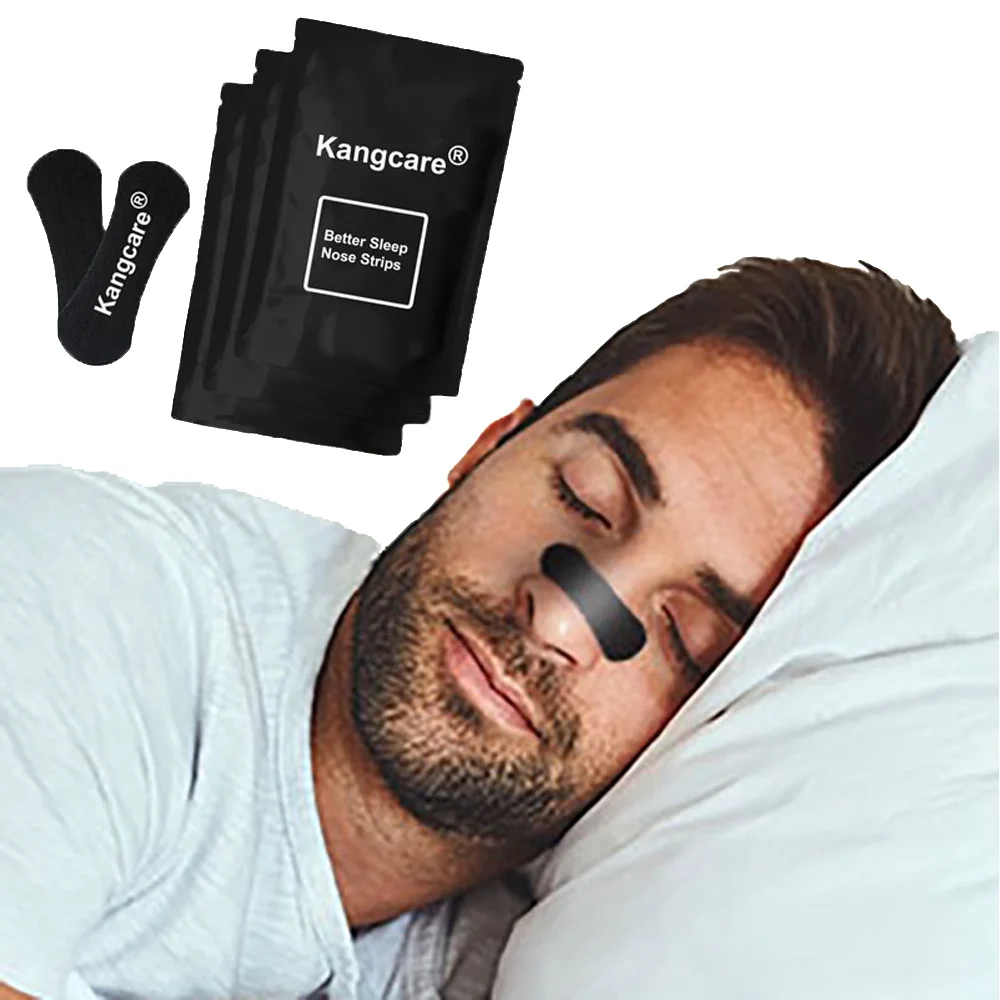
नाक के स्ट्रिप्स की प्रतिस्थापन आवृत्ति और त्वचा के स्वास्थ्य के बीच संबंध में कई कारक शामिल हैं, जिनमें चिपकने वाले पदार्थ की रचना, व्यक्तिगत त्वचा की संवेदनशीलता, पर्यावरणीय परिस्थितियाँ और उचित आवेदन तकनीकें। नाक के स्ट्रिप्स को बहुत लंबे समय तक पहनने, गलत तरीके से पुनः उपयोग करने, या पर्याप्त त्वचा तैयारी के बिना लगाने पर आमतौर पर त्वचा पर लालिमा उत्पन्न होती है। त्वचा की जलन के पीछे के तंत्रों को समझकर और सबूत-आधारित प्रतिस्थापन अंतराल का पालन करके, उपयोगकर्ता नाक के स्ट्रिप्स के श्वसन लाभों का आनंद ले सकते हैं, बिना अपनी त्वचा की अखंडता को समाप्त किए। इस लेख में इष्टतम प्रतिस्थापन अंतरालों की जांच की गई है, अत्यधिक उपयोग के चेतावनी संकेतों की पहचान की गई है, और नाक के स्ट्रिप्स के नियमित उपयोग के दौरान स्वस्थ त्वचा बनाए रखने के लिए व्यावहारिक रणनीतियां प्रदान की गई हैं।
नाक के स्ट्रिप्स के एकल-उपयोग डिज़ाइन को समझना
नाक के स्ट्रिप्स को एकल-बार के लिए क्यों डिज़ाइन किया गया है
प्रतिस्थापन आवृत्ति का मूलभूत उत्तर सरल है: नाक के स्ट्रिप्स को एकल-उपयोग के लिए डिज़ाइन किया गया है उत्पाद जिसे प्रत्येक उपयोग सत्र के बाद, आमतौर पर 8 से 12 घंटे की अवधि के बाद, बदल देना चाहिए। निर्माताओं ने नाक के स्ट्रिप्स को चिकित्सा-श्रेणी के चिपकने वाले पदार्थों के साथ इंजीनियर किया है, जो विशेष रूप से एकल उपयोग चक्र के लिए सटीक रूप से कैलिब्रेट किए गए हैं, ताकि प्रारंभिक उपयोग के दौरान अधिकतम चिपकने की शक्ति सुनिश्चित की जा सके, जबकि त्वचा के लिए सुरक्षित गुणों को भी बनाए रखा जा सके। चिपकने वाली परत में सावधानीपूर्वक संतुलित घटक होते हैं, जो नाक के मार्गों को उठाने के लिए पर्याप्त चिपकने की शक्ति प्रदान करते हैं, बिना हटाते समय त्वचा को क्षति पहुँचाए, लेकिन यह सूक्ष्म संतुलन पहले उपयोग के बाद कमजोर हो जाता है। नाक के स्ट्रिप्स का पुनः उपयोग करने का प्रयास उनकी कार्यात्मक प्रभावशीलता को कम करता है और त्वचा के जलन के जोखिम को काफी बढ़ा देता है।
जब आप रात भर या खेलकूद की गतिविधियों के दौरान नाक के स्ट्रिप्स का उपयोग करते हैं, तो चिपकने वाला पदार्थ प्राकृतिक त्वचा के तेलों, पसीने, वातावरणीय आर्द्रता और कोशिकीय मलबे के साथ प्रतिक्रिया करता है। यह प्रतिक्रिया चिपकने वाले पदार्थ के रासायनिक गुणों को मौलिक रूप से बदल देती है, जिससे इसकी प्रभावी रूप से बंधन करने की क्षमता कम हो जाती है, जबकि एक साथ ही इसे बाद के उपयोग के दौरान त्वचा पर अधिक तीव्र रूप से खींचने की संभावना भी बढ़ जाती है। ताज़ा नाक के स्ट्रिप्स में चिपकने वाले पदार्थ का एकसमान वितरण होता है, जो संपर्क क्षेत्र में दबाव को समान रूप से फैलाने के लिए डिज़ाइन किया गया है, जिससे किसी विशेष त्वचा क्षेत्र पर तनाव को न्यूनतम कर दिया जाता है। एक बार उपयोग करने के बाद, यह एकसमानता समाप्त हो जाती है, क्योंकि कुछ क्षेत्रों में चिपकने वाले पदार्थ की शक्ति कम हो जाती है, जबकि अन्य क्षेत्रों में यह अत्यधिक चिपचिपा हो सकता है, जिससे असमान दबाव बिंदु बन जाते हैं जो सीधे त्वचा की लालिमा और जलन का कारण बनते हैं।
चिपकने वाले पदार्थ का जीवनचक्र और त्वचा संपर्क गतिशीलता
नाक के स्ट्रिप्स में उपयोग किए जाने वाले चिकित्सा चिपकने वाले पदार्थों का उनकी निर्धारित 8 से 12 घंटे की पहनने की अवधि के दौरान एक विशिष्ट जीवन चक्र होता है। शुरुआत में, चिपकने वाला पदार्थ त्वचा की सबसे बाहरी परत, यानी स्ट्रैटम कॉर्नियम के साथ आणविक आकर्षण और सूक्ष्म त्वचा के बनावट के साथ यांत्रिक अंतर्लॉकिंग के माध्यम से एक सुरक्षित बंधन बनाता है। पहनने की अवधि के दौरान, शरीर की गर्मी चिपकने वाले पदार्थ के गुणों को सक्रिय करती है, जिससे वे अपने उत्थान कार्य को बनाए रखते हैं जबकि प्राकृतिक चेहरे की गतिविधियों को समायोजित करते हैं। नाक स्ट्रिप्स हालाँकि, यही गर्मी का संपर्क चिपकने वाले पदार्थ की संरचनात्मक अखंडता को कमजोर करना शुरू कर देता है, जिससे रासायनिक बंधन कमजोर हो जाते हैं और पदार्थ अपनी डिज़ाइन की गई लोच खो देता है।
लगभग 12 घंटे तक निरंतर पहनने के बाद, चिपकने वाला पदार्थ एक महत्वपूर्ण अवक्षय बिंदु तक पहुँच जाता है, जहाँ यह अब सुसंगत उत्थान बल प्रदान नहीं करता है, लेकिन विरोधाभासी रूप से कुछ त्वचा के क्षेत्रों पर और अधिक आक्रामक रूप से चिपक सकता है। यह घटना इसलिए घटित होती है क्योंकि अवक्षित चिपकने वाला पदार्थ अपने उद्दिष्ट मुक्ति गुणों को खो देता है, जिसका अर्थ है कि इसे हटाना त्वचा की सतह के लिए अधिक आघातजनक हो जाता है। इसके अतिरिक्त, लंबे समय तक पहने जाने के दौरान नाक के स्ट्रिप्स के नीचे नमी का जमा होना एक ऐसा वातावरण बना देता है जहाँ जीवाणु और मृत त्वचा कोशिकाएँ तेज़ी से बढ़ती हैं, जिससे संक्रमण के जोखिम और त्वचा लाल होने के रूप में प्रकट होने वाली भड़काऊ प्रतिक्रियाओं में वृद्धि होती है। प्रत्येक एकल उपयोग के बाद नाक के स्ट्रिप्स को बदलने से इन अवक्षय-संबंधित जटिलताओं को रोका जा सकता है और यह सुनिश्चित किया जा सकता है कि प्रत्येक उपयोग में चिपकने वाले पदार्थ के इष्टतम प्रदर्शन के समय अंतराल का लाभ उठाया जाए।
तुरंत प्रतिस्थापन की आवश्यकता को दर्शाने वाले लक्षणों को पहचानना
अत्यधिक उपयोग के दृश्य और स्पर्श संबंधी संकेत
मानक एकल-उपयोग सिफारिश के अतिरिक्त, कुछ चेतावनी संकेत यह इंगित करते हैं कि नाक के स्ट्रिप्स को तुरंत हटा देना चाहिए, भले ही पूरी रात की नींद या खेल के सत्र को पूरा करने से पहले ही। नाक के स्ट्रिप्स के नीचे या उनके किनारों के आसपास त्वचा पर दृश्यमान लालिमा का प्रकट होना यह संकेत देता है कि चिपकने वाला पदार्थ अत्यधिक घर्षण उत्पन्न कर रहा है या आपकी त्वचा लंबे समय तक संपर्क में रहने के प्रति नकारात्मक प्रतिक्रिया दे रही है। यदि आप उपयोग के दौरान नाक के स्ट्रिप्स के किनारों को उठते या मुड़ते हुए देखते हैं, तो यह चिपकने वाले पदार्थ के विफल होने का संकेत है, जो न सिर्फ श्वसन के लाभ को कम करता है, बल्कि त्वचा को चिढ़ाने वाले अनियमित दबाव बिंदुओं का भी निर्माण करता है। इसी तरह, यदि नाक के स्ट्रिप्स का उपयोग करते समय वे असहज रूप से कसे हुए महसूस हों या जलन की अनुभूति हो, तो ये स्पर्श संवेदी संकेत तुरंत हटाने और नए स्ट्रिप्स लगाने से पहले एक विराम अवधि लेने की आवश्यकता को दर्शाते हैं।
नमी का जमाव एक अन्य महत्वपूर्ण प्रतिस्थापन ट्रिगर प्रस्तुत करता है। जब अत्यधिक पसीना, आर्द्रता या नाक की नमी के कारण नाक के स्ट्रिप्स के नीचे दृश्यमान गीलापन होता है, तो चिपकने वाला वातावरण क्षतिग्रस्त हो जाता है, जिससे त्वचा के मैकेरेशन (नरम होने) और बैक्टीरियल वृद्धि के लिए अनुकूल परिस्थितियाँ उत्पन्न हो जाती हैं। जो नाक के स्ट्रिप्स उपयोग के दौरान फिसलते हैं, स्थिति बदलते हैं या अपनी संरचनात्मक दृढ़ता खो देते हैं, वे अपने कार्यात्मक जीवनकाल को पार कर चुके होते हैं और उन्हें मजबूत करने या समायोजित करने के बजाय प्रतिस्थापित करना चाहिए। उपयोगकर्ताओं को एलर्जिक प्रतिक्रिया के लक्छनों—जैसे खुजली, उभरे हुए दाने या लगाव के तुरंत आसपास के क्षेत्र से परे फैलती लालिमा—की भी निगरानी करनी चाहिए; इन सभी स्थितियों में स्ट्रिप को तुरंत हटाना आवश्यक है और संभवतः वैकल्पिक चिपकने वाले रसायन वाले एक अलग नाक के स्ट्रिप फॉर्मूलेशन की आवश्यकता हो सकती है।
त्वचा सहनशीलता में व्यक्तिगत भिन्नता को समझना
जबकि एकल-उपयोग प्रतिस्थापन सार्वभौमिक मानक है, तो व्यक्तिगत त्वचा की विशेषताएँ यह निर्धारित करती हैं कि आप लगातार दिनों में नाक के स्ट्रिप्स का सुरक्षित रूप से कितनी बार उपयोग कर सकते हैं। संवेदनशील त्वचा, एक्जिमा, रोज़ासिया या अन्य त्वचा संबंधी स्थितियों वाले लोगों को नाक के स्ट्रिप्स के आवेदन के बीच पुनर्स्थापना अवधि को शामिल करने की आवश्यकता हो सकती है, जिससे प्रभावी रूप से उनके उपयोग की आवृत्ति को वैकल्पिक रातों तक कम कर दिया जाता है या साप्ताहिक आधार पर कई स्ट्रिप-मुक्त रातों को शामिल किया जाता है। यह दृष्टिकोण त्वचा को चिपकने वाले पदार्थ के संपर्क और निकालने के कारण हुए सूक्ष्म आघात की मरम्मत और पुनर्जनन करने की अनुमति देता है, जिससे समय के साथ स्थायी लालिमा या बढ़ी हुई संवेदनशीलता के रूप में प्रकट होने वाले संचयी क्षति को रोका जा सकता है।
इसके विपरीत, जिन व्यक्तियों की त्वचा प्रतिरोधी है और जिनके पास मजबूत बैरियर कार्य है, वे रात्रि में नाक के स्ट्रिप्स के नियमित उपयोग को संलग्न लालिमा के बिना सहन कर सकते हैं, बशर्ते कि वे प्रत्येक उपयोग के बाद स्ट्रिप्स को नियमित रूप से बदलते रहें और उचित आवेदन प्रोटोकॉल का पालन करें। हालाँकि, यहाँ तक कि टिकाऊ त्वचा वाले उपयोगकर्ताओं को भी त्वचा के बनावट में सूक्ष्म परिवर्तनों, बढ़ी हुई संवेदनशीलता या धीरे-धीरे विकसित हो रही लालिमा के प्रति सतर्क रहना चाहिए, जो यह संकेत देती है कि उनकी प्रतिस्थापन अवधि को समायोजित करने की आवश्यकता है। आयु संबंधित त्वचा परिवर्तन भी सहनशीलता को प्रभावित करते हैं, क्योंकि परिपक्व त्वचा में आमतौर पर लचीलापन कम हो जाता है और भरने की प्रक्रिया धीमी हो जाती है, जिससे अधिक सावधानीपूर्ण प्रतिस्थापन अवधि या अतिरिक्त त्वचा सुरक्षा उपायों की आवश्यकता हो सकती है। अपनी व्यक्तिगत प्रतिक्रिया पैटर्न की निगरानी करना और उसके अनुसार प्रतिस्थापन आवृत्ति को समायोजित करना, त्वचा के दीर्घकालिक स्वास्थ्य को सुनिश्चित करते हुए नाक के स्ट्रिप्स द्वारा प्रदान किए जाने वाले श्वसन लाभों को बनाए रखने में सहायता करता है।
त्वचा पर तनाव को कम करने के लिए उचित आवेदन और निकालने की तकनीकों को लागू करना
त्वचा की अखंडता की रक्षा करने वाले तैयारी प्रोटोकॉल
प्रतिस्थापन आवृत्ति से संबंधित प्रश्न अनुप्रयोग की विधि से घनिष्ठ रूप से जुड़ा हुआ है, क्योंकि उचित तकनीकों के उपयोग से त्वचा पर दबाव कम होता है और लालिमा के विकास के बिना नाक के स्ट्रिप्स का नियमित उपयोग संभव हो जाता है। नए नाक के स्ट्रिप्स लगाने से पहले, तेल, मेकअप और वातावरणीय अशुद्धियों को हटाने के लिए नाक के पुल (नासिका सेतु) के क्षेत्र को हल्के, पीएच-संतुलित साफ़ करने वाले उत्पाद से ध्यानपूर्वक साफ़ करें। यह सफ़ाई कदम चिपकने वाली सतह के लिए आदर्श संपर्क सुनिश्चित करता है, साथ ही पहनने की अवधि के दौरान त्वचा को उत्तेजित करने वाले फँसे हुए अशुद्धियों को भी रोकता है। क्षेत्र को पूरी तरह से सुखा लें, क्योंकि नमी चिपकने वाली सतह के बंधन को बाधित करती है और नाक के स्ट्रिप्स को स्थान से विस्थापित होने के लिए प्रेरित कर सकती है, जिससे घर्षण उत्पन्न होता है जो लालिमा के कारण बनता है।
गर्म शावर, चेहरे की भाप या तीव्र व्यायाम के तुरंत बाद नाक के स्ट्रिप्स लगाने से बचें, जब त्वचा के छिद्र फैले होते हैं और रक्त प्रवाह बढ़ा हुआ होता है। ये स्थितियाँ त्वचा को चिपकने वाले पदार्थ के कारण होने वाली जलन के प्रति अधिक संवेदनशील बना देती हैं और भड़काऊ प्रतिक्रियाओं की संभावना को बढ़ा देती हैं। इसके बजाय, लगाने से पहले कम से कम 15 मिनट तक त्वचा के तापमान को सामान्य होने दें। कुछ उपयोगकर्ताओं को नाक के स्ट्रिप्स के ठीक आसपास के क्षेत्रों पर एक पतली परत त्वचा बैरियर क्रीम लगाने से लाभ होता है, जो केंद्रीय चिपकने वाले संपर्क को प्रभावित किए बिना एक सुरक्षात्मक बफर क्षेत्र बनाती है। यह तकनीक विशेष रूप से उन व्यक्तियों के लिए उपयोगी सिद्ध होती है जिनकी त्वचा स्वाभाविक रूप से संवेदनशील होती है या जो लंबे समय तक रात में नाक के स्ट्रिप्स का उपयोग करते हैं।
त्वचा के स्वास्थ्य को बनाए रखने वाली रणनीतिक हटाने की विधियाँ
नाक के स्ट्रिप से जुड़ी त्वचा की लालिमा के सबसे आम कारणों में से एक अनुचित निकालने की तकनीक है, जिससे निकालने की प्रक्रिया भी प्रतिस्थापन की आवृत्ति के समान महत्वपूर्ण हो जाती है। कभी भी नाक के स्ट्रिप को शुष्क अवस्था में या तेज़ खींचने की गति से न उतारें, क्योंकि इससे त्वचा की सतह को चोट पहुँचती है और चिपकने वाले पदार्थ के साथ-साथ स्वस्थ त्वचा कोशिकाएँ भी हट जाती हैं। इसके बजाय, गुनगुने पानी से नाक के स्ट्रिप को पूरी तरह से गीला कर लें, ताकि तरल पदार्थ 30 से 60 सेकंड तक चिपकने वाले पदार्थ में प्रवेश कर सके और उसे नरम कर सके, फिर निकालने का प्रयास करें। गीले स्ट्रिप को हल्के से मालिश करके चिपकने वाले पदार्थ के बंधन को और ढीला करें, फिर धीरे-धीरे किनारों से बीच की ओर छीलें, जबकि दूसरे हाथ से त्वचा को सहारा देकर अत्यधिक खिंचाव को रोका जा सके।
विशेष रूप से जमकर चिपके हुए चिपचिपे अवशेषों के लिए, चिकित्सा उद्देश्यों के लिए डिज़ाइन किए गए तेल-आधारित सफाईकर्ता या विशिष्ट चिपचिपाहट हटाने वाले उत्पाद की थोड़ी मात्रा लगाएँ, जो कठोर रगड़े बिना शेष चिपचिपाहट को घोल देता है। चिपचिपाहट हटाने के बाद, क्षेत्र को पुनः हल्के सफाईकर्ता से साफ़ करें, फिर त्वचा की बाधा के पुनर्स्थापन का समर्थन करने के लिए एक शामक, फ्रैग्रेंस-मुक्त मॉइश्चराइज़र लगाएँ। यह चिपचिपाहट हटाने के बाद की देखभाल की प्रक्रिया विशेष रूप से महत्वपूर्ण साबित होती है जब नाक के स्ट्रिप्स का लगातार कई रातों तक उपयोग किया जाता है, क्योंकि यह आवेदनों के बीच आवश्यक जलीयता प्रदान करता है और भरण-पूर्ति को बढ़ावा देता है। जो उपयोगकर्ता इन हटाने की प्रोटोकॉल का लगातार पालन करते हैं, वे आमतौर पर त्वचा की लालिमा में काफी कमी का अनुभव करते हैं और संवेदनशीलता के मुद्दों के बिना लंबे समय तक नाक के स्ट्रिप्स का उपयोग जारी रख सकते हैं, जिनके कारण अन्यथा विस्तारित विराम या उपचार की आवश्यकता होती।
दीर्घकालिक त्वचा स्वास्थ्य के लिए उपयोग के पैटर्न को अनुकूलित करना
नियमित उपयोगकर्ताओं के लिए स्थायी प्रतिस्थापन अनुसूचियाँ बनाना
उन व्यक्तियों के लिए जो रात्रि में खर्राटे लेने या सांस लेने में कठिनाई के लिए नाक के स्ट्रिप्स पर निर्भर हैं, एक स्थायी प्रतिस्थापन कार्यक्रम बनाने के लिए नियमित उपयोग और पर्याप्त त्वचा सुधार के अवसरों के बीच संतुलन स्थापित करना आवश्यक है। हालाँकि प्रत्येक नाक का स्ट्रिप एक बार के उपयोग के बाद प्रतिस्थापित किया जाना चाहिए, लेकिन उपयोग की आवृत्ति को स्वयं रणनीतिक योजना के अधीन किया जा सकता है। ऐसे कार्यक्रम को लागू करने पर विचार करें जिसमें आप लगातार पाँच रातों तक नाक के स्ट्रिप्स का उपयोग करें और फिर दो रातों के लिए स्ट्रिप-मुक्त अवधि के साथ त्वचा को चिपकने वाले पदार्थ के संपर्क के बिना पूर्ण पुनर्जनन चक्र से गुज़रने का अवसर प्रदान करें। यह पैटर्न सांस लेने के अधिकांश लाभों को बनाए रखता है, जबकि लगातार उत्तेजना को रोकने के लिए नियमित सुधार अंतराल प्रदान करता है।
प्रशिक्षण या प्रतियोगिता के दौरान नाक के स्ट्रिप्स का उपयोग करने वाले एथलीटों को इनके प्रतिस्थापन को अपने गतिविधि कार्यक्रम के साथ संरेखित करना चाहिए, और ताज़ा स्ट्रिप्स केवल वास्तविक प्रदर्शन के दौरान ही लगानी चाहिए, पूरे दिन भर उन्हें पहने रहने के बजाय। यह लक्षित दृष्टिकोण कुल त्वचा संपर्क को न्यूनतम करता है, जबकि साँस लेने की क्षमता में सुधार को ठीक उस समय प्रदान करता है जब आवश्यकता होती है। रात्रि के उपयोगकर्ताओं और खेलकूद संबंधित उपयोग दोनों के लिए, आवेदन की तारीखों, किसी भी लालिमा की घटनाओं और त्वचा की स्थिति के अवलोकनों को ट्रैक करने वाला एक उपयोग जर्नल रखना व्यक्तिगत सहनशीलता पैटर्न की पहचान करने और प्रतिस्थापन कार्यक्रम को इसके अनुसार अनुकूलित करने में सहायता करता है। यह डेटा-आधारित दृष्टिकोण उपयोगकर्ताओं को अति-उपयोग के प्रारंभिक चेतावनि संकेतों का पता लगाने और महत्वपूर्ण त्वचा समस्याओं के विकसित होने से पहले पूर्वावलोकनात्मक समायोजन करने की अनुमति देता है।
प्रतिस्थापन के समय के लिए मौसमी और पर्यावरणीय विचार
पर्यावरणीय कारक नाक के स्ट्रिप्स के त्वचा के साथ पारस्परिक क्रिया को महत्वपूर्ण रूप से प्रभावित करते हैं, जिससे कुछ मौसम या जलवायु परिस्थितियों के दौरान अनुसूची में समायोजन की आवश्यकता हो सकती है। सर्दियों के महीनों में, जब आंतरिक हीटिंग के कारण आर्द्रता कम हो जाती है और त्वचा की नमी बाधा कमजोर हो जाती है, तो उपयोगकर्ताओं को अपने प्रतिस्थापन अनुसूची में अतिरिक्त स्ट्रिप-मुक्त पुनर्स्थापना दिवस शामिल करने की आवश्यकता हो सकती है। ठंडी और शुष्क हवा त्वचा को जलन के प्रति अधिक संवेदनशील बना देती है, जिसका अर्थ है कि उन्हीं महीनों के दौरान जो प्रतिस्थापन आवृत्ति पूर्णतः कार्य करती है, वही विधि सर्दियों के दौरान लालिमा का कारण बन सकती है। इसके विपरीत, गर्मी और उच्च आर्द्रता के कारण शरीर से अधिक पसीना आने लगता है, जिससे नाक के स्ट्रिप्स की चिपकने वाली परत तेजी से क्षीण हो जाती है, जिसके कारण नमी से संबंधित त्वचा जटिलताओं को रोकने के लिए थोड़ी जल्दी हटाने की आवश्यकता हो सकती है।
जलवायु क्षेत्रों के बीच यात्रा करना सामान्य नाक के स्ट्रिप उपयोगकर्ताओं के लिए विशेष चुनौतियाँ प्रस्तुत करती है, क्योंकि अचानक पर्यावरणीय परिवर्तन त्वचा पर तनाव डालते हैं और अस्थायी रूप से संवेदनशीलता में वृद्धि कर सकते हैं। यात्रा के दौरान, नए जलवायु क्षेत्र में पहले कुछ रातों के लिए नाक के स्ट्रिप के उपयोग की आवृत्ति को कम करने पर विचार करें, ताकि आपकी त्वचा को अनुकूलित होने का समय मिल सके, और फिर सामान्य प्रतिस्थापन अनुसूची को फिर से शुरू किया जा सके। इसी तरह, मौसमी एलर्जी वाले उपयोगकर्ताओं को उच्च पराग काल के दौरान नाक की सूजन और त्वचा की संवेदनशीलता में वृद्धि का अनुभव हो सकता है, जिसके कारण अधिक सावधानीपूर्ण प्रतिस्थापन अनुसूची और अतिरिक्त पुनर्प्राप्ति अंतराल की आवश्यकता होती है। इन पर्यावरणीय प्रभावों को पहचानकर और उनके अनुसार प्रतिस्थापन पैटर्न को अनुकूलित करके, उपयोगकर्ता प्रभावी श्वसन सहायता बनाए रखते हैं जबकि त्वचा के लाल होने की घटनाओं में मौसमी वृद्धि को रोकते हैं।
मौजूदा त्वचा के लाल होने का समाधान और पुनर्प्राप्ति प्रोटोकॉल
जलन प्रबंधन के लिए तत्काल प्रतिक्रिया रणनीतियाँ
जब अनुशंसित प्रतिस्थापन कार्यक्रम का पालन करने के बावजूद त्वचा पर लालिमा विकसित हो जाती है, तो तुरंत हस्तक्षेप करने से इसके गंभीर त्वचा संबंधी समस्याओं में बदलने को रोका जा सकता है। नाक के स्ट्रिप के उपयोग को पूरी तरह से बंद कर दें, यदि स्ट्रिप हटाने के दो घंटे के भीतर लालिमा पूरी तरह से नहीं गायब होती है और यह लगातार बनी रहती है। प्रभावित क्षेत्रों पर सूजन को कम करने और उत्तेजित ऊतक को शामित करने के लिए दिन में कई बार 10 से 15 मिनट के लिए ठंडी संपीड़न (कॉम्प्रेस) लगाएं। त्वचा बाधा की मरम्मत का समर्थन करने के लिए सेरामाइड्स या हायलुरोनिक एसिड युक्त एक कोमल, महक-मुक्त नमीकारक का उपयोग करें, और इसे लालिमा पूरी तरह से गायब होने तक दिन में तीन से चार बार लगाएं।
पुनर्स्थापना के दौरान प्रभावित क्षेत्र पर रेटिनॉइड्स, अम्ल या सुगंधित सूत्रों सहित किसी भी संभावित रूप से उत्तेजक त्वचा देखभाल उत्पाद का उपयोग करने से बचें। यदि लालिमा 48 घंटे से अधिक समय तक बनी रहती है या इसके साथ दर्द, सूजन या टूटी हुई त्वचा हो, तो कृपया एक डर्मेटोलॉजिस्ट से सलाह लें ताकि वे आपकी पेशेवर मूल्यांकन और उपचार सिफारिशें प्रदान कर सकें। कुछ उपयोगकर्ताओं को चिकित्सकीय मार्गदर्शन के तहत अल्पकालिक उपयोग के लिए ओवर-द-काउंटर हाइड्रोकॉर्टिसोन क्रीम के लाभ हो सकते हैं, हालाँकि यह कभी भी आपकी त्वचा की सहनशीलता से परे नाक के स्ट्रिप्स के निरंतर उपयोग को संभव बनाने के लिए एक नियमित रणनीति नहीं बननी चाहिए। नाक के स्ट्रिप्स को फिर से शुरू करने से पहले पुनर्स्थापना अवधि तीव्रता के आधार पर भिन्न होती है—हल्की लालिमा के लिए दो से तीन दिन तक और अधिक गंभीर उत्तेजना के लिए एक से दो सप्ताह तक, जिससे चिपकने वाले पदार्थ के पुनः संपर्क से पहले पूर्ण भरण सुनिश्चित हो सके।
दीर्घकालिक त्वचा संवर्धन और रोकथाम की रणनीतियाँ
नियमित प्रशिक्षण प्रथाओं के माध्यम से त्वचा की सहनशीलता को मजबूत करना लालिमा के न्यूनतम जोखिम के साथ नाक के स्ट्रिप्स के अधिक स्थायी दीर्घकालिक उपयोग को सक्षम बनाता है। नाक के पुल के क्षेत्र की दैनिक स्नान करें, भले ही आप नाक के स्ट्रिप्स का उपयोग न कर रहे हों, ताकि त्वचा की सुरक्षा बाधा के कार्य और जलीय स्तर को अनुकूल रखा जा सके। नियासिनामाइड युक्त उत्पादों का उपयोग करने पर विचार करें, जो त्वचा की बाधाओं को मजबूत करते हैं और समय के साथ संवेदनशीलता को कम करते हैं, या स्क्वैलेन जैसे हल्के तेलों का उपयोग करें जो छिद्रों को अवरुद्ध किए बिना लिपिड परत की अखंडता का समर्थन करते हैं। साप्ताहिक रूप से एक या दो बार हल्के एंजाइमेटिक या हल्के शारीरिक एक्सफोलिएंट के साथ नियमित एक्सफोलिएशन से जमा मृत त्वचा कोशिकाओं और चिपकने वाले अवशेषों को हटाया जाता है, जिससे नए नाक के स्ट्रिप्स के चिपकने में बाधा और जलन के जोखिम में वृद्धि को रोका जा सकता है।
पोषण समर्थन नियमित नाक के स्ट्रिप उपयोगकर्ताओं के लिए त्वचा के स्वास्थ्य में एक कम सराहित भूमिका निभाता है। पर्याप्त जलयुक्तता, ओमेगा-3 फैटी अम्ल का सेवन, और विटामिन सी तथा ई कोलेजन उत्पादन और शोथरोधी प्रक्रियाओं का समर्थन करते हैं, जो त्वचा को चिपकने वाले पदार्थ के बार-बार संपर्क को सहन करने में सहायता प्रदान करते हैं। कुछ उपयोगकर्ताओं को त्वचा के स्वास्थ्य के लिए विशेष रूप से तैयार किए गए पूरक आहार लेने से लालिमा की प्रवृत्ति कम होने और एक आवेदन से दूसरे आवेदन के बीच पुनर्स्थापना की गति तेज़ होने का अनुभव होता है। इसके अतिरिक्त, ऐसी मौलिक स्थितियों—जैसे एलर्जी या साइनस शोथ—का प्रबंधन करना, जिनके कारण नाक के स्ट्रिप का उपयोग आवश्यक होता है, समय के साथ इसके उपयोग पर निर्भरता को कम करने की अनुमति दे सकता है, जिससे आपकी त्वचा के समग्र चिपकने वाले पदार्थ के संपर्क का कुल समय स्वाभाविक रूप से कम हो जाता है। त्वचा की दशा के लिए यह समग्र दृष्टिकोण, एकल-उपयोग प्रतिस्थापन प्रोटोकॉल के सख्ती से पालन के साथ संयुक्त होकर, त्वचा के स्वास्थ्य या उपस्थिति को समझौते के बिना लंबे समय तक नाक के स्ट्रिप के उपयोग के लिए आदर्श परिस्थितियाँ बनाता है।
अक्सर पूछे जाने वाले प्रश्न
क्या मैं धन की बचत के लिए एक ही नाक के स्ट्रिप को लगातार दो रातों तक पहन सकता हूँ?
नहीं, आपको नाक के स्ट्रिप्स का एक से अधिक रातों तक पुनः उपयोग नहीं करना चाहिए, क्योंकि वे विशेष रूप से एकल-उपयोग के लिए डिज़ाइन किए गए हैं और अधिकतम 8 से 12 घंटे तक चिपके रहने के लिए बनाए गए हैं। नाक के स्ट्रिप्स का पुनः उपयोग करने से आपकी त्वचा पर लालिमा होने का खतरा काफी बढ़ जाता है, क्योंकि पहले उपयोग के बाद चिपकने वाला पदार्थ (एडहेसिव) कमजोर हो जाता है और इसके संतुलित चिपकने और आसानी से छुड़ाने के गुण खो देता है। उपयोग किए गए स्ट्रिप्स पर बैक्टीरिया, मृत त्वचा कोशिकाएँ और शरीर के तेल जमा हो जाते हैं, जो आपकी त्वचा के संपर्क में एक अस्वच्छ वातावरण बना देते हैं। स्ट्रिप्स के पुनः उपयोग से होने वाली लागत बचत, त्वचा की जलन, त्वचा संबंधी जटिलताओं या गलत उपयोग के कारण विकसित होने वाले संक्रमणों के इलाज की संभावित लागत की तुलना में नगण्य है।
मैं नाक के स्ट्रिप्स को कितने घंटे तक पहनूँ, उसके बाद उन्हें बदल दूँ?
नाक के स्ट्रिप्स को प्रत्येक उपयोग के लिए अधिकतम 12 घंटे तक पहना जाना चाहिए, जिसमें अधिकांश उपयोगकर्ताओं को रात की नींद के दौरान 8 से 10 घंटे के बीच इष्टतम परिणाम मिलते हैं। इस अवधि के बाद, चिपकने वाला पदार्थ (एडहेसिव) कमजोर होने लगता है और अपने उत्थान (लिफ्टिंग) प्रभाव को खोने लगता है, साथ ही इसे सुरक्षित रूप से हटाना भी कठिन हो जाता है। यदि आपको 24 घंटे की अवधि में श्वास सहायता की आवश्यकता है, तो रात की नींद के बाद पहली स्ट्रिप को हटा लें, अपनी त्वचा को कई घंटों के लिए पुनर्स्थापना (रिकवरी) का समय दें, और यदि दिन के दौरान गतिविधियों के लिए आवश्यकता हो, तो एक नई स्ट्रिप लगाएं। किसी भी स्थिति में एकल स्ट्रिप के उपयोग को 12 घंटे से अधिक तक बढ़ाने का प्रयास न करें, क्योंकि लंबे समय तक एडहेसिव के संपर्क में रहने से त्वचा पर लालिमा (रेडनेस) के होने का खतरा काफी बढ़ जाता है और श्वास सहायता का लाभ कम होता जाता है।
यदि मैं नाक के स्ट्रिप्स हटाने के बाद हल्की लालिमा (रेडनेस) देखूं, तो मुझे क्या करना चाहिए?
नाक के स्ट्रिप को हटाने के तुरंत बाद हल्का, अस्थायी लालपन अपेक्षाकृत आम है और आमतौर पर आपकी त्वचा के चिपकने वाले पदार्थ के संपर्क से उबरने के बाद 30 मिनट से दो घंटे के भीतर गायब हो जाता है। उबरने की प्रक्रिया को तेज़ करने के लिए एक ठंडी संपीड़न (कूल कॉम्प्रेस) और हल्का नमीकारक (मॉइश्चराइज़र) लगाएं। हालाँकि, यदि लालपन दो घंटे से अधिक समय तक बना रहता है, उभरे हुए दाने के रूप में प्रकट होता है, या खुजली या जलन के साथ होता है, तो लक्षण पूरी तरह से गायब होने तक नाक के स्ट्रिप के उपयोग को बंद कर दें, जो आमतौर पर दो से तीन दिन का समय लेता है। उपयोग फिर से शुरू करने से पहले, सुनिश्चित करें कि आप सही हटाने की तकनीक का पालन कर रहे हैं—अर्थात् पर्याप्त नमी लगाकर धीरे-धीरे और हल्के ढंग से छीलना। यदि सही तकनीक के बावजूद भी बाद के उपयोग में लालपन दोहराया जाता है, तो संवेदनशील त्वचा के लिए बनाए गए नाक के स्ट्रिप पर स्विच करने पर विचार करें या वैकल्पिक श्वसन समाधानों के लिए एक डर्मेटोलॉजिस्ट से परामर्श लें।
क्या कुछ विशिष्ट त्वचा प्रकारों को नाक के स्ट्रिप के उपयोग के बीच अधिक बार विराम लेने की आवश्यकता होती है?
हाँ, संवेदनशील त्वचा, एक्जिमा, रोज़ासिया, पतली त्वचा या क्षीण त्वचा बैरियर वाले व्यक्तियों को आमतौर पर नाक के स्ट्रिप्स के अनुप्रयोग के बीच अधिक पुनर्वास समय की आवश्यकता होती है, जबकि दृढ़ त्वचा वाले व्यक्तियों के मुकाबले यह समय कम होता है। यदि आपको इन स्थितियों में से कोई भी है, तो कृपया नाक के स्ट्रिप्स का उपयोग लगातार न करके, बल्कि वैकल्पिक रातों पर करें, या प्रत्येक पाँच रातों के उपयोग के बाद दो स्ट्रिप-मुक्त पुनर्वास रातों का कार्यक्रम अपनाएँ। परिपक्व त्वचा, जिसमें स्वाभाविक रूप से कोलेजन कम होता है और भरने की प्रतिक्रिया धीमी होती है, भी अधिक सावधानीपूर्ण प्रतिस्थापन कार्यक्रम से लाभान्वित होती है। इसके अतिरिक्त, यदि आप प्रिस्क्रिप्शन रेटिनॉइड्स, रासायनिक एक्सफोलिएंट्स या अन्य सक्रिय त्वचा देखभाल के सामग्री का उपयोग कर रहे हैं जो त्वचा की संवेदनशीलता बढ़ाते हैं, तो आपको नाक के स्ट्रिप्स के अनुप्रयोग के बीच विस्तारित पुनर्वास अवधि की आवश्यकता हो सकती है, ताकि संचयी जलन और लालिमा के विकास को रोका जा सके।
विषय-सूची
- नाक के स्ट्रिप्स के एकल-उपयोग डिज़ाइन को समझना
- तुरंत प्रतिस्थापन की आवश्यकता को दर्शाने वाले लक्षणों को पहचानना
- त्वचा पर तनाव को कम करने के लिए उचित आवेदन और निकालने की तकनीकों को लागू करना
- दीर्घकालिक त्वचा स्वास्थ्य के लिए उपयोग के पैटर्न को अनुकूलित करना
- मौजूदा त्वचा के लाल होने का समाधान और पुनर्प्राप्ति प्रोटोकॉल
-
अक्सर पूछे जाने वाले प्रश्न
- क्या मैं धन की बचत के लिए एक ही नाक के स्ट्रिप को लगातार दो रातों तक पहन सकता हूँ?
- मैं नाक के स्ट्रिप्स को कितने घंटे तक पहनूँ, उसके बाद उन्हें बदल दूँ?
- यदि मैं नाक के स्ट्रिप्स हटाने के बाद हल्की लालिमा (रेडनेस) देखूं, तो मुझे क्या करना चाहिए?
- क्या कुछ विशिष्ट त्वचा प्रकारों को नाक के स्ट्रिप के उपयोग के बीच अधिक बार विराम लेने की आवश्यकता होती है?
