
 EN
EN
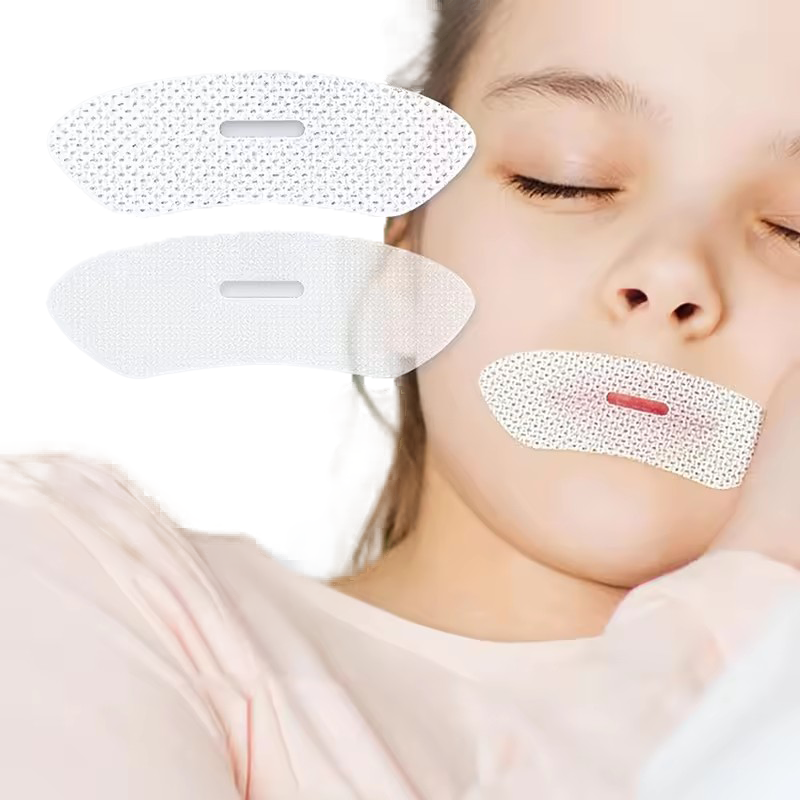
Ang pagkagambala sa tulog ay nakakaapekto sa milyon-milyong tao sa buong mundo, kung saan ang pag-ungal ay isa sa mga pangunahing sanhi ng mahinang kalidad ng pagtulog. Maraming indibidwal ang nahihirapan maghanap ng epektibong solusyon na tumatalakay hindi lamang sa ugat ng pag-ungal kundi pati na rin sa mas malawak na epekto nito sa kalusugan habang natutulog. Ang mga sleep strip ay naging isang di-invasibong at komportableng opsyon na nagpapalakas ng paghinga gamit ang ilong at tumutulong bawasan ang mga pag-vibrate na nagdudulot ng tunog ng pag-ungal. Ang mga pandikit na tiranteng ito ay gumagana sa pamamagitan ng maingat na paghikayat sa pagsara ng bibig habang natutulog, na natural na pinapadirecho muli ang paghinga sa pamamagitan ng mga butas ng ilong, at maaaring makapagdulot ng malaking pagpapabuti sa kabuuang kalidad ng pagtulog para sa gumagamit at sa kanilang kasama sa pagtulog.
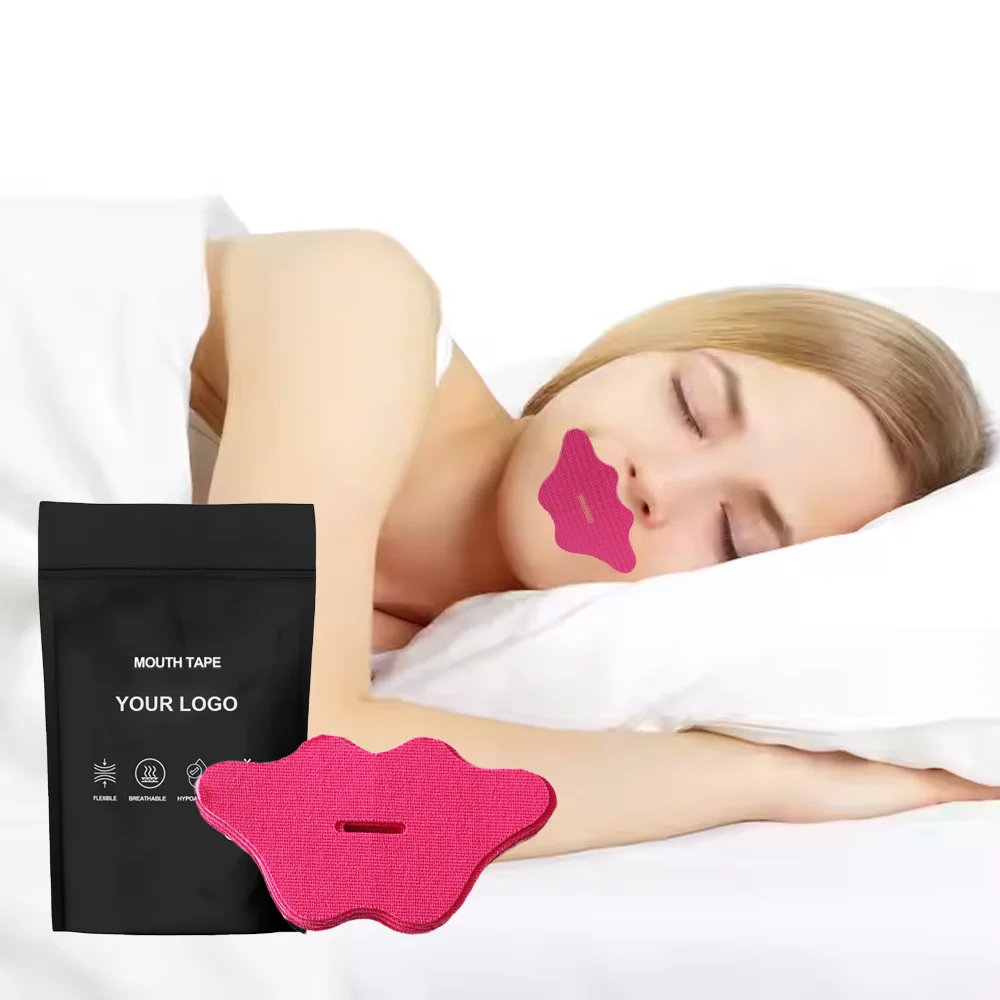
Pag-unawa sa Agham Sa Likod ng Sleep Strips
Paano Pinapalakas ng Sleep Strips ang Paghinga Gamit ang Ilong
Ang pangunahing mekanismo ng sleep strips ay naglalayong ipagpatuloy ang natural na paghinga sa pamamagitan ng ilong imbes na bibig. Kapag humihinga ang isang tao sa pamamagitan ng bibig habang natutulog, maaaring lumambot at bahagyang sumikip ang mga malambot na tisyu sa lalamunan at dila, na nagdudulot ng mga ugong na kilala nating ingaw. Ang sleep strips ay gumagana sa pamamagitan ng mahinang pandikit na nagpapanatili ng nakasara ang mga labi, na likas na pinapapunta muli ang hangin sa pamamagitan ng mga daanan ng ilong kung saan ito mas mainam na naf-filter, pinainit, at pinahihumid.
Ang paghinga sa pamamagitan ng ilong habang natutulog ay nag-aalok ng maraming pisikal na benepisyo na lampas sa pagbawas ng ingaw. Ang mga daanan ng ilong ay may mga espesyalisadong istruktura na tumutulong sa pag-regulate ng daloy ng hangin at pag-optimize ng pagsipsip ng oxygen, habang naglalabas din ng nitric oxide na nakatutulong sa kalusugan ng puso at sirkulasyon. Kapag palagi nang ginagamit ng mga indibidwal ang sleep strips upang mapanatili ang paghinga sa ilong, karaniwang nakakaranas sila ng mas malalim na pagtulog at nagigising na mas revitalized at puno ng enerhiya.
Ang Pisayolohikal na Epekto sa Kalidad ng Tulog
Nagpapakita ang pananaliksik na maaaring magdulot ang paghinga sa pamamagitan ng bibig habang natutulog ng pagbaba sa antas ng oxygen saturation at magapiyong mga pattern ng tulog. Tinutulungan ng sleep strips na mapanatili ang optimal na mekanismo ng paghinga upang suportahan ang natural na arkitektura ng tulog ng katawan, kabilang ang mahahalagang yugto ng malalim na tulog at REM na kritikal para sa pisikal na paggaling at kognitibong pag-andar. Sa pamamagitan ng pagbawas sa turbulensya ng hangin at pagtataguyod ng matatag na daloy ng hangin sa ilong, maaaring makatulong ang mga strip na ito sa pagbawas ng mga pagkagambala sa tulog at pagpapabuti ng kabuuang kalidad ng pahinga.
Maaari ring makatulong ang patuloy na paggamit ng sleep strips sa pagbawas ng mga sintomas sa umaga na kaugnay ng paghinga sa bibig, tulad ng tuyong bibig, iritasyon sa lalamunan, at mga isyu sa ngipin. Naiuulat ng maraming gumagamit ang pagkakaroon ng mas kaunting pagkagising dahil sa mga pagkagambala sa paghinga, na nagreresulta sa mas nakakonsolidang pagtulog at mapabuting alertnes at pagganap sa araw.
Mga Benepisyo ng Paggamit ng Sleep Strips para sa Pagbawas ng Pangsusungog
Agad na Lunas sa Pangsusungog
Isa sa mga pinakamalaking kalamangan ng sleep strips ay ang kanilang kakayahang magbigay ng agarang resulta para sa maraming gumagamit. Hindi tulad ng iba pang anti-snoring solusyon na maaaring nangangailangan ng ilang linggo o buwan upang maipakita ang epektibidad, karaniwang nagsisimula nang gumana ang sleep strips sa unang gabi ng paggamit. Ang mahinang pandikit ay nagpapanatili ng sarado ang bibig habang natutulog, na nagpapababa sa posibilidad ng pag-ugoy ng malambot na tisyu sa lugar ng lalamunan na siyang nagdudulot ng tunog ng pag-angat.
Nag-iiba-iba ang epektibidad ng sleep strips sa bawat indibidwal, ngunit maraming gumagamit ang nakakaranas ng malinaw na pagbawas sa lakas at dalas ng pag-angat sa loob lamang ng ilang unang gabi. Maaaring lubhang kapaki-pakinabang ang agarang lunas na ito para sa mga mag-asawang nahihirapan na sa pagtulog dahil sa pag-angat, na nagbibigay-daan para sa mas maayos na harmoniya sa relasyon at mas mahusay na pahinga para sa lahat sa tahanan.
Mga Pangmatagalang Pagpapabuti sa Kalusugan ng Pagtulog
Bukod sa agarang pagbawas sa pag-angat, ang tuluy-tuloy na paggamit ng sleep Strips maaaring makatulong sa mga mahahabang pagpapabuti sa kabuuang kalusugan ng pagtulog. Ang regular na paghinga sa ilong habang natutulog ay nakakatulong sa pagpapanatili ng optimal na antas ng kahalumigmigan sa daanan ng hangin, binabawasan ang panganib ng impeksyon sa respiratory, at sumusuporta sa mas mahusay na paghahatid ng oxygen sa buong katawan. Ang pagsama-sama ng mga kadahilanan na ito ay nagpapahusay sa pagbabagong-buhay na dulot ng pagtulog at maaaring magdulot ng pagpapabuti sa immune function at mas mahusay na kalusugan.
Maraming indibidwal na isinasama ang sleep strips sa kanilang gabi-gabing rutina na nagsusuri ng mas pare-parehong antas ng enerhiya sa buong araw, mapabuting cognitive function, at mas mahusay na regulasyon ng mood. Ang pinagsama-samang epekto ng mas mahusay na kalidad ng pagtulog ay maaaring magkaroon ng malawakang epekto sa iba't ibang aspeto ng kalusugan, kabilang ang cardiovascular wellness, pamamahala ng timbang, at pagtutol sa stress.
Pagpili ng Tamang Sleep Strips para sa Iyong Pangangailangan
Mga Isinusider na Materyales at Katangian ng Komport
Ang komposisyon ng materyales ng sleep strips ay mahalaga sa parehong epekto at ginhawa habang ginagamit. Karaniwang gawa ang mataas na kalidad na sleep strips sa mga humihingang, hypoallergenic na materyales na nagbibigay ng matibay na pandikit nang hindi nagdudulot ng iritasyon o kaguluhan sa balat. Ang ilang premium na opsyon ay may materyales tulad ng bamboo silk na nag-aalok ng mas mataas na ginhawa at pagkakabitbit, na angkop para sa mga taong may sensitibong balat o mga taong mas pipiliin ang natural na fiber.
Sa pagpili ng sleep strips, mahalagang isaalang-alang ang mga salik tulad ng lakas ng pandikit, kadalian ng pagtanggal, at pangkalahatang ginhawa habang natutulog. Dapat magbigay ang ideal na sleep strip ng sapat na pandikit upang mapanatili ang pagsara ng bibig buong gabi habang sapat na malambot upang matanggal sa umaga nang walang iritasyon sa balat o natirang basura.
Paggamot at Pagtitimbang ng Sukat
Ang mga sleep strip ay magagamit sa iba't ibang sukat at hugis upang akomodahan ang iba't ibang istruktura ng mukha at pansariling kagustuhan. Maaaring gusto ng ilang tao ang mas maliit na mga strip na nagbibigay ng nakatuon na pandikit, habang ang iba naman ay mas nagiging epektibo sa mas malalaking strip para mapanatili ang tuluy-tuloy na pagsara ng bibig. Ang susi ay ang paghahanap ng isang sukat at istilo na komportable at secure pakiramdam sa buong gabi ng pagtulog nang walang anumang pakiramdam ng paghihigpit o kaguluhan.
Maraming tagagawa ang nag-aalok ng mga sleep strip sa maramihang opsyon ng sukat o disenyo na maaaring i-customize batay sa pangangailangan ng indibidwal. Ang paglaan ng oras upang subukan ang iba't ibang sukat at teknik ng paglalagay ay makatutulong sa mga gumagamit na mapabuti ang kanilang karanasan at makamit ang pinakamahusay na resulta sa pagbawas ng pag-ungal at pagpapabuti ng kalidad ng pagtulog.
Pinakamahusay na Kasanayan sa Epektibong Paggamit ng Sleep Strips
Tamang mga teknika sa aplikasyon
Ang pagkamit ng optimal na resulta gamit ang mga sleep strip ay nangangailangan ng wastong paggamit mga teknik at pagtuturo. Dapat malinis at tuyo ang balat sa paligid ng bibig bago ilagay ang mga tira upang matiyak ang pinakamataas na pandikit at epektibidad. Maingat na paghuhugas sa lugar gamit ang banayad na sabon at tubig, saka lubusang pagpapatuyo, ay lumilikha ng perpektong ibabaw para sa paglalagay ng tira at tumutulong upang maiwasan ang maagang pagkakahiwalay habang natutulog.
Parehong mahalaga ang posisyon ng mga tira sa pagtulog para sa ginhawa at epektibidad. Dapat ilagay ang mga tira sa paraan na nagbibigay-daan sa natural na pagsara ng labi nang walang paglikha ng tensyon o kahihinatnan. Maraming gumagamit ang nakakaramdam na ang paglalagay ng mga tira ay mga 30 minuto bago matulog ay nagbibigay sa kanila ng pag-aadjust sa sensasyon at nagagarantiya na sila'y lubusang komportable kapag sila'y humihiga upang magpahinga.
Paglikha ng Masinsinang Rutina sa Pagtulog
Ang pagsasama ng mga sleep strip sa mas malawak na gawi para sa kalinisan ng tulog ay maaaring mapataas ang kanilang epekto at makatutulong sa mas mahusay na kalidad ng pagtulog. Maaari itong isama ang pagpapanatili ng pare-pareho ng oras ng pagtulog at paggising, paglikha ng komportableng kapaligiran sa pagtulog na may angkop na temperatura at lighting, at pag-iwas sa mga nakapagpapagising na gawain o sustansya bago matulog. Ang mga sleep strip ay pinakaepektibo kapag bahagi ito ng isang buong diskarte sa kalinangan ng pagtulog imbes na isang hiwalay na solusyon.
Ang regular na paggamit ng mga sleep strip ay maaaring makatulong na sanayin ang katawan upang natural na paboran ang paghinga sa ilong habang natutulog, na posibleng nababawasan ang pag-asa sa mga strip sa paglipas ng panahon. Gayunpaman, maraming gumagamit ang patuloy na gumagamit ng mga sleep strip bilang isang pansugpo at upang mapanatili ang mga pagbabagong nagpabuti sa kalidad ng kanilang pagtulog.
Mga Konsiderasyon sa Kaligtasan at Potensyal na Side Effects
Pag-unawa sa Tama at Tamang Gabay sa Paggamit
Bagaman karaniwang ligtas ang sleep strips para sa karamihan ng mga indibidwal, mahalagang maunawaan ang tamang gabay sa paggamit at potensyal na limitasyon nito. Hindi dapat gamitin ang sleep strips ng mga taong may ilang kondisyon medikal, kabilang ang matinding nasal congestion, mga disorder sa paghinga, o yaong hindi makapaghinga sa pamamagitan ng kanilang ilong. Ang sinumang may alalahanin tungkol sa kanilang kakayahang makahinga nang ligtas kapag nakasara ang bibig ay dapat kumonsulta sa isang propesyonal sa kalusugan bago gamitin ang sleep strips.
Mahalaga rin na tiyakin na tama ang paglalapat ng sleep strips at tanggalin ito nang maingat upang maiwasan ang iritasyon sa balat. Dapat itigil ang paggamit kung mararanasan ang anumang masamang reaksyon, kabilang ang iritasyon sa balat, hirap sa paghinga, o nadagdagan ang anxiety tungkol sa pagtulog. Hindi dapat pakiramdam na nakakapiit ang mga strip o magdulot ng anumang pakiramdam ng hirap sa paghinga habang ginagamit.
Pagsubaybay sa Iyong Reaksyon at Pagsasaayos ng Paggamit
Maaaring magkaiba ang reaksyon ng bawat indibidwal sa sleep strips, at mahalaga na bantayan ang iyong karanasan at ayusin nang naaayon ang paggamit. Maaaring kailanganin ng ilang tao ng panahon upang makapag-akma sa pakiramdam ng sariling bibig na hinahawakan nang mahinahon habang natutulog, samantalang ang iba naman ay maaaring agad makaramdam ng ginhawa at benepisyo. Ang pagtatala sa kalidad ng tulog, pagbawas sa pag-ungal, at pangkalahatang komportabilidad ay makatutulong upang matukoy ang pinaka-epektibong paraan para sa pansariling pangangailangan.
Kung hindi nagdudulot ng ninanais na resulta ang sleep strips matapos gamitin nang paulit-ulit sa loob ng ilang linggo, maaaring makatulong na alamin ang iba pang mga salik na maaaring nag-aambag sa pag-ungal o masamang kalidad ng tulog. Kasama rito ang posisyon habang natutulog, kapaligiran sa kuwarto, o anumang kondisyon sa kalusugan na maaaring nangangailangan ng propesyonal na pagsusuri at paggamot.
FAQ
Ligtas bang gamitin ang sleep strips tuwing gabi
Oo, karaniwang ligtas ang sleep strips para sa panggabing paggamit kung tama ang paglalapat at kung ang gumagamit ay nakakahinga nang komportable sa pamamagitan ng ilong. Ang mga materyales na pandikit na ginagamit sa mga de-kalidad na sleep strips ay dinisenyo para sa regular na kontak sa balat at karaniwang hindi nagdudulot ng iritasyon kahit paulit-ulit ang paggamit. Gayunpaman, dapat bantayan ng mga taong may sensitibong balat ang anumang palatandaan ng iritasyon at maaaring makinabang sa pagpopormal ng paggamit o sa pagpili ng mga strip na gawa sa mas banayad na materyales tulad ng bamboo silk.
Gaano kabilis ipinapakita ng sleep strips ang resulta sa pagbawas ng pag-ungal?
Maraming gumagamit ang nakakaranas ng malinaw na pagbuti sa pagbawas ng pag-ungal sa loob lamang ng ilang unang gabing paggamit ng sleep strips. Ang agresibong epekto ay dahil sa diretsahang mekanikal na aksyon nito na nagtataguyod ng paghinga sa ilong at nababawasan ang pagbukas ng bibig habang natutulog. Gayunpaman, ang lubos na benepisyo para sa kalidad ng tulog at pangkalahatang kagalingan ay maaaring lumago sa loob ng ilang linggo ng tuluy-tuloy na paggamit habang umaangkop ang katawan sa mas mahusay na mga pattern ng paghinga.
Maari bang makatulong ang sleep strips sa sleep apnea
Bagaman ang mga sleep strip ay maaaring makatulong na bawasan ang simpleng pag-iling sa pamamagitan ng paghikayat sa paghinga sa ilong, hindi ito isang lunas para sa sleep apnea, isang malubhang medikal na kondisyon na nangangailangan ng propesyonal na pagsusuri at paggamot. Ang mga indibidwal na hinihinalang may sleep apnea ay dapat kumonsulta sa isang healthcare provider o dalubhasa sa pagtulog para sa tamang pagtatasa. Maaaring gamitin ang mga sleep strip bilang bahagi ng isang komprehensibong paraan upang mapabuti ang kalusugan sa pagtulog, ngunit hindi ito dapat pampalit sa medikal na paggamot para sa anumang nakapirming disorder sa pagtulog.
Ano ang dapat kong gawin kung magdudulot ng iritasyon sa balat ang sleep strips
Kung magdudulot ng iritasyon sa balat ang sleep strips, itigil agad ang paggamit at hayaan munang ganap na gumaling ang balat bago subukang gamitin muli. Isaalang-alang ang paglipat sa mga sleep strip na gawa sa iba't ibang materyales, tulad ng mga may hypoallergenic adhesives o natural na fibers. Nakakaranas ang ilang gumagamit na ang paglalagay ng mga strip sa bahagyang iba't ibang posisyon o ang paggamit nito sa bawat ikalawang gabi sa simula ay nakakatulong upang mabawasan ang panganib ng iritasyon habang pinahihintulutan ang balat na umangkop sa regular na paggamit.
Talaan ng mga Nilalaman
- Pag-unawa sa Agham Sa Likod ng Sleep Strips
- Mga Benepisyo ng Paggamit ng Sleep Strips para sa Pagbawas ng Pangsusungog
- Pagpili ng Tamang Sleep Strips para sa Iyong Pangangailangan
- Pinakamahusay na Kasanayan sa Epektibong Paggamit ng Sleep Strips
- Mga Konsiderasyon sa Kaligtasan at Potensyal na Side Effects
- FAQ
