
 EN
EN

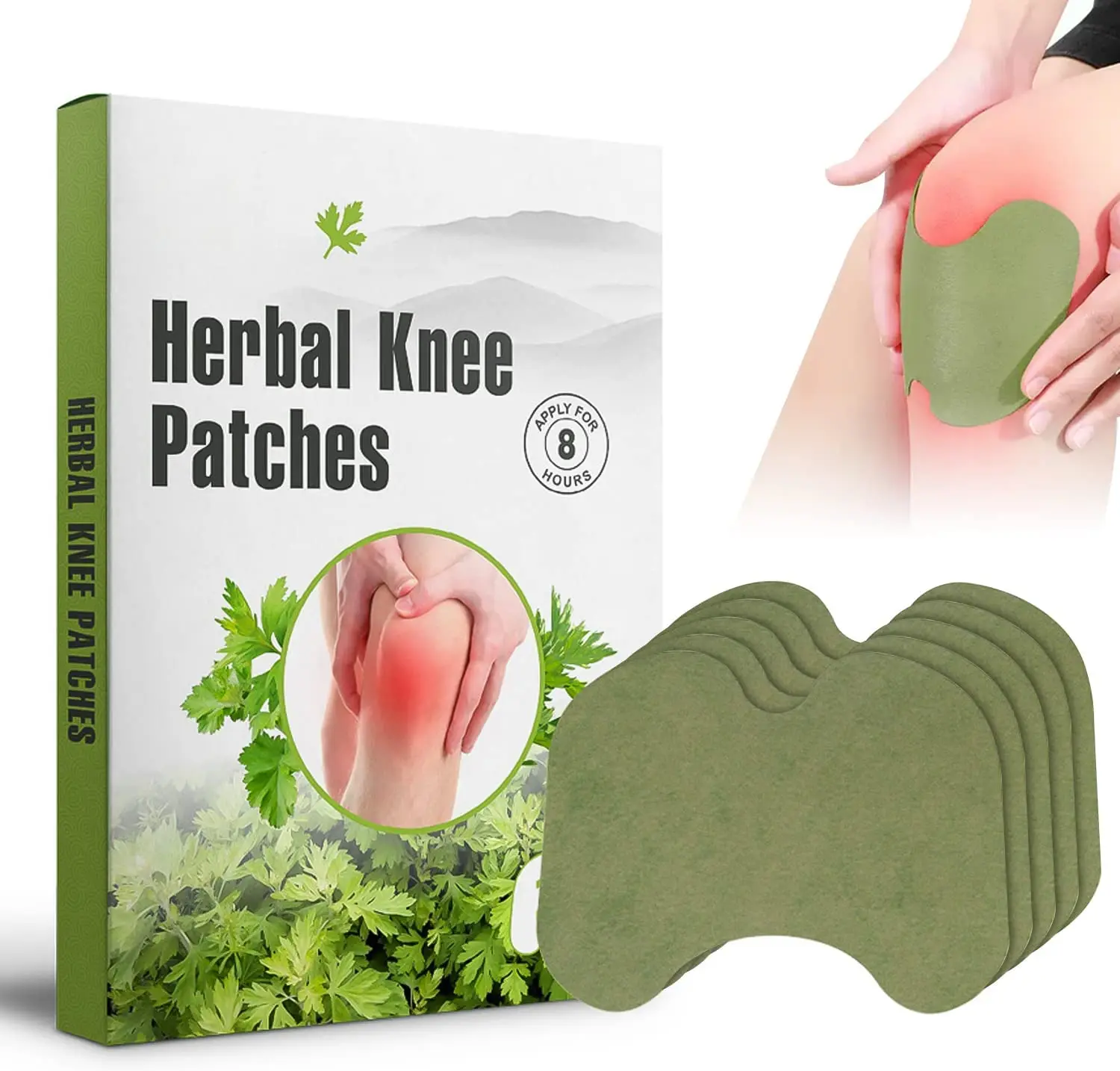
Chronic knee discomfort affects millions of individuals worldwide, disrupting daily activities and diminishing quality of life. Modern therapeutic solutions have evolved beyond traditional oral medications to include topical applications that deliver targeted relief directly to affected areas. A knee pain relief patch represents an innovative approach to managing persistent joint discomfort, offering extended therapeutic benefits through advanced transdermal technology. These specialized patches are designed to provide sustained relief while minimizing systemic side effects commonly associated with oral pain medications. Understanding the mechanisms and benefits of long-lasting pain relief patches can help individuals make informed decisions about their pain management strategies.
Understanding Advanced Transdermal Pain Relief Technology
Mechanisms of Transdermal Drug Delivery
Transdermal delivery systems utilize sophisticated mechanisms to penetrate skin barriers and deliver therapeutic compounds directly to targeted tissues. The knee pain relief patch employs multiple penetration enhancement techniques, including chemical permeation enhancers and physical modifications to the skin structure. These systems bypass first-pass metabolism in the liver, allowing for more efficient drug utilization and reduced systemic exposure. The controlled release matrix within each patch ensures steady therapeutic compound delivery over extended periods, maintaining consistent pain relief levels.
Advanced patch formulations incorporate hydrophilic and lipophilic compounds that work synergistically to overcome skin resistance. The stratum corneum, the outermost layer of skin, presents the primary barrier to topical absorption. Modern knee pain relief patch designs utilize innovative polymer matrices that gradually release active ingredients while maintaining skin adhesion for up to twelve hours. This sustained release mechanism prevents the concentration peaks and valleys associated with oral medications, providing more stable pain management outcomes.
Active Ingredient Profiles and Efficacy
Contemporary pain relief patches incorporate various therapeutic compounds, including non-steroidal anti-inflammatory drugs, capsaicin, menthol, and herbal extracts. Each knee pain relief patch may contain single or multiple active ingredients designed to target different pain pathways simultaneously. NSAIDs reduce inflammation at the cellular level, while capsaicin depletes substance P, a neurotransmitter responsible for transmitting pain signals. Menthol provides immediate cooling sensations that help mask pain perception through counter-irritant mechanisms.
Research demonstrates that topical applications achieve therapeutic concentrations in target tissues while maintaining lower systemic drug levels compared to oral administration. This localized approach reduces potential gastrointestinal, cardiovascular, and renal side effects associated with systemic NSAID use. Clinical studies indicate that properly formulated patches can maintain therapeutic tissue levels for extended periods, supporting the claims of twelve-hour continuous relief.
Clinical Applications and Patient Benefits
Optimal Conditions for Patch Therapy
Knee pain relief patches demonstrate particular effectiveness in treating osteoarthritis, minor sports injuries, and chronic joint stiffness. These conditions benefit from continuous, localized treatment that traditional oral medications cannot provide as efficiently. Patients with mild to moderate knee pain often experience significant improvement when using patches as part of comprehensive pain management protocols. The convenience of once or twice-daily application makes patches ideal for individuals with busy lifestyles who require consistent pain relief without frequent medication scheduling.
Elderly patients frequently prefer patch therapy due to simplified dosing regimens and reduced pill burden. The knee pain relief patch offers particular advantages for this population, as it minimizes drug interactions and reduces the risk of accidental overdosing. Healthcare providers increasingly recommend topical patches for patients with gastrointestinal sensitivities or those taking multiple medications that could interact with oral analgesics.
Integration with Comprehensive Pain Management
Effective knee pain management often requires multimodal approaches combining pharmacological and non-pharmacological interventions. Pain relief patches complement physical therapy, exercise programs, and lifestyle modifications to provide comprehensive care. The localized nature of patch therapy allows patients to maintain normal activities while receiving continuous pain relief, supporting rehabilitation efforts and functional improvement. Healthcare professionals can adjust patch usage frequency and duration based on individual patient responses and treatment goals.
Patient education plays a crucial role in maximizing patch effectiveness and ensuring proper application techniques. Correct skin preparation, patch placement, and timing optimization contribute significantly to therapeutic outcomes. Regular assessment of pain levels and functional improvement helps healthcare providers determine optimal treatment duration and potential need for alternative or additional interventions.
Safety Considerations and Application Guidelines
Proper Application Techniques
Successful patch therapy requires adherence to specific application protocols to maximize efficacy and minimize adverse reactions. The application site should be clean, dry, and free from cuts, irritation, or excessive hair that could interfere with adhesion. Each knee pain relief patch should be applied to intact skin and pressed firmly to ensure complete contact with the treatment area. Patients should avoid applying patches to the same exact location consecutively to prevent skin irritation or sensitization.
Temperature considerations affect patch performance, with extreme heat potentially increasing drug absorption rates beyond intended levels. Patients should avoid hot baths, saunas, or direct heat application to patches, as this can alter release kinetics and potentially cause skin irritation. Similarly, excessive moisture from swimming or prolonged bathing may compromise patch adhesion and reduce therapeutic effectiveness.
Monitoring and Risk Management
Regular skin assessment helps identify potential adverse reactions before they become problematic. Mild redness or itching may occur initially but should resolve within a few hours of application. Persistent irritation, severe redness, or allergic reactions require immediate patch removal and medical consultation. Patients with sensitive skin or known allergies to topical medications should perform patch testing on a small skin area before full application.
Long-term users of knee pain relief patches should maintain regular communication with healthcare providers to assess ongoing need and treatment effectiveness. Tolerance development or decreased efficacy may indicate the need for alternative treatments or combination therapies. Healthcare professionals can adjust treatment protocols based on individual patient responses and changing pain patterns over time.
Comparative Effectiveness and Treatment Outcomes
Clinical Evidence and Research Findings
Multiple clinical trials demonstrate the effectiveness of topical pain relief patches compared to placebo and oral medications. Research indicates that properly formulated patches provide comparable pain reduction to oral NSAIDs while significantly reducing systemic side effects. Studies measuring pain intensity scores show sustained improvement over twelve-hour periods, supporting extended-release claims. Patient satisfaction surveys consistently rate patch therapy highly for convenience, effectiveness, and tolerability.
Long-term studies examining knee pain relief patch use in osteoarthritis patients demonstrate maintained efficacy over several months of continuous treatment. These findings suggest that patches can serve as viable long-term treatment options for chronic conditions. Functional improvement measures, including increased mobility and reduced activity limitations, show significant positive changes in patients using patch therapy compared to control groups.
Cost-Effectiveness and Healthcare Economics
Economic analyses of topical patch therapy reveal favorable cost-effectiveness ratios when considering direct medical costs and indirect productivity benefits. Reduced physician visits, fewer emergency department presentations for medication side effects, and decreased need for additional pain medications contribute to overall healthcare savings. The convenience factor of patch therapy also reduces work absenteeism and improves productivity among employed individuals managing chronic knee pain.
Insurance coverage for prescription pain relief patches varies, but many healthcare systems recognize the value proposition of topical therapy in reducing long-term complications associated with oral pain medications. Patient assistance programs and generic alternatives are increasingly available, making patch therapy accessible to broader patient populations seeking effective knee pain management solutions.
Future Developments and Innovation Trends
Emerging Technologies in Transdermal Delivery
Technological advances continue to improve the effectiveness and convenience of topical pain relief systems. Microneedle patches represent the next generation of transdermal delivery, potentially increasing drug penetration while maintaining patient comfort and safety. Smart patches incorporating sensors and wireless connectivity may soon provide real-time monitoring of pain levels and automatic dose adjustments based on individual patient needs.
Nanotechnology applications in patch formulation promise enhanced drug stability, improved skin penetration, and more precise targeting of therapeutic compounds. These innovations may extend the duration of action beyond current twelve-hour limits while reducing patch size and improving cosmetic acceptability. Research into personalized medicine approaches may lead to customized knee pain relief patch formulations based on individual genetic profiles and pain sensitivity patterns.
Regulatory Developments and Market Trends
Regulatory agencies worldwide are developing more streamlined approval pathways for topical pain relief products, recognizing their safety advantages over oral alternatives. These changes may accelerate the introduction of new formulations and improve access to innovative patch therapies. Market trends indicate growing consumer preference for non-oral pain management options, driving continued investment in research and development.
Healthcare provider education programs are expanding to include comprehensive training on topical pain management strategies, ensuring optimal patient outcomes through proper patch selection and application guidance. Professional organizations increasingly recognize the role of topical therapies in evidence-based pain management protocols, supporting broader adoption of patch therapy in clinical practice.
FAQ
How long does it take for a knee pain relief patch to start working
Most knee pain relief patches begin providing noticeable pain reduction within 30 to 60 minutes of application. The initial relief comes from immediate-release compounds that provide quick onset of action, while sustained-release components maintain therapeutic levels for up to twelve hours. Individual response times may vary based on skin thickness, patch formulation, and severity of pain symptoms.
Can I wear a pain relief patch while exercising or swimming
Most knee pain relief patches are designed to maintain adhesion during normal daily activities, including light exercise. However, excessive sweating or water immersion may compromise patch integrity and reduce effectiveness. For swimming or intense workouts, consult with your healthcare provider about timing patch application for optimal therapeutic benefit while maintaining patch performance.
Are there any medications that interact with topical pain relief patches
While topical patches generally have fewer drug interactions than oral medications, certain combinations require medical supervision. Patients taking blood thinners, other topical medications, or multiple NSAIDs should consult healthcare providers before using pain relief patches. The localized nature of patch therapy reduces but does not eliminate the potential for systemic drug interactions.
What should I do if my skin becomes irritated from using a knee pain relief patch
Mild skin irritation should resolve within a few hours of patch removal. If redness, itching, or discomfort persists, discontinue use and consult with a healthcare provider. Future applications should be rotated to different skin areas, and patients may benefit from using patches with different adhesive formulations or active ingredient profiles to minimize sensitivity reactions.
