
 EN
EN
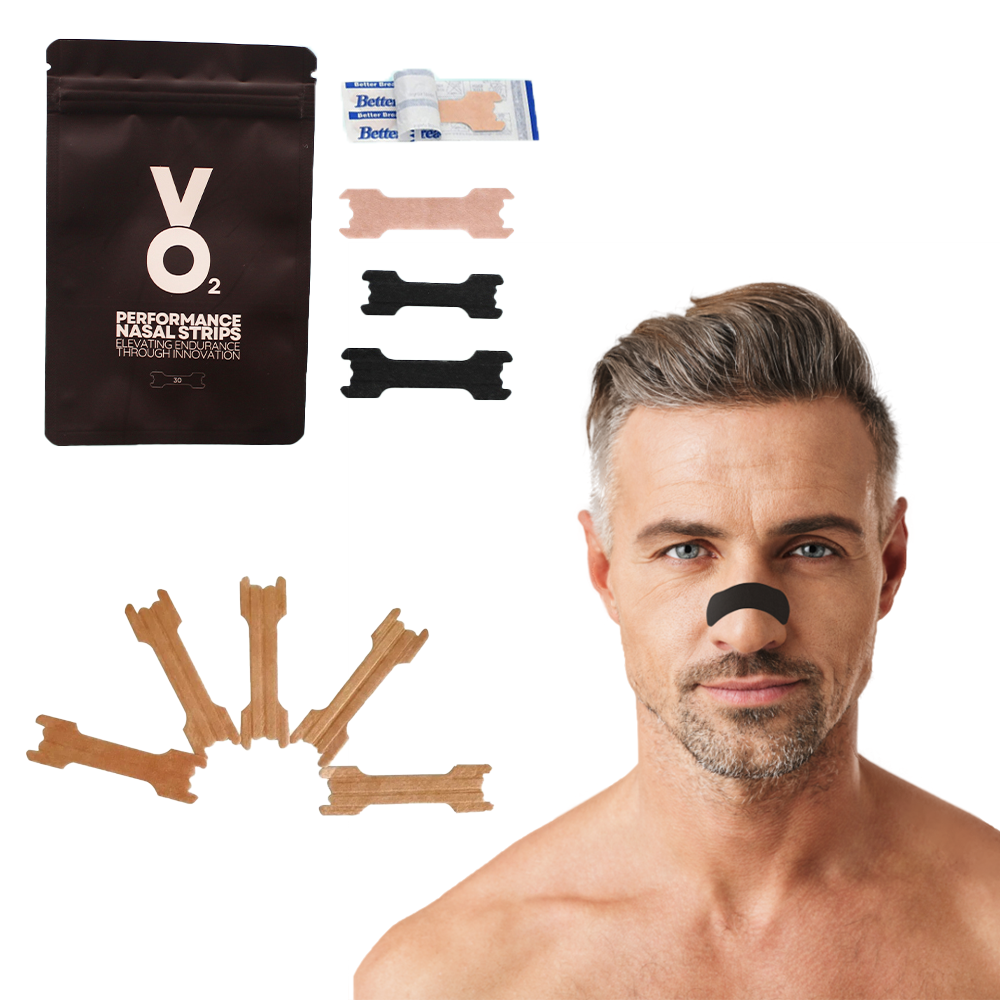
Selecting the right adhesive materials for sensitive skin requires careful consideration of ingredients that minimize allergic reactions and irritation. When it comes to sleep wellness products, hypoallergenic mouth tape has emerged as a crucial solution for individuals who experience breathing difficulties during sleep but also struggle with skin sensitivities. The materials used in these specialized tapes must balance effective adhesion with gentle contact, ensuring users can maintain proper mouth positioning throughout the night without developing rashes, redness, or discomfort. Understanding which specific materials make mouth tape safe for sensitive skin empowers consumers to make informed decisions about their nighttime breathing aids while protecting their delicate facial skin.
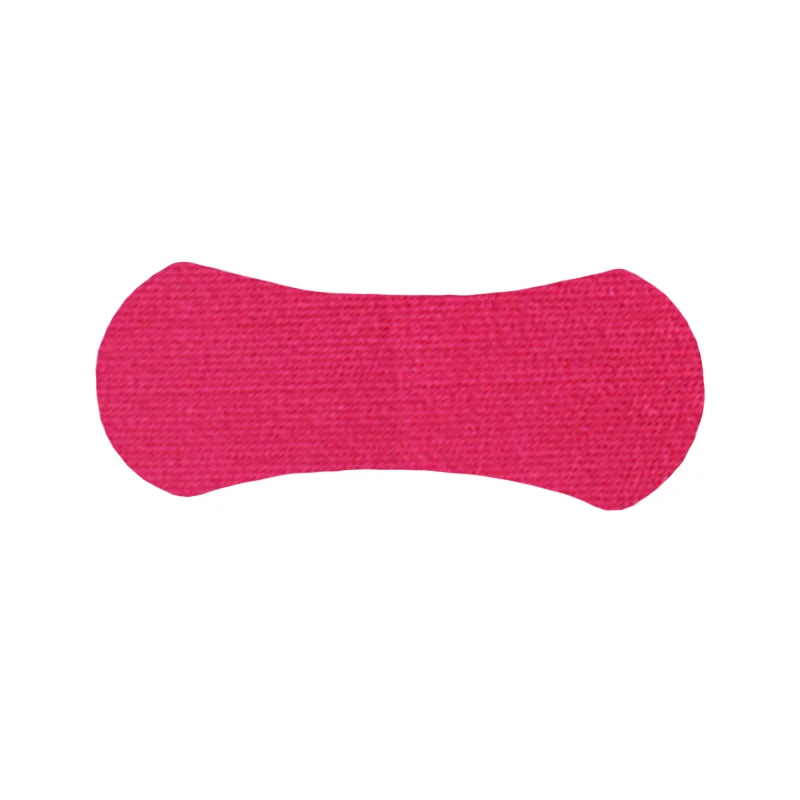
Medical Grade Silicone Adhesives
Properties of Medical Grade Silicone
Medical grade silicone represents the gold standard for hypoallergenic mouth tape applications due to its biocompatible properties and minimal risk of allergic reactions. This synthetic polymer maintains its adhesive qualities without releasing harmful chemicals or causing inflammatory responses on sensitive facial skin. The molecular structure of medical grade silicone creates a gentle yet secure bond that allows for easy removal without leaving residue or causing micro-tears in the skin. Healthcare professionals frequently recommend silicone-based adhesives for patients with documented skin sensitivities because clinical studies consistently demonstrate lower incidence rates of contact dermatitis compared to traditional adhesive materials.
The manufacturing process for medical grade silicone involves stringent quality controls that eliminate potential irritants and allergens commonly found in industrial-grade alternatives. These materials undergo extensive biocompatibility testing to ensure they meet FDA standards for direct skin contact applications. When applied to mouth tape products, medical grade silicone provides consistent adhesion across various skin types while maintaining breathability that prevents moisture buildup and bacterial growth. The flexibility of silicone allows the tape to move naturally with facial expressions during sleep without compromising the seal or causing skin stress.
Advantages for Sensitive Skin Applications
Individuals with sensitive skin benefit significantly from hypoallergenic mouth tape formulated with medical grade silicone because it eliminates common triggers associated with latex, acrylates, and rubber-based adhesives. The hypoallergenic properties extend beyond simple non-reactivity to include moisture management capabilities that prevent skin maceration during extended wear periods. Silicone-based formulations resist bacterial and fungal colonization, reducing the risk of secondary infections that can complicate sensitive skin conditions. The gentle removal characteristics of silicone adhesives minimize trauma to the perioral area, making them suitable for nightly use without cumulative irritation effects.
Clinical dermatology research supports the use of silicone-based adhesives for patients with conditions such as eczema, contact dermatitis, and general skin hypersensitivity. These materials demonstrate excellent compatibility with topical skincare products, allowing users to maintain their regular facial care routines without compromising tape adhesion or causing adverse reactions. The transparent nature of medical grade silicone also provides aesthetic benefits, making the mouth tape less noticeable during use while maintaining the therapeutic effectiveness required for proper sleep breathing support.
Hydrocolloid Technology Integration
Understanding Hydrocolloid Benefits
Hydrocolloid materials represent an innovative approach to creating hypoallergenic mouth tape that provides superior comfort for sensitive skin users. These gel-forming polymers create a protective barrier between the adhesive and skin surface, significantly reducing direct contact irritation while maintaining secure adhesion throughout the sleep cycle. The hydrocolloid layer absorbs minimal amounts of skin moisture, creating a balanced microenvironment that prevents both dryness and excessive humidity that could lead to skin problems. This technology has been successfully adapted from wound care applications where protecting vulnerable skin while maintaining sterile seals is paramount.
The unique properties of hydrocolloids allow them to conform perfectly to facial contours, ensuring even pressure distribution that eliminates hot spots or areas of concentrated stress on sensitive skin. When integrated into mouth tape design, hydrocolloid technology provides cushioning effects that reduce mechanical irritation from facial movements during sleep. The material's ability to gradually release moisture helps maintain skin hydration levels, preventing the dryness that often triggers sensitivity reactions in users with compromised skin barriers. This technology particularly benefits individuals who require long-term use of breathing aids but have previously experienced irritation with conventional tape products.
Manufacturing Considerations for Hydrocolloid Tapes
Producing effective hypoallergenic mouth tape with hydrocolloid technology requires precise control over layer thickness, adhesive distribution, and polymer cross-linking to achieve optimal performance characteristics. Manufacturers must balance the gel-forming properties with adhesive strength to ensure the tape remains securely positioned while providing maximum comfort for sensitive skin users. The hydrocolloid layer thickness directly impacts both cushioning effects and breathability, requiring careful engineering to prevent moisture buildup that could compromise skin health during extended wear periods. Quality control measures include testing for uniform gel distribution, adhesion consistency, and biocompatibility across diverse skin types and environmental conditions.
Advanced manufacturing techniques incorporate multiple hydrocolloid formulations to create gradient effects within the tape structure, providing enhanced comfort at skin contact points while maintaining robust adhesion at the edges. These sophisticated designs often feature perforated patterns that allow controlled air circulation without compromising the mouth sealing function essential for sleep breathing therapy. The integration of antimicrobial agents within the hydrocolloid matrix provides additional protection against skin infections that sensitive users may be more prone to developing. This comprehensive approach to material selection and design makes hydrocolloid-based mouth tapes particularly suitable for individuals with multiple skin sensitivities or compromised barrier function.
Natural Fiber Integration and Breathable Designs
Organic Cotton and Bamboo Fiber Applications
Natural fiber integration in hypoallergenic mouth tape design offers significant advantages for users with chemical sensitivities or preferences for organic materials in their healthcare products. Organic cotton fibers provide excellent breathability while maintaining structural integrity necessary for effective mouth positioning during sleep. The natural properties of cotton allow moisture vapor transmission that prevents skin maceration, particularly important for individuals who experience increased facial perspiration during sleep or live in humid climates. Bamboo fibers contribute antimicrobial properties that help maintain hygiene standards during extended wear periods without requiring chemical additives that might trigger sensitivity reactions.
The incorporation of natural fibers into hypoallergenic mouth tape construction creates a soft interface layer that cushions the skin from direct adhesive contact while maintaining the secure seal necessary for therapeutic effectiveness. These materials undergo specialized processing to remove potential allergens such as pesticide residues, manufacturing chemicals, or natural proteins that might trigger reactions in highly sensitive individuals. The fiber structure provides microscopic air channels that promote skin ventilation, reducing the risk of folliculitis or other skin conditions associated with occlusive dressings. This natural approach particularly appeals to users seeking chemical-free alternatives for their sleep wellness routines.
Micro-Perforation Technologies
Advanced micro-perforation techniques enhance the breathability of hypoallergenic mouth tape while preserving adhesive effectiveness and therapeutic function. These precisely engineered perforations allow controlled air exchange that maintains skin health without compromising the mouth sealing required for proper nasal breathing promotion. The perforation patterns are strategically designed using computer modeling to optimize airflow while preventing the tape from losing adhesion due to excessive ventilation. This technology particularly benefits users with sensitive skin who are prone to heat rash or contact dermatitis when using fully occlusive products during sleep.
The manufacturing process for micro-perforated tapes requires specialized laser cutting or mechanical punching equipment capable of creating uniform holes without damaging the adhesive properties or fiber integrity. Quality control measures ensure that perforation size, spacing, and edge smoothness meet specifications that balance breathability with adhesion security. The resulting products demonstrate superior comfort profiles for sensitive skin users while maintaining the clinical effectiveness required for sleep breathing applications. Research indicates that micro-perforated designs reduce skin temperature elevation and moisture accumulation compared to solid tape constructions, leading to improved user comfort and compliance rates.
Adhesive Chemistry and Skin Compatibility
Acrylate-Free Formulations
Eliminating acrylate compounds from adhesive formulations represents a crucial advancement in developing hypoallergenic mouth tape suitable for individuals with documented contact allergies. Acrylates are among the most common causes of adhesive-related contact dermatitis, making their removal essential for creating truly hypoallergenic products. Alternative adhesive chemistries based on polyisobutylene, silicone, or natural rubber compounds provide effective bonding while significantly reducing allergic reaction risks. These formulations undergo extensive dermatological testing to verify their compatibility with sensitive skin types and their ability to maintain adhesion under various environmental conditions.
The development of acrylate-free adhesives requires careful balance between tackiness, cohesion, and removability to ensure the mouth tape performs effectively throughout the sleep cycle. Advanced polymer science enables the creation of pressure-sensitive adhesives that bond securely to skin without requiring strong chemical interactions that might trigger sensitivity reactions. These formulations often incorporate plasticizers and stabilizers that are specifically selected for their low allergenic potential and biocompatibility profiles. The resulting adhesive systems provide reliable performance while minimizing the risk of cumulative sensitization that can develop with repeated exposure to problematic compounds.
pH-Balanced and Buffered Systems
Maintaining appropriate pH levels in adhesive formulations is critical for preventing skin irritation and ensuring compatibility with the natural acid mantle that protects healthy skin barriers. Hypoallergenic mouth tape products incorporate buffering systems that maintain pH levels within the optimal range of 4.5 to 6.5, matching the natural acidity of facial skin. This pH control prevents alkaline irritation that can disrupt skin barrier function and increase susceptibility to bacterial infections or inflammatory responses. The buffering capacity must remain stable throughout the product shelf life and during use to ensure consistent skin compatibility.
Advanced formulations include multiple buffering agents that provide redundant pH control while contributing additional skin-beneficial properties such as moisturization or antimicrobial effects. The selection of buffering compounds requires careful consideration of their individual allergenic potential and interactions with other formulation components. Citric acid, sodium bicarbonate, and phosphate-based systems are commonly employed in hypoallergenic formulations due to their excellent safety profiles and effectiveness in maintaining skin-compatible pH levels. Regular quality testing ensures that pH levels remain within specification throughout the manufacturing process and product storage period.
Testing and Certification Standards
Dermatological Testing Protocols
Comprehensive dermatological testing protocols ensure that hypoallergenic mouth tape products meet stringent safety standards for sensitive skin applications. Patch testing methodologies evaluate the potential for both immediate and delayed hypersensitivity reactions using standardized test panels that include individuals with documented skin sensitivities. These protocols typically involve 48-hour occlusive patch applications followed by evaluation periods extending up to 96 hours to identify delayed-type reactions that might not manifest immediately. The testing procedures must comply with international standards such as ISO 10993 for biological evaluation of medical devices to ensure reliable and reproducible results.
Clinical testing programs for hypoallergenic mouth tape often include specialized assessments for perioral skin sensitivity, given the unique characteristics of facial skin compared to other body areas commonly used in standard patch testing. These evaluations consider factors such as sebaceous gland density, hair follicle distribution, and the presence of facial hair that might influence adhesive performance and skin reaction potential. Dermatological oversight throughout the testing process ensures that any observed reactions are properly classified and documented according to established grading scales. The resulting data provides essential information for product labeling, usage instructions, and contraindication guidelines that help sensitive skin users make appropriate product selections.
Regulatory Compliance and Quality Assurance
Manufacturing hypoallergenic mouth tape products requires strict adherence to regulatory guidelines established by agencies such as the FDA, CE marking authorities, and other regional medical device regulators. These compliance requirements include detailed documentation of material sourcing, manufacturing processes, quality control procedures, and post-market surveillance activities. The regulatory framework ensures that products marketed as hypoallergenic meet specific criteria for reduced allergenic potential while maintaining therapeutic effectiveness. Regular audits and inspections verify that manufacturing facilities maintain appropriate quality systems and that products consistently meet established specifications.
Quality assurance programs for hypoallergenic mouth tape extend beyond basic manufacturing controls to include ongoing monitoring of adverse event reports, customer feedback analysis, and periodic reformulation reviews to incorporate advancing material science knowledge. These comprehensive quality systems help identify potential improvements in formulation or manufacturing processes that could further enhance skin compatibility while maintaining product effectiveness. The documentation requirements provide traceability for all product components and manufacturing steps, enabling rapid response to any quality issues that might arise during product distribution or use. This systematic approach to quality management ensures that users can have confidence in the safety and effectiveness of their chosen hypoallergenic mouth tape products.
FAQ
What makes certain mouth tapes hypoallergenic while others cause skin reactions
Hypoallergenic mouth tape products are specifically formulated without common allergens such as latex, acrylates, fragrances, and harsh chemical additives that frequently trigger skin reactions. These products utilize medical-grade materials like silicone or specially processed natural fibers that have undergone extensive biocompatibility testing. The adhesive systems in hypoallergenic formulations are designed to minimize direct chemical interaction with skin while maintaining necessary adhesion for therapeutic effectiveness. Additionally, hypoallergenic products often incorporate pH-balancing systems and moisture management technologies that support healthy skin barrier function during use.
How can I determine if a mouth tape will be compatible with my sensitive skin
Before using any new mouth tape product, individuals with sensitive skin should review the ingredient list for known allergens and look for certifications indicating dermatological testing or hypoallergenic claims. Patch testing on a small area of skin, such as the inner forearm, can help identify potential reactions before applying the product to facial skin. Consulting with a dermatologist or healthcare provider familiar with your specific skin sensitivities provides personalized guidance for product selection. Starting with short-duration trials and gradually increasing wear time allows monitoring for any developing sensitivity reactions while minimizing potential skin damage.
Are natural material mouth tapes always safer for sensitive skin than synthetic options
Natural materials are not automatically safer for sensitive skin, as some individuals may have allergies to plant proteins, natural rubber, or organic compounds found in natural fiber products. High-quality synthetic materials like medical-grade silicone often provide superior hypoallergenic properties due to their chemically inert nature and absence of biological proteins that can trigger allergic reactions. The safety of any mouth tape material depends on the specific formulation, processing methods, and individual user sensitivities rather than simply whether the materials are natural or synthetic. Proper testing and certification provide more reliable indicators of skin compatibility than material origin alone.
What should I do if I experience skin irritation from hypoallergenic mouth tape
If skin irritation develops while using hypoallergenic mouth tape, discontinue use immediately and gently remove the product using warm water to soften the adhesive if necessary. Clean the affected area with mild soap and water, then apply a gentle moisturizer or barrier cream to support skin healing. Monitor the irritated area for signs of improvement over 24 to 48 hours, and seek medical attention if reactions worsen or show signs of infection such as increased redness, warmth, or discharge. Document the specific product used and reaction symptoms to help identify problematic ingredients and guide future product selections with healthcare provider assistance.
Table of Contents
- Medical Grade Silicone Adhesives
- Hydrocolloid Technology Integration
- Natural Fiber Integration and Breathable Designs
- Adhesive Chemistry and Skin Compatibility
- Testing and Certification Standards
-
FAQ
- What makes certain mouth tapes hypoallergenic while others cause skin reactions
- How can I determine if a mouth tape will be compatible with my sensitive skin
- Are natural material mouth tapes always safer for sensitive skin than synthetic options
- What should I do if I experience skin irritation from hypoallergenic mouth tape
