 EN

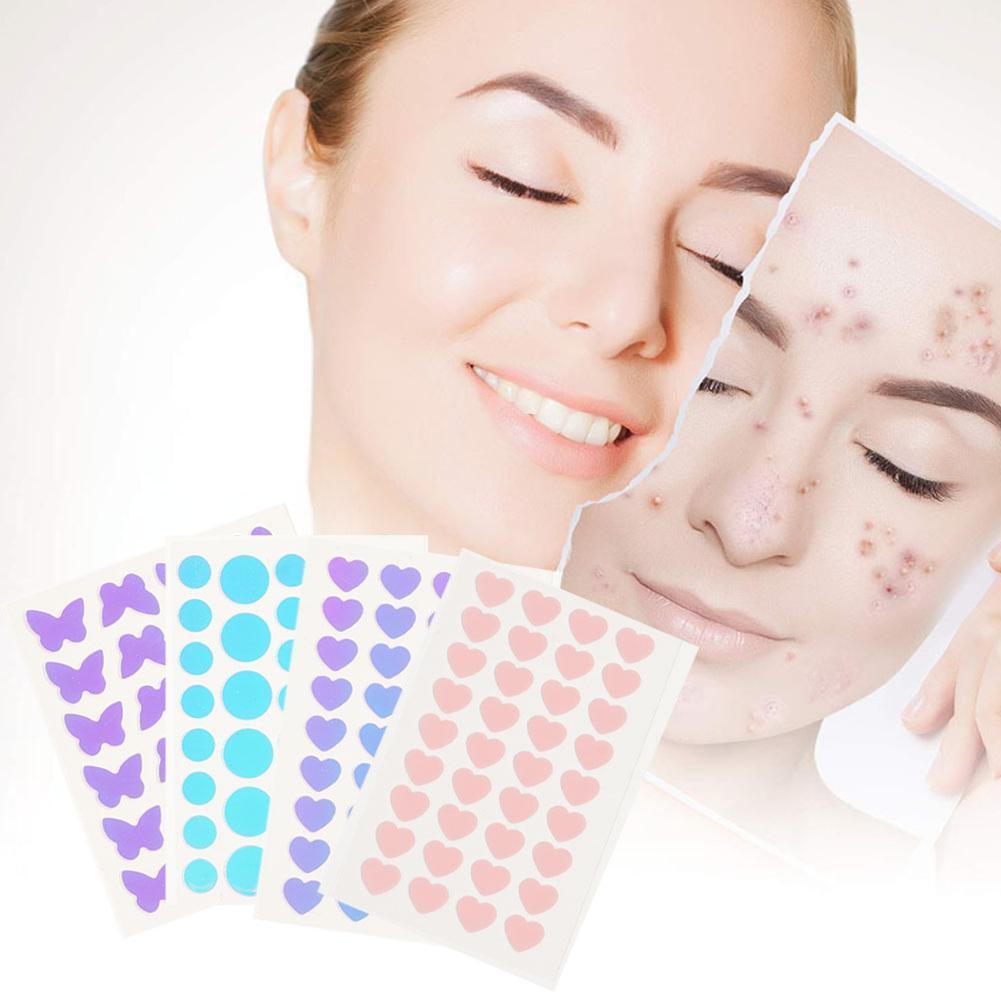
Cystic acne forms deep, painful lesions beneath the skin, so a surface dressing usually cannot reach the inflammation that causes them. An Acne Patch may still have a supporting role when a cyst opens or becomes exposed, but a pimple patch is not a cure for a deep cyst. Understanding this difference helps set realistic expectations and avoid irritating already sensitive skin. A blemish patch can protect the surface, while acne spot treatment for cystic acne often requires a clinician’s guidance.

The practical answer depends on the lesion’s condition. A sealed, under-the-skin lump is unlikely to benefit much from a pimple patch because there is no surface fluid for the dressing to absorb. If the area has drained naturally, a suitable blemish patch may shield it from picking and friction while it heals. Acne spot treatment should be chosen carefully, since strong products can aggravate irritation rather than resolve a deep nodule.
What a patch can do for a cyst
Surface protection rather than deep treatment
Most hydrocolloid dressings work at the skin surface by absorbing moisture from an open or draining blemish and creating a covered environment. A pimple patch can also serve as a physical reminder not to squeeze, scratch, or repeatedly touch an inflamed area. That protection may reduce avoidable trauma, but it does not mean the dressing has treated the cyst beneath the skin. A blemish patch is therefore best understood as a cover, not a medicine.
A closed cyst has no accessible opening, so a patch cannot draw out material located deep in the tissue. Covering an intact lump with a pimple patch may offer little beyond reducing contact with fingers, and it should not be expected to flatten the lesion. Acne spot treatment aimed at the surface may likewise have limited reach. Choose a product according to its stated use, and stop if the adhesive or material causes itching, burning, or redness.
When a dressing may be useful
If a cyst breaks open on its own, a clean hydrocolloid dressing may help protect the small exposed area from dirt, clothing, or accidental picking. A blemish patch can be helpful for this limited purpose, provided the surrounding skin is clean and the product is suitable for the location. Replace it as directed and avoid reusing disposable dressings. A pimple patch should not be used to encourage a lesion to open or to substitute for wound-care advice.
The difference between covering a surface and treating a cause matters in day-to-day skin care. For an intact, tender lump, an acne spot treatment may not reach the source, while a patch can still discourage touching. Once drainage occurs, the dressing’s protective role becomes more relevant. A blemish patch does not remove the risk of scarring or infection, so increasing pain, spreading redness, or unusual drainage calls for medical assessment instead of repeated patch changes.
Limits and risks for deep breakouts
Why cystic lesions need a different approach
Cystic acne involves inflammation below the visible surface, where an adhesive dressing cannot deliver meaningful treatment. A pimple patch may absorb fluid only when fluid reaches the surface; it cannot reliably reduce a deep nodule or prevent new lesions. For that reason, acne spot treatment for cystic acne is not simply a matter of choosing a stronger sticker. A clinician can assess severity, discuss treatment options, and help lower the chance of lasting marks.
Picking or squeezing a cyst can increase tissue injury and make discoloration or scarring more likely. A blemish patch may help some people avoid direct contact, but it should not create pressure or pull painfully on the skin when removed. If a pimple patch adheres to an unbroken, sensitive area, take it off gently and discontinue use if irritation develops. Acne spot treatment containing active ingredients can also irritate, especially when combined with several other products.
Skin sensitivity and safe use
Adhesives, fragrance, and active ingredients can trigger irritation in some users, and skin around a cyst may already be inflamed. Review the label before applying a blemish patch, particularly if the product includes acids or other acne ingredients. A pimple patch should be placed on clean, dry skin and used only as directed. Do not apply it over broken skin unless the product instructions support that use, and avoid layering multiple treatments beneath an occlusive dressing.
Remove a dressing if you notice worsening discomfort, swelling, rash, or persistent redness. People with very sensitive skin can test a small area first, but a test cannot guarantee that a reaction will not occur later. An acne spot treatment is not automatically suitable just because it is sold for blemishes. When a cyst is recurring, unusually painful, or leaving scars, arranging professional care is more useful than extending home experiments with a pimple patch or another cover.
A practical decision for cystic acne
Match the product to the lesion
Start by checking whether the lesion is closed or has opened naturally. A closed lump is unlikely to respond to a surface dressing, so focus on gentle cleansing, avoiding pressure, and following a care plan suited to acne. If the skin is open and lightly draining, a blemish patch may protect it from rubbing, as long as the product is appropriate. An acne spot treatment should be selected for the actual problem, not simply applied because a cyst is visible.
Consider location and daily activity as well. A dressing may be convenient where a helmet strap, mask, or clothing repeatedly rubs a small open spot, but the patch must not compromise the fit or cleanliness of protective equipment. For an intact cyst, a pimple patch may act as a touch barrier, yet it should not be worn as proof that the underlying inflammation is being treated. Stop using any blemish patch that causes discomfort or traps moisture in a way that worsens the area.
Know when to seek clinical advice
Professional advice is appropriate when deep lesions are frequent, persist for weeks, cause significant pain, or leave scars. A clinician can distinguish cystic acne from other skin conditions and recommend an acne spot treatment or broader plan based on the person’s skin and medical history. Do not delay care while repeatedly changing patches if symptoms are worsening. A pimple patch may be a small supportive tool, but it cannot replace diagnosis or treatment for ongoing cystic acne.
Seek prompt assessment if redness spreads, the area becomes hot and increasingly painful, or you feel unwell, since those signs may need attention beyond routine acne care. For a minor surface opening, keep the area clean and follow product directions rather than squeezing it or applying multiple layers. A blemish patch may protect a healing surface, while an acne spot treatment should be used only as directed. This distinction keeps expectations realistic and supports safer decisions.
FAQ
Can a pimple patch flatten a closed cyst?
Usually not. A pimple patch works mainly at the surface and cannot reach inflammation under intact skin. It may remind you not to touch the area, but it should not be expected to flatten a deep cyst. A blemish patch is a cover, not a substitute for acne spot treatment or professional guidance when lesions persist.
Should I cover a cyst after it drains?
A suitable dressing may protect a naturally opened spot from friction and picking, if its instructions allow use on that area. Keep the skin clean, change the dressing as directed, and do not force a cyst to drain. If pain or redness increases, seek advice rather than relying on an acne spot treatment or another patch.
When should cystic acne be assessed by a clinician?
Arrange an assessment for recurring, painful, persistent, or scarring lesions. A clinician can recommend acne spot treatment or another approach based on your circumstances. A blemish patch may offer surface protection, but it cannot diagnose cystic acne, prevent every scar, or treat deep inflammation. Use a pimple patch only for the limited purpose it is designed to serve.
