 EN

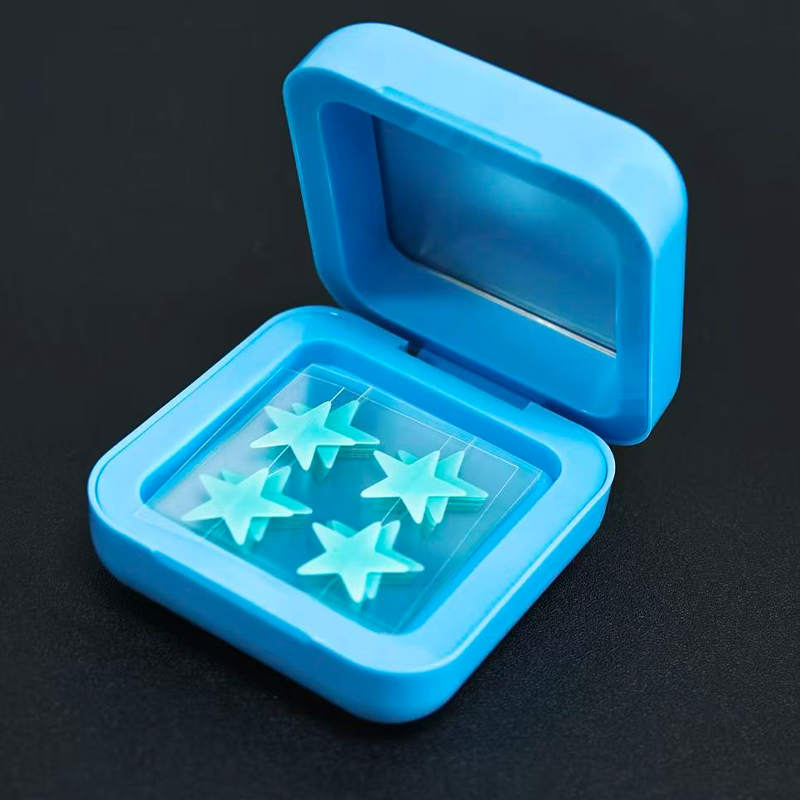
For most hydrocolloid patches, wear time is about six to eight hours, often overnight, but the product label should guide your decision. A pimple patch works by covering a blemish and absorbing surface fluid; it is not meant to stay on indefinitely. The right duration depends on the patch material, the spot, and how your skin responds. As an acne spot treatment, a patch can support a simple routine when used as directed, rather than replacing appropriate cleansing or medical care.

A practical rule is to remove the patch when it turns cloudy or swollen, begins lifting, or reaches the wear limit on its packaging. A blemish patch that is still clear after several hours may not need immediate replacement, while a saturated one has likely done what it can. Since formulas differ, check whether yours is plain hydrocolloid or contains active ingredients. The guidance below explains how to set a sensible schedule, remove a patch gently, and adjust use for different blemishes.
Set a Wear Time That Matches the Patch
Use the material and label as your starting point
Hydrocolloid is commonly used in a pimple patch to absorb fluid from a surface-level blemish while creating a physical cover. Many products are designed for several hours or overnight, but recommended limits vary. Read the package before applying, especially if the patch includes salicylic acid, tea tree oil, or another active ingredient. An acne spot treatment with actives may have a shorter or more specific schedule than a plain hydrocolloid dressing, so do not assume that all patches can be worn for the same length of time.
Apply the patch to clean, completely dry skin so it can adhere as intended. If the directions allow overnight use, wearing it while you sleep is convenient and reduces unnecessary handling. A pimple patch should feel secure, not painful or intensely tight. If the instructions specify a maximum duration, follow that limit even if the patch still looks unchanged. A blemish patch is a targeted covering, not a product that needs to remain on your face all day to prove it is working.
Read visible changes without overinterpreting them
A hydrocolloid patch can become white or cloudy as it absorbs moisture. That visible change is a useful cue to replace it, but it does not show that a blemish has fully healed or that every acne spot treatment has reached its endpoint. If the patch remains clear and firmly attached, you can generally keep it on until the label’s recommended wear time, provided your skin feels comfortable. Do not extend the session simply because you want a pimple patch to flatten a deeper spot.
Remove a patch sooner if it becomes wet, dirty, loose, or uncomfortable. Sweat, facial oils, and movement can weaken the adhesive, and a lifting edge can catch on clothing or hair. A blemish patch that no longer seals the area is less useful as a cover, so replace it only after cleaning and drying the skin again. With any acne spot treatment, persistent burning, itching, or increasing redness is a reason to stop using it and review the ingredients rather than waiting for the scheduled removal time.
Replace and Remove Patches Gently
Know when a fresh patch is appropriate
After removal, look at both the patch and the skin. If a pimple patch is cloudy or swollen, it has absorbed fluid and can be discarded. Cleanse gently if needed, let the area dry, and apply a fresh patch only if the skin is comfortable and the package permits repeat use. A blemish patch should not be layered on top of another one, and replacing it repeatedly within a short period is unlikely to help if the spot is closed, dry, or irritated. An acne spot treatment works best as part of a measured routine.
There is no need to change a patch at an arbitrary hourly interval if it remains clean, secure, and within the product’s stated wear window. Conversely, do not wait for a full overnight session if the pimple patch has detached or become saturated early. Follow the directions on the specific product, because adhesive strength and patch design can affect how long it stays in place. When a blemish patch is removed, peel it slowly from an edge instead of pulling sharply, particularly on sensitive facial skin.
Protect the skin during repeat use
A clean surface helps a new patch adhere, but vigorous scrubbing can leave the area more irritated. Wash with a mild cleanser, pat dry, and avoid applying oily creams beneath a pimple patch unless the product instructions say otherwise. If you use a separate acne spot treatment, check whether it is compatible with a covering patch; some ingredients can irritate when held against skin. A blemish patch is not a reason to increase the dose of another product or combine several active formulas on the same spot without guidance.
Pause patch use if skin becomes raw, unusually tender, or persistently red. Adhesives and active ingredients can both cause reactions, and repeated application to compromised skin may worsen discomfort. If a pimple patch repeatedly causes irritation, discontinue it and consider discussing the reaction with a qualified clinician. The same caution applies when an acne spot treatment causes a strong or lasting reaction. A patch should make covering a small blemish more manageable, not create a cycle of irritation and reapplication.
Adjust Use to the Type of Blemish
Surface spots and deeper blemishes need different expectations
Hydrocolloid is generally most useful on an open or draining surface blemish, where it can absorb fluid. It is less likely to make a deep, closed bump disappear simply by staying on longer. For that kind of spot, a pimple patch may mainly discourage touching and provide a discreet cover. Do not press or puncture the blemish to make an acne spot treatment seem more effective. If the spot is painful, recurring, or extensive, a patch may not address the underlying issue, and professional advice may be more appropriate.
A medicated patch has a different purpose from a plain hydrocolloid cover. Its ingredients and instructions determine how long it should remain in place, so check the label instead of automatically wearing it overnight. A blemish patch containing an active ingredient may be unsuitable for frequent use or for sensitive skin. If the directions say to remove it after a set period, do so even when it still appears intact. Do not treat a pimple patch as a substitute for a broader skin-care plan when breakouts are persistent.
Fit the schedule to daily routines and skin response
For daytime use, wear a pimple patch while it remains comfortable and secure, then remove or replace it according to the instructions. If makeup, perspiration, or frequent face touching loosens it, a fresh application may be more sensible than leaving a lifted edge in place. A blemish patch can be convenient during work or travel, but it should not interfere with normal skin care or conceal worsening irritation. Keep the acne spot treatment schedule simple enough to follow consistently.
At night, an overnight session can fit the recommended wear window for many hydrocolloid products. In the morning, remove the patch gently and assess the skin instead of automatically applying another. If the area is calm but still needs coverage, use a new pimple patch only as directed. If redness or discomfort has developed, let the skin rest. This approach makes wear time responsive to the product and your skin, rather than relying on a fixed schedule that may not suit every blemish patch.
FAQ
Can I wear a patch longer than eight hours?
Only if the product instructions permit it and your skin remains comfortable. Some hydrocolloid products allow overnight wear, while others specify a shorter maximum. Remove a pimple patch that is saturated, lifting, or irritating your skin, and do not extend an acne spot treatment session beyond its label guidance.
Should I replace a patch as soon as it turns white?
Cloudiness often means a hydrocolloid patch has absorbed moisture, so removal is reasonable. Clean and dry the area before using another if needed and allowed. A blemish patch turning white does not confirm that the spot is healed, and repeated replacement is unnecessary if the skin is already irritated.
Is overnight wear suitable for every acne patch?
No. Overnight use may suit some plain hydrocolloid patches, but medicated products can have different limits. Read the label for the specific acne spot treatment, and stop use if you notice a reaction. If blemishes are persistent or painful, seek advice rather than relying only on a pimple patch.
