
 EN
EN

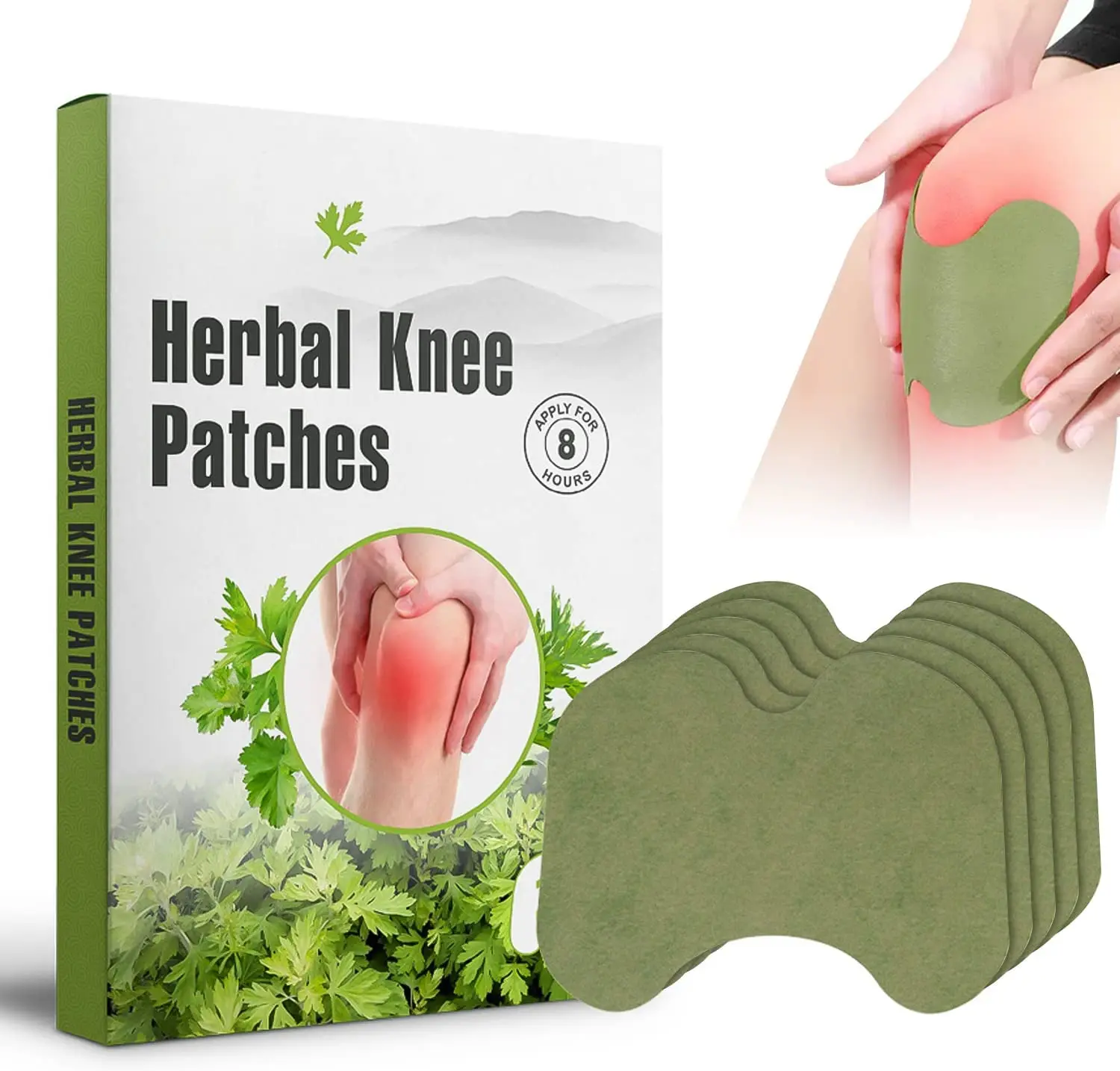
Chronic knee discomfort affects millions of people worldwide, limiting mobility and reducing quality of life. Traditional pain management approaches often involve oral medications that can cause systemic side effects or provide only temporary relief. A knee pain relief patch offers a revolutionary alternative that delivers targeted therapeutic benefits directly to the affected area. These innovative transdermal solutions combine convenience with effectiveness, allowing users to experience sustained comfort while maintaining their daily activities. The localized delivery system ensures that active ingredients penetrate deep into joint tissues, providing relief exactly where it's needed most.
Understanding the Science Behind Transdermal Pain Relief Technology
Mechanism of Topical Drug Delivery
The effectiveness of a knee pain relief patch lies in its sophisticated transdermal delivery system that allows therapeutic compounds to penetrate the skin barrier. This technology utilizes specialized carriers and enhancers that facilitate the absorption of active ingredients through the dermal layers. Unlike oral medications that must travel through the digestive system and bloodstream, topical patches deliver therapeutic agents directly to the targeted tissue. The controlled-release mechanism ensures sustained drug delivery over extended periods, typically ranging from 8 to 12 hours per application.
Modern patch formulations incorporate multiple penetration enhancers that temporarily modify the skin's permeability without causing damage. These enhancers work synergistically with the active ingredients to optimize bioavailability at the application site. The result is a highly efficient delivery system that maximizes therapeutic benefits while minimizing systemic exposure and potential side effects. This targeted approach makes the knee pain relief patch particularly suitable for individuals seeking localized treatment without the complications associated with systemic medications.
Active Ingredient Profiles and Their Therapeutic Effects
Contemporary knee pain relief patch formulations feature a diverse array of active ingredients, each contributing specific therapeutic properties. Common components include menthol for cooling sensation and immediate relief, capsaicin for long-term pain reduction through nerve desensitization, and anti-inflammatory compounds that address underlying tissue inflammation. Many patches also incorporate herbal extracts such as arnica, wintergreen, and eucalyptus, which have been traditionally used for their analgesic and anti-inflammatory properties.
The synergistic combination of these ingredients creates a multi-modal approach to pain management. While some components provide immediate sensory relief through counterirritant mechanisms, others work to address the underlying inflammatory processes that contribute to chronic knee pain. This comprehensive approach ensures that users experience both immediate comfort and sustained therapeutic benefits throughout the wear period of each knee pain relief patch.
Clinical Applications and Effectiveness in Knee Pain Management
Treating Various Types of Knee Pain Conditions
The versatility of a knee pain relief patch makes it suitable for addressing various types of knee discomfort, from acute injuries to chronic degenerative conditions. Athletes frequently utilize these patches for managing sports-related injuries, including muscle strains, ligament sprains, and post-exercise soreness. The patches provide continuous relief during recovery periods without interfering with training schedules or requiring frequent medication dosing. For individuals with arthritis, regular application of knee pain relief patch products can significantly improve daily comfort and mobility.
Age-related knee pain, often resulting from cartilage wear and joint stiffness, responds well to the sustained therapeutic action provided by patch technology. The continuous delivery of anti-inflammatory and analgesic compounds helps maintain joint function and reduces the progressive discomfort associated with degenerative conditions. Additionally, the knee pain relief patch proves effective for managing post-surgical pain and supporting rehabilitation efforts following knee procedures.
Evidence-Based Outcomes and Patient Satisfaction
Clinical studies demonstrate significant efficacy of topical pain relief patches in reducing knee pain intensity and improving functional outcomes. Research indicates that patients using a knee pain relief patch experience comparable pain reduction to oral analgesics while reporting fewer adverse effects. The convenience factor significantly contributes to treatment compliance, as patients appreciate the ability to apply the patch and continue with their daily activities without interruption.
Long-term studies reveal that regular use of knee pain relief patch products can lead to improved quality of life scores and reduced reliance on systemic pain medications. Patients consistently report high satisfaction levels with the convenience, effectiveness, and minimal side effect profile of patch-based therapy. The ability to maintain pain relief throughout the night particularly benefits individuals whose sleep is disrupted by knee discomfort.
Proper Application Techniques and Usage Guidelines
Optimal Placement and Preparation Methods
Achieving maximum benefit from a knee pain relief patch requires proper application technique and skin preparation. The treatment area should be cleaned and dried thoroughly before patch application to ensure optimal adhesion and drug absorption. Users should avoid applying lotions, oils, or other topical products to the area immediately before patch placement, as these substances can interfere with the adhesive properties and drug penetration.
The patch should be positioned directly over the most painful area of the knee, ensuring complete contact between the adhesive surface and skin. Gentle pressure applied for 10-15 seconds helps establish secure adhesion and initiates the drug release mechanism. For best results, the knee pain relief patch should remain undisturbed for the recommended duration, typically 8-12 hours depending on the specific product formulation.
Duration and Frequency Recommendations
Most knee pain relief patch products are designed for once or twice daily application, depending on the concentration of active ingredients and the severity of symptoms. Users should follow manufacturer guidelines regarding maximum daily usage to avoid potential skin irritation or systemic absorption concerns. The patch should be removed after the recommended wear time to allow the skin to rest and prevent adhesive-related complications.
For chronic conditions, many individuals find success with alternating application sites to minimize skin irritation while maintaining consistent pain relief. A typical regimen might involve applying a new knee pain relief patch every 8-12 hours, rotating between different areas around the knee joint. This approach ensures continuous therapeutic coverage while allowing previously treated skin areas to recover between applications.
Advantages Over Traditional Pain Management Methods
Systemic Safety and Reduced Side Effects
One of the most significant advantages of using a knee pain relief patch is the dramatically reduced risk of systemic side effects compared to oral pain medications. Traditional analgesics and anti-inflammatory drugs can cause gastrointestinal upset, cardiovascular complications, and liver or kidney stress with prolonged use. The localized delivery system of patches minimizes systemic absorption, making them safer for long-term use and suitable for individuals with contraindications to oral medications.
The targeted approach eliminates many of the drug interactions commonly associated with oral pain medications. Patients taking multiple medications for various conditions can often safely add a knee pain relief patch to their treatment regimen without concern for significant drug interactions. This safety profile makes patches particularly valuable for elderly patients who may be taking multiple medications and are at higher risk for adverse drug reactions.
Convenience and Lifestyle Integration
The convenience factor of a knee pain relief patch cannot be overstated in terms of improving treatment compliance and quality of life. Unlike oral medications that require precise timing and frequent dosing throughout the day, patches provide continuous relief with a single application. This eliminates the need to interrupt work, sleep, or recreational activities to take medication, making pain management seamless and unobtrusive.
The discreet nature of patch therapy allows users to maintain their normal appearance and activities without visible signs of pain management. The thin, flexible design of modern knee pain relief patch products ensures comfort during movement and can be worn under clothing without detection. This discretion is particularly important for professionals and active individuals who prefer to manage their pain privately while maintaining their regular routines.
Special Considerations and Safety Guidelines
Identifying Suitable Candidates for Patch Therapy
While a knee pain relief patch offers benefits for most individuals with knee discomfort, certain populations require special consideration before initiating treatment. Pregnant and breastfeeding women should consult healthcare providers before using any topical pain relief products, as some active ingredients may have unknown effects on fetal development or nursing infants. Individuals with sensitive skin or known allergies to adhesives should perform patch testing on a small skin area before full application.
Patients with open wounds, cuts, or skin infections in the treatment area should avoid patch application until the skin has healed completely. The occlusive nature of patch adhesives can potentially worsen existing skin conditions or impede natural healing processes. Additionally, individuals taking blood-thinning medications should consult their healthcare provider before using knee pain relief patch products containing certain herbal ingredients that may have anticoagulant properties.
Recognizing and Managing Potential Adverse Reactions
Although generally well-tolerated, a knee pain relief patch can occasionally cause localized skin reactions in sensitive individuals. Common adverse reactions include mild redness, itching, or irritation at the application site, which typically resolve quickly after patch removal. Users should discontinue use and consult a healthcare provider if severe skin reactions, persistent irritation, or systemic symptoms develop.
To minimize the risk of adverse reactions, users should rotate application sites and allow adequate recovery time between applications. If skin irritation occurs, applying a cool, damp cloth to the affected area can provide relief. Individuals experiencing their first adverse reaction to a knee pain relief patch should document the specific product and ingredients involved to avoid similar formulations in the future.
FAQ
How long does a knee pain relief patch take to provide noticeable pain relief
Most users begin experiencing pain relief within 15-30 minutes of applying a knee pain relief patch, as the initial active ingredients begin penetrating the skin. However, maximum therapeutic benefit typically occurs within 2-4 hours as the sustained-release mechanism delivers the full complement of active ingredients to the targeted tissues. The duration of relief varies depending on the specific formulation and individual response, but most patches provide effective pain management for 8-12 hours per application.
Can I wear a knee pain relief patch while exercising or during physical activities
Yes, most knee pain relief patch products are designed to remain secure during moderate physical activity, including light exercise and daily movements. The adhesive formulations are typically sweat-resistant and flexible enough to accommodate joint movement without losing effectiveness. However, intense physical activity or excessive sweating may compromise patch adhesion and should be avoided. It's recommended to apply a fresh patch after completing strenuous activities to ensure optimal therapeutic benefit.
Are there any medications that interact with topical knee pain relief patches
While topical patches have significantly fewer drug interactions than oral medications, some interactions are possible, particularly with blood-thinning medications and certain herbal ingredients commonly found in knee pain relief patch formulations. Patients taking warfarin, aspirin, or other anticoagulants should consult their healthcare provider before using patches containing wintergreen, arnica, or other herbs with potential anticoagulant properties. Additionally, individuals using other topical medications on the same area should discuss timing and application strategies with their healthcare provider.
How should I store knee pain relief patches to maintain their effectiveness
Proper storage is essential for maintaining the therapeutic effectiveness of a knee pain relief patch. Patches should be stored in their original packaging in a cool, dry place away from direct sunlight and heat sources. Exposure to extreme temperatures can affect both the adhesive properties and the stability of active ingredients. Most patches remain effective for 2-3 years when stored properly, but users should always check expiration dates before application. Once opened, individual patches should be used immediately to prevent loss of adhesive strength and therapeutic potency.
Table of Contents
- Understanding the Science Behind Transdermal Pain Relief Technology
- Clinical Applications and Effectiveness in Knee Pain Management
- Proper Application Techniques and Usage Guidelines
- Advantages Over Traditional Pain Management Methods
- Special Considerations and Safety Guidelines
-
FAQ
- How long does a knee pain relief patch take to provide noticeable pain relief
- Can I wear a knee pain relief patch while exercising or during physical activities
- Are there any medications that interact with topical knee pain relief patches
- How should I store knee pain relief patches to maintain their effectiveness
