
 EN
EN
Managing knee pain effectively requires understanding the proper storage and application techniques for therapeutic patches designed to address joint discomfort. A knee pain relief patch offers targeted therapy that can significantly reduce inflammation and provide sustained comfort when used correctly. The effectiveness of these patches depends heavily on proper storage conditions, correct application methods, and adherence to recommended usage guidelines that maximize therapeutic benefits.
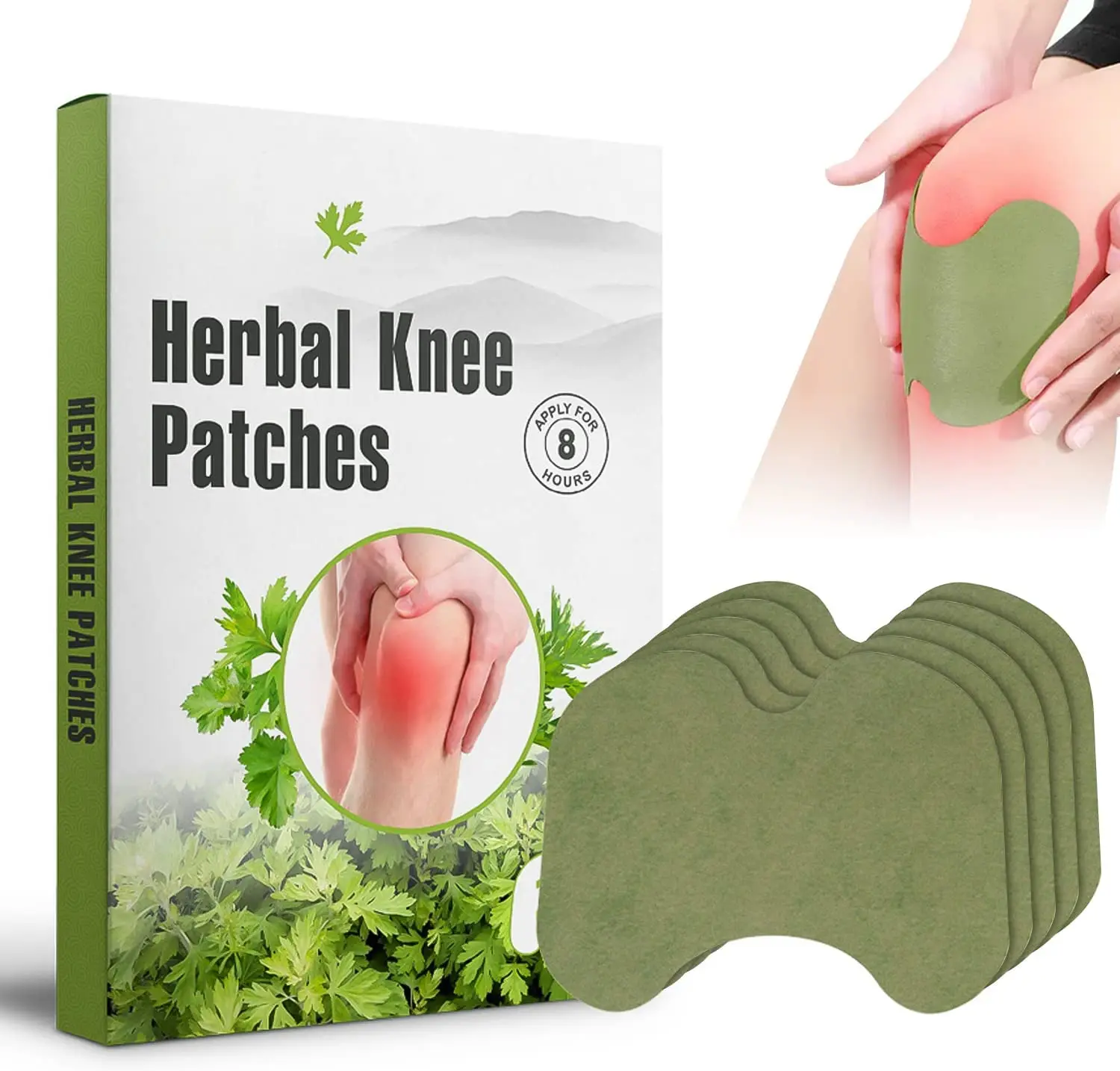
The therapeutic success of any knee pain relief patch relies on maintaining the integrity of its active ingredients through appropriate storage practices. Temperature fluctuations, humidity exposure, and improper handling can compromise the patch's adhesive properties and reduce the potency of herbal or pharmaceutical compounds. Understanding these storage requirements ensures that each patch delivers consistent relief throughout its intended shelf life.
Professional healthcare providers emphasize that proper application techniques significantly enhance the therapeutic outcomes of topical pain relief solutions. The skin preparation process, patch positioning, and duration of wear all contribute to the overall effectiveness of the treatment. These factors become particularly important for individuals dealing with chronic knee conditions that require ongoing management strategies.
Essential Storage Requirements for Maximum Potency
Temperature Control and Environmental Conditions
Maintaining optimal storage temperatures between 59°F and 77°F (15°C to 25°C) preserves the active ingredients in your knee pain relief patch. Extreme temperatures can cause the adhesive backing to deteriorate or the therapeutic compounds to break down, reducing their effectiveness. Store patches in a cool, dry location away from direct sunlight and heat sources such as radiators, heating vents, or automotive interiors.
Humidity levels should remain below 60% to prevent moisture from compromising the patch's adhesive qualities and potentially promoting bacterial growth. Bathroom storage is generally unsuitable due to steam and humidity from showers and baths. Instead, consider using a bedroom dresser drawer or a dedicated medicine cabinet in a climate-controlled area of your home.
Refrigeration is typically unnecessary and may actually harm certain formulations unless specifically recommended by the manufacturer. Cold temperatures can make the adhesive less pliable and more difficult to apply smoothly to the skin surface. Always consult the product packaging for manufacturer-specific storage recommendations that may vary based on the particular formulation.
Proper Packaging and Container Management
Keep each knee pain relief patch in its original sealed packaging until ready for use to maintain sterility and prevent contamination. The individual wrapper serves as a barrier against environmental factors that could compromise the patch's integrity. Opening packages prematurely exposes the adhesive surface to dust, lint, and airborne particles that may reduce adherence.
Store unopened patches in their original box or container to protect against physical damage and maintain organization. The packaging often includes important information about batch numbers, expiration dates, and specific storage instructions that may be needed for reference. Consider using a small storage box or drawer organizer to keep patches easily accessible while protecting them from being crushed or bent.
Avoid transferring patches to pill organizers or other containers not designed for adhesive products. These alternative storage methods may expose the patches to inappropriate conditions or cause them to stick to unintended surfaces. The original packaging provides the optimal environment for maintaining product quality until application.
Pre-Application Skin Preparation Techniques
Cleansing and Surface Preparation
Thoroughly clean the knee area with mild soap and water before applying any knee pain relief patch to ensure optimal adhesion and reduce the risk of skin irritation. Remove all traces of lotions, oils, dirt, and dead skin cells that could create barriers between the patch and your skin. Pat the area completely dry with a clean towel, as moisture can prevent proper adherence.
Avoid using alcohol-based cleansers or harsh scrubbing motions that might irritate the skin or create micro-abrasions. Gentle cleansing with lukewarm water and a mild, fragrance-free soap provides adequate preparation without causing skin sensitivity. Allow the skin to air dry for several minutes after cleansing to ensure no residual moisture remains.
For individuals with particularly oily skin, a gentle astringent may be used sparingly to remove excess sebum, but this should be followed by a brief waiting period before patch application. The goal is to create a clean, dry surface that allows the knee pain relief patch to adhere properly while maintaining skin health.
Identifying Optimal Placement Areas
Select smooth, relatively flat areas of skin around the knee joint that will maintain consistent contact with the patch throughout normal movement. Avoid placing patches directly over bony prominences, deep creases, or areas where clothing seams might cause rubbing. The ideal location allows the patch to conform naturally to your body's contours without bunching or lifting at the edges.
Consider the specific area of pain when determining patch placement for your knee pain relief patch. Some formulations work best when applied directly over the point of discomfort, while others provide broader coverage when positioned slightly adjacent to the painful area. Follow manufacturer guidelines for optimal positioning based on your particular product's design and intended mechanism of action.
Rotate application sites if using patches regularly to prevent skin irritation or sensitization. This practice allows previously used areas to recover while maintaining consistent therapeutic coverage. Keep a simple log or mental note of patch locations to ensure proper rotation and avoid overusing any single area of skin.
Correct Application Methods for Enhanced Effectiveness
Step-by-Step Application Process
Remove the knee pain relief patch from its packaging using clean, dry hands to avoid transferring oils or contaminants to the adhesive surface. Carefully peel away one section of the protective backing, taking care not to touch the adhesive side of the patch. Position this exposed section on the prepared skin area and gently press to establish initial contact.
Gradually remove the remaining protective backing while simultaneously smoothing the patch onto the skin surface. Work from the center outward to eliminate air bubbles that could reduce adhesion or create uncomfortable lumps under clothing. Apply firm, even pressure across the entire surface for 10-15 seconds to ensure proper adherence.
Avoid stretching or distorting the patch during application, as this can create tension that may cause premature lifting or discomfort during wear. The patch should lie flat against the skin without wrinkles or folds that could compromise its effectiveness. If the patch doesn't adhere properly on the first attempt, remove it and clean the area again rather than attempting to reposition it multiple times.
Ensuring Secure Adhesion and Comfort
Press firmly around the edges of the knee pain relief patch to create a secure seal that will withstand normal daily activities. Pay particular attention to corners and edges, as these areas are most susceptible to lifting during movement. The patch should feel comfortable and secure without causing skin pulling or restrictions in movement.
Test the patch's adherence by gently moving the knee through its normal range of motion immediately after application. The patch should remain flat and securely attached without bunching or shifting. If you notice any lifting or movement of the patch, address these issues immediately by pressing the affected areas or considering repositioning if necessary.
Monitor the application site for the first hour after applying your knee pain relief patch to ensure compatibility and proper adhesion. Some individuals may experience initial mild tingling or warmth, which is typically normal for many formulations. However, excessive redness, itching, or discomfort may indicate skin sensitivity requiring patch removal.
Optimal Usage Duration and Frequency Guidelines
Recommended Wear Times for Different Formulations
Most knee pain relief patch products are designed for 8-12 hour wear periods, allowing for convenient overnight application or full-day coverage during active periods. However, specific wear times vary significantly based on the active ingredients, patch design, and individual skin sensitivity. Always follow manufacturer recommendations for your particular product to avoid overexposure or reduced effectiveness.
Extended wear beyond recommended timeframes may lead to skin irritation, reduced therapeutic benefits, or adhesive residue buildup. Some fast-acting formulations may provide optimal benefits within shorter timeframes, while others require longer contact periods to achieve full therapeutic effect. Understanding your specific patch type ensures you maximize benefits while minimizing potential side effects.
Consider your daily activity level when planning wear duration for your knee pain relief patch. High-activity periods may require more frequent monitoring to ensure the patch remains properly positioned, while sedentary periods may allow for extended comfortable wear. Adjust timing based on your lifestyle and comfort level while staying within recommended guidelines.
Frequency of Application and Rest Periods
Allow your skin to rest for at least 2-4 hours between applications of any knee pain relief patch to prevent irritation and maintain skin health. This rest period allows the skin to breathe and recover from the adhesive contact while preventing the buildup of potentially irritating compounds. Use this time to assess the effectiveness of the previous application and plan for optimal timing of the next dose.
Most healthcare providers recommend using patches no more than 3-4 times per week for extended periods to prevent skin sensitization or tolerance development. However, acute pain episodes may warrant more frequent use under professional guidance. Monitor your pain levels and skin condition to determine the most appropriate frequency for your individual needs.
Document your usage patterns and effectiveness to identify optimal application schedules that provide consistent relief while maintaining skin comfort. Some individuals find alternating between morning and evening applications most effective, while others prefer consistent timing to maintain steady therapeutic levels. Experiment within safe guidelines to find your ideal routine.
Removal Techniques and Aftercare Considerations
Safe and Comfortable Removal Methods
Remove your knee pain relief patch slowly and gently to minimize skin irritation and discomfort. Start at one corner and peel back gradually while supporting the skin with your other hand to prevent excessive pulling or stretching. If the patch resists removal, apply a small amount of warm water or oil around the edges to help soften the adhesive.
Never tear or rip a patch off quickly, as this can cause skin damage, leave adhesive residue, or create micro-tears that increase infection risk. Patience during removal protects your skin integrity and ensures comfort throughout the process. If you experience significant discomfort during removal, pause and allow any applied moisture to work before continuing gently.
For individuals with sensitive skin or excessive hair in the application area, consider trimming hair short before application to facilitate easier removal. This preparation step reduces discomfort and prevents hair pulling during the removal process. Some users find that applying the patch in the same direction as hair growth makes removal more comfortable.
Post-Removal Skin Care and Assessment
Inspect the skin area after removing your knee pain relief patch for any signs of irritation, redness, or allergic reaction. Mild skin marking from the adhesive edge is normal and typically fades within 30 minutes to an hour. However, persistent redness, itching, or raised areas may indicate sensitivity requiring medical attention.
Clean the application site gently with lukewarm water and mild soap to remove any adhesive residue or accumulated oils. Pat dry thoroughly and allow the skin to breathe before applying moisturizer if needed. Avoid harsh scrubbing or chemical removers that might further irritate skin that has been under adhesive coverage.
Apply a gentle, fragrance-free moisturizer if the skin appears dry or slightly irritated after patch removal. This helps restore the skin's natural barrier function and prevents excessive dryness that could lead to discomfort during future applications. Monitor the area for 24 hours after removal to ensure no delayed reactions develop.
Troubleshooting Common Application Issues
Addressing Poor Adhesion Problems
Poor adhesion of your knee pain relief patch often results from inadequate skin preparation, environmental factors, or product storage issues. If patches consistently fail to stick properly, review your cleansing routine to ensure complete removal of lotions, oils, and soap residues that create barriers to adhesion. Consider waiting longer after showering or bathing before application to allow skin oils to normalize.
Environmental humidity can significantly affect patch adhesion, particularly in bathroom settings or during humid weather conditions. Apply patches in a dry environment when possible and ensure the application area is completely moisture-free. Using a hair dryer on cool setting can help eliminate residual moisture without overheating the skin.
Check the storage conditions of your patches if adhesion problems persist, as heat exposure or age can compromise adhesive quality. Patches stored in hot cars, direct sunlight, or humid environments may lose their sticking ability even before their expiration date. Replace patches that have been improperly stored to ensure optimal performance.
Managing Skin Sensitivity and Reactions
Skin sensitivity to knee pain relief patch components can develop even after successful previous use, making ongoing monitoring essential for safe application. Initial signs include mild itching, redness, or tingling that may progress to more severe reactions if ignored. Remove the patch immediately if you experience burning sensations, severe itching, or spreading redness.
Test new products or formulations on a small skin area before full application to identify potential sensitivities. Apply a small piece of the patch to your inner wrist or upper arm for 30 minutes and monitor for reactions. This preliminary test can prevent more extensive skin reactions on the knee area where removal might be more challenging.
For individuals with known skin sensitivities, consider using patches with natural or hypoallergenic formulations that reduce the likelihood of adverse reactions. Consult with healthcare providers about appropriate alternatives if standard formulations cause consistent problems. Keep antihistamines available when trying new products to address mild reactions promptly.
FAQ
How long can I store knee pain relief patches before they expire
Most knee pain relief patches maintain their effectiveness for 2-3 years when stored properly in cool, dry conditions away from direct sunlight. Check the expiration date printed on the packaging and avoid using patches beyond this date, as the active ingredients may degrade and the adhesive properties may deteriorate. Proper storage in original packaging at room temperature helps ensure patches remain effective throughout their shelf life.
Can I shower or bathe while wearing a knee pain relief patch
Most modern knee pain relief patches are designed to be water-resistant and can withstand brief exposure to water during showering. However, prolonged soaking in baths or hot tubs may compromise adhesion and reduce effectiveness. Pat the patch area dry gently after water exposure and monitor for lifting or reduced adherence that may require replacement of the patch.
What should I do if the patch causes skin irritation
Remove the knee pain relief patch immediately if you experience significant skin irritation, persistent redness, or allergic reaction symptoms. Clean the area gently with mild soap and water, apply a cool compress if needed, and avoid reapplying patches to the affected area until the skin fully recovers. Consult healthcare providers if reactions are severe or persistent, as you may need alternative pain management approaches.
Is it safe to cut patches to fit smaller areas
Cutting knee pain relief patches is generally not recommended as it may compromise the controlled release mechanism and create uneven medication distribution. The patches are designed as complete units with specific dosing and release patterns that cutting may disrupt. If you need smaller coverage areas, look for patches specifically designed in smaller sizes rather than modifying standard-sized products.
