
 EN
EN
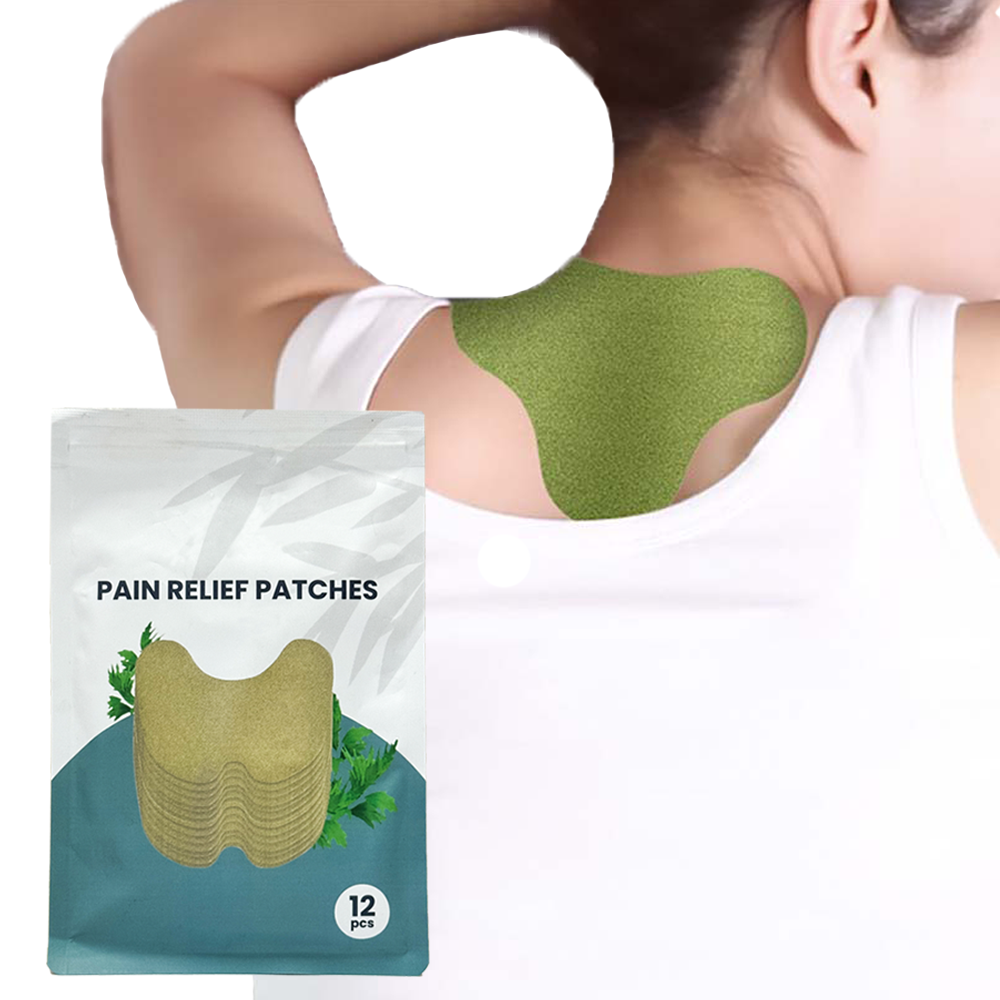
Chronic neck and back discomfort affects millions of people worldwide, impacting their daily activities and overall quality of life. While traditional oral medications and invasive procedures have long been the go-to solutions, pain relief patches have emerged as an innovative and effective alternative for managing localized pain. These topical therapeutic devices deliver targeted relief directly to the affected area, offering a convenient and non-invasive approach to pain management that appeals to both healthcare professionals and patients seeking immediate comfort.
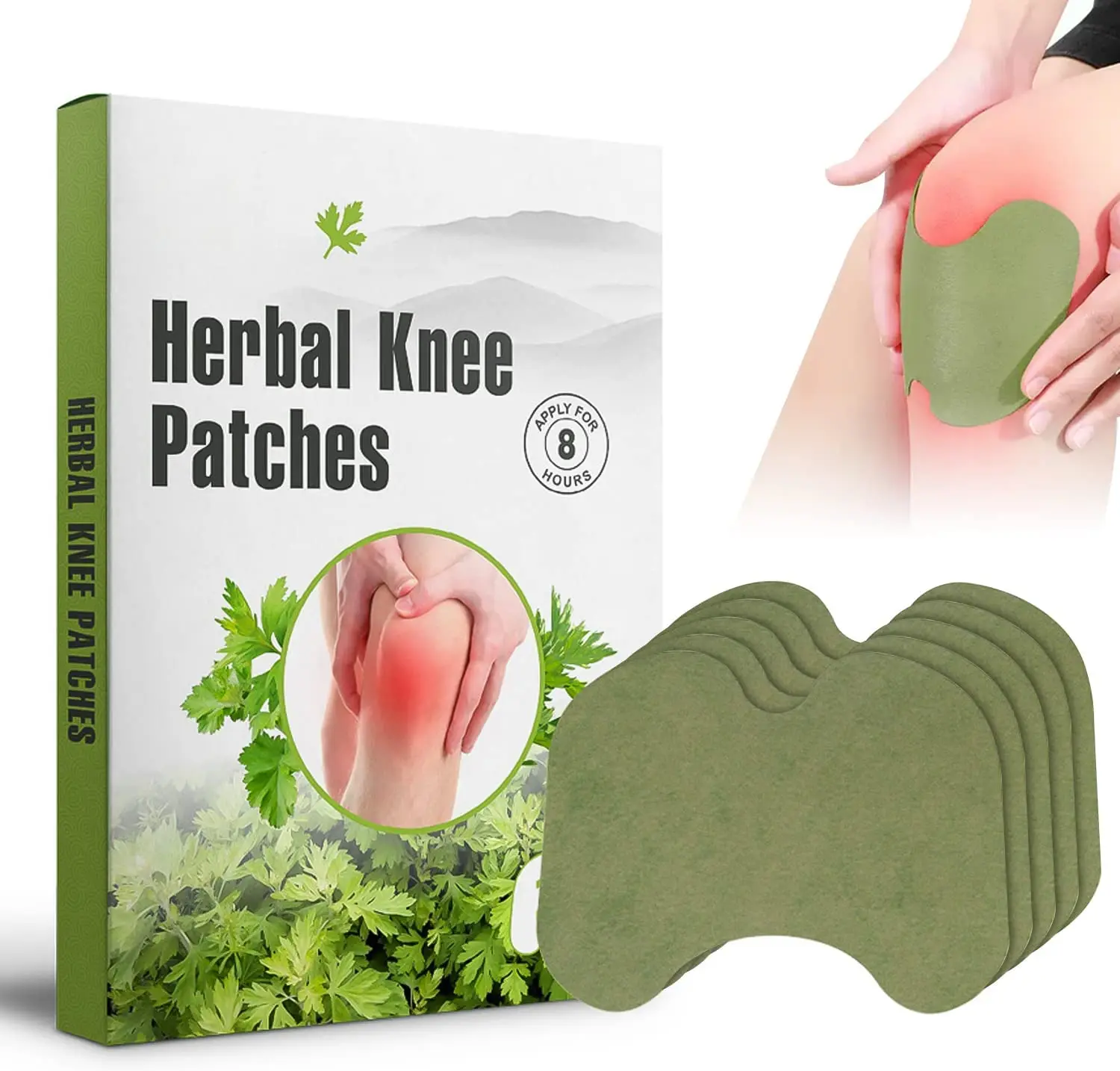
The science behind transdermal pain relief involves sophisticated drug delivery mechanisms that bypass the digestive system and provide sustained therapeutic benefits. Modern patches utilize advanced adhesive technologies and controlled-release formulations to ensure optimal medication absorption through the skin barrier. This targeted approach minimizes systemic side effects while maximizing local therapeutic concentration, making it particularly suitable for individuals who experience gastrointestinal sensitivity from oral pain medications or prefer localized treatment options.
Understanding the Mechanism of Transdermal Pain Relief
How Skin Absorption Works
The skin serves as a natural barrier, but specialized formulations in therapeutic patches can penetrate through multiple dermal layers to reach underlying tissues. The stratum corneum, the outermost layer of skin, presents the primary challenge for drug penetration. However, modern patch technologies employ penetration enhancers and optimized particle sizes to facilitate effective absorption. These formulations work by temporarily altering the skin's permeability, allowing active ingredients to pass through and accumulate in deeper tissues where inflammation and pain typically originate.
Temperature and moisture levels significantly influence absorption rates, which is why manufacturers design patches with heat-activated compounds or moisture-permeable backing materials. The controlled environment created beneath the patch maintains optimal conditions for sustained drug release over extended periods. This mechanism ensures that therapeutic concentrations remain consistent, providing continuous relief without the peak-and-valley effect common with oral medications that require frequent dosing throughout the day.
Active Ingredient Distribution
Once absorbed, active ingredients distribute through local tissue networks via capillary circulation and lymphatic pathways. This localized distribution pattern concentrates therapeutic effects precisely where they are needed most, rather than diluting throughout the entire bloodstream. The result is enhanced efficacy at lower dosages, reducing the potential for systemic adverse reactions while maintaining therapeutic benefits. Different active ingredients have varying molecular weights and solubility characteristics that influence their distribution patterns and duration of action.
Anti-inflammatory compounds, analgesics, and muscle relaxants commonly found in therapeutic patches each follow distinct pharmacokinetic pathways once they penetrate the skin barrier. Some ingredients provide immediate surface-level relief, while others gradually accumulate in deeper muscle and joint tissues over several hours. This multi-layered approach to pain management addresses different aspects of discomfort simultaneously, creating a comprehensive therapeutic effect that addresses both acute symptoms and underlying inflammatory processes.
Types and Classifications of Therapeutic Patches
Prescription-Grade Medical Patches
Prescription therapeutic patches contain potent pharmaceutical ingredients that require medical supervision and are typically reserved for severe or chronic pain conditions. These advanced formulations may include opioid analgesics, high-concentration NSAIDs, or specialized compounds designed for specific pain pathologies. Healthcare providers carefully evaluate patient medical histories, current medications, and pain severity levels before prescribing these powerful therapeutic options, ensuring appropriate usage and monitoring for potential interactions or adverse effects.
The manufacturing standards for prescription patches adhere to strict pharmaceutical regulations, ensuring consistent potency, sterility, and quality control throughout the production process. Clinical trials and extensive testing validate their safety and efficacy profiles before regulatory approval. These patches often feature sophisticated delivery systems, including rate-controlling membranes, drug reservoirs, and specialized adhesive matrices that provide precise dosing control and extended wear times of up to several days per application.
Over-the-Counter Topical Solutions
Consumer-accessible therapeutic patches offer a convenient entry point for individuals experiencing mild to moderate neck and back discomfort. These products typically contain lower concentrations of active ingredients such as menthol, camphor, capsaicin, or salicylates that provide cooling, warming, or anti-inflammatory effects. The accessibility and ease of use make them popular choices for occasional pain management, athletic recovery, and minor injury treatment without requiring medical consultation or prescription authorization.
Manufacturing processes for over-the-counter options focus on user safety and broad applicability, incorporating gentle formulations suitable for sensitive skin types and extended wear periods. Quality control measures ensure consistent ingredient distribution and adhesive performance, while packaging designs prioritize convenience and portability. These patches often feature user-friendly application instructions and clear labeling regarding duration of use, potential side effects, and circumstances requiring medical attention.
Clinical Applications for Neck and Back Pain Management
Acute Injury Response and Recovery
Immediate application of therapeutic patches following acute neck or back injuries can significantly reduce inflammation and provide rapid pain relief during the critical initial recovery period. Sports medicine professionals and physical therapists frequently recommend patch therapy as part of comprehensive treatment protocols that include rest, ice, compression, and elevation. The continuous delivery of anti-inflammatory agents helps control swelling and tissue damage progression while supporting the body's natural healing processes.
Research demonstrates that early intervention with topical therapies can reduce recovery time and prevent the development of chronic pain patterns that sometimes follow acute injuries. The convenience of patch application allows individuals to maintain active lifestyles while receiving continuous treatment, eliminating the need for frequent oral medication dosing that may interfere with work or recreational activities. This approach particularly benefits athletes and active individuals who require rapid return to full functionality.
Chronic Pain Management Strategies
Long-term neck and back pain conditions require sustained therapeutic approaches that minimize side effects while providing consistent relief. Pain relief patches excel in chronic pain management by delivering steady medication levels without the gastrointestinal irritation, liver metabolism concerns, or dependency risks associated with long-term oral medication use. This makes them particularly valuable for elderly patients or individuals with multiple health conditions who require careful medication management.
Healthcare providers often integrate patch therapy into multimodal treatment plans that combine physical therapy, lifestyle modifications, and other conservative interventions. The ability to target specific painful areas while leaving unaffected regions untreated represents a significant advantage in personalized pain management. Patients report improved sleep quality, enhanced daily functioning, and better overall quality of life when consistent pain control is achieved through properly applied therapeutic patches.
Comparative Advantages Over Traditional Pain Management
Reduced Systemic Side Effects
Traditional oral pain medications must pass through the digestive system and liver metabolism, potentially causing gastrointestinal upset, liver stress, or cardiovascular complications with prolonged use. Topical patch delivery bypasses these pathways, significantly reducing systemic exposure while maintaining therapeutic effectiveness at the target site. This localized approach proves especially beneficial for individuals with sensitive stomachs, liver conditions, or cardiovascular risk factors that contraindicate certain oral medications.
Clinical studies consistently demonstrate lower incidence of adverse reactions with transdermal delivery compared to equivalent oral dosages of the same medications. The controlled release mechanism prevents sudden spikes in blood concentrations that can trigger side effects, while the localized action reduces the total amount of medication entering general circulation. This safety profile makes patch therapy suitable for long-term use in chronic pain management scenarios where sustained treatment is necessary.
Enhanced Compliance and Convenience
Patient adherence to pain management regimens improves dramatically with patch therapy due to the convenience of once-daily or less frequent applications compared to multiple daily oral doses. The discrete nature of patches allows individuals to maintain privacy about their pain management while participating in normal social and professional activities. This psychological benefit contributes to overall treatment success by reducing the stigma and inconvenience often associated with visible pain medication use.
Forgetting medication doses becomes less problematic with extended-wear patches that provide continuous therapeutic coverage for 12 to 72 hours depending on the specific formulation. This consistency proves particularly important for pain conditions that worsen with interrupted treatment, such as inflammatory conditions that require steady anti-inflammatory medication levels. The visual reminder of patch presence also helps patients maintain awareness of their treatment schedule and replacement timing.
Application Techniques and Best Practices
Proper Patch Placement and Preparation
Optimal therapeutic outcomes depend heavily on correct patch placement and skin preparation procedures that maximize adhesion and drug absorption. The target area should be clean, dry, and free from lotions, oils, or other topical products that could interfere with patch adhesion or drug penetration. Gentle cleansing with soap and water followed by thorough drying ensures optimal skin conditions for patch application and sustained wear throughout the intended treatment period.
Anatomical considerations play crucial roles in patch placement effectiveness, as areas with adequate blood flow and minimal hair coverage provide superior absorption characteristics. For neck pain, placement on the posterior cervical region or upper trapezius muscles often yields excellent results, while lower back applications benefit from positioning over the lumbar paraspinal muscles or sacroiliac joint regions. Avoiding bony prominences, joint flexion areas, and regions subject to frequent friction helps maintain patch integrity and prevents premature detachment.
Duration and Rotation Guidelines
Following manufacturer-specified wear times prevents skin irritation while ensuring therapeutic effectiveness throughout the intended treatment duration. Most therapeutic patches are designed for 8 to 12-hour wear periods, though some advanced formulations provide effective relief for up to 72 hours per application. Exceeding recommended wear times can lead to skin sensitization, reduced adhesion, or diminished therapeutic benefits as drug reservoirs become depleted.
Site rotation between applications prevents skin irritation and maintains optimal absorption characteristics by allowing previously treated areas to recover between treatments. Documenting application sites and timing helps establish effective rotation schedules, particularly for individuals using patches regularly for chronic pain management. This systematic approach ensures consistent therapeutic benefits while minimizing the risk of developing localized skin reactions or reduced sensitivity to treatment effects.
Safety Considerations and Precautions
Skin Reaction Monitoring
Regular monitoring for skin reactions ensures early detection and prevention of more serious adverse effects that could compromise treatment effectiveness or patient safety. Common signs include redness, itching, swelling, or rash development at the application site, which typically indicate either allergic sensitivity or excessive wear time. Discontinuing use and consulting healthcare providers when these symptoms occur prevents progression to more severe skin conditions that could require medical intervention.
Individual skin sensitivity varies significantly among users, making patch testing advisable for first-time applications, especially for individuals with known allergies or sensitive skin conditions. Applying a small patch section to an inconspicuous area for several hours can reveal potential reactions before full-scale treatment begins. This precautionary approach prevents widespread skin reactions and helps identify suitable formulations for long-term use in chronic pain management scenarios.
Drug Interaction Awareness
Although topical absorption reduces systemic drug levels compared to oral administration, potential interactions with existing medications remain possible, particularly with prescription-strength patches or in individuals taking multiple medications. Healthcare providers should review all current medications, including over-the-counter supplements and topical treatments, before recommending patch therapy to identify potential interaction risks or contraindications that could affect treatment safety or effectiveness.
Specific attention should focus on blood-thinning medications, blood pressure treatments, and other pain management drugs that could have additive effects when combined with transdermal therapy. Regular monitoring and communication with healthcare providers ensures safe combination therapy and allows for dosage adjustments if necessary. This collaborative approach maximizes treatment benefits while maintaining patient safety throughout the pain management process.
FAQ
How long do pain relief patches take to start working?
Most pain relief patches begin providing noticeable relief within 15 to 30 minutes of application, though full therapeutic effects typically develop over 1 to 2 hours as active ingredients penetrate deeper tissue layers. The timeline varies based on patch formulation, individual skin characteristics, and the severity of pain being treated. Some patches designed for immediate relief may work faster, while others focus on sustained release over longer periods.
Can I shower or exercise while wearing a pain relief patch?
Most modern therapeutic patches are designed to be water-resistant and can withstand normal showering and light physical activity. However, excessive sweating, prolonged water exposure, or vigorous exercise may compromise patch adhesion and reduce therapeutic effectiveness. It is generally recommended to avoid hot baths, saunas, or intense workouts while wearing patches, and to replace them if they become loose or damaged during activities.
Are there any age restrictions for using pain relief patches?
Age restrictions vary by patch type and active ingredients, with most over-the-counter options approved for adults and children over 12 years old. Prescription patches may have different age limitations based on their specific formulations and potency levels. Elderly individuals may require adjusted application schedules or different formulations due to changes in skin thickness and absorption characteristics that occur with aging. Always consult healthcare providers for pediatric or geriatric applications.
What should I do if a patch causes skin irritation?
If skin irritation develops, remove the patch immediately and gently clean the area with soap and water. Apply a cool compress to reduce inflammation and avoid applying any other topical products until the irritation subsides. If symptoms persist beyond 24 hours, worsen, or include severe redness, blistering, or spreading rash, seek medical attention promptly. Document the specific patch brand and ingredients to avoid future reactions and inform healthcare providers of the sensitivity.
