
 EN
EN
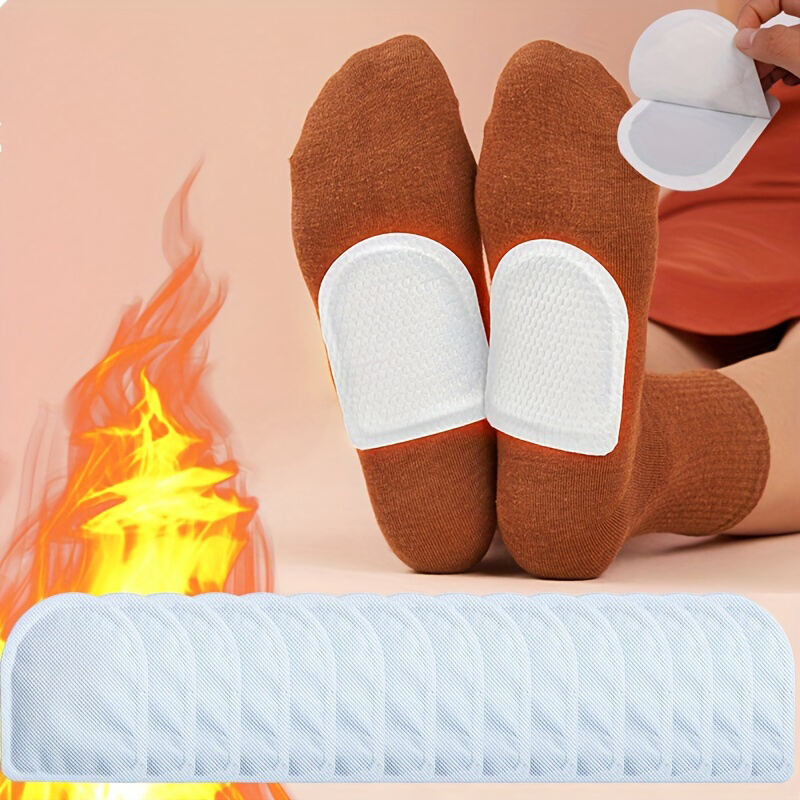
Modern travelers are increasingly discovering the convenience and reliability of portable heating patches for their journeys across diverse climates and challenging conditions. These compact thermal solutions have revolutionized how people maintain comfort during outdoor adventures, business trips, and extended travel periods. The growing popularity stems from their ability to provide instant warmth without requiring batteries, electricity, or bulky equipment that traditional heating methods demand.

Travel enthusiasts and professionals alike have embraced these innovative heat sources as essential gear for maintaining body temperature in unpredictable environments. The shift toward portable heating patches represents a broader trend of travelers seeking lightweight, efficient solutions that enhance their mobility without compromising on essential comfort features.
Understanding Portable Heating Technology
Air-Activated Heat Generation Mechanism
The science behind portable heating patches relies on iron oxidation processes that generate sustained warmth through controlled chemical reactions. When exposed to oxygen, iron powder within the patches undergoes rapid oxidation, creating an exothermic reaction that produces consistent heat output for several hours. This self-contained heating system requires no external power source, making it ideal for remote locations where electrical access remains unavailable.
Advanced formulations include salt, activated carbon, and vermiculite components that regulate temperature distribution and extend heating duration. These materials work synergistically to maintain optimal warmth levels while preventing overheating that could cause discomfort or skin irritation during extended use periods.
Temperature Control and Duration Features
Modern portable heating patches deliver temperatures ranging from 104°F to 158°F, with most models maintaining comfortable warmth between 110°F and 125°F for user safety. The heating duration varies significantly based on patch size, iron content, and environmental conditions, typically lasting between 6 to 12 hours of continuous operation.
Manufacturers have developed various heat intensity levels to accommodate different applications and user preferences. Low-intensity patches provide gentle warmth suitable for sensitive skin areas, while high-intensity versions deliver robust heat output necessary for extreme cold weather conditions or therapeutic applications.
Travel Applications and Use Cases
Cold Climate Travel Solutions
Travelers venturing into mountainous regions, arctic destinations, or winter sports locations rely heavily on portable heating patches to maintain core body temperature and prevent cold-related health issues. These heat sources prove invaluable during skiing expeditions, ice fishing trips, and high-altitude trekking adventures where traditional heating methods become impractical or unavailable.
Business travelers frequently encounter unexpected weather changes during their journeys, particularly when traveling between different climate zones within short timeframes. Portable heating patches provide immediate relief from sudden temperature drops, ensuring comfort during outdoor meetings, extended airport layovers, or delayed transportation scenarios.
Outdoor Activity Enhancement
Camping enthusiasts and backpackers have adopted portable heating patches as lightweight alternatives to heavy sleeping bag systems or fuel-dependent heating equipment. These patches offer targeted warmth for specific body areas, allowing travelers to reduce overall pack weight while maintaining essential thermal comfort throughout their adventures.
Photography professionals and wildlife observers benefit significantly from hand and foot warmers that enable extended periods in cold environments without compromising manual dexterity or equipment operation capabilities. The consistent warmth helps maintain finger flexibility necessary for precise camera controls and equipment adjustments in challenging conditions.
Convenience Factors Driving Adoption
Lightweight and Compact Design Benefits
The ultra-lightweight construction of portable heating patches addresses critical space and weight constraints faced by modern travelers. Individual patches typically weigh less than two ounces, allowing users to carry multiple units without significantly impacting luggage weight limits or backpack capacity restrictions.
Flat, flexible packaging enables easy integration into clothing layers, luggage compartments, or carry-on bags without creating bulk or structural interference. This design advantage makes portable heating patches particularly attractive to minimalist travelers and those adhering to strict baggage weight limitations imposed by airlines or tour operators.
Instant Activation and Ease of Use
Unlike battery-powered heating devices that require charging protocols or fuel-based systems demanding specialized equipment, portable heating patches activate instantly upon exposure to air. This immediate functionality eliminates preparation time and technical knowledge requirements, making them accessible to travelers of all experience levels and technical backgrounds.
The simple activation process involves removing protective packaging and allowing air contact with the heating elements. No switches, buttons, or complex operating procedures interfere with quick deployment, enabling users to achieve warmth within minutes of need identification, regardless of environmental conditions or available lighting.
Economic and Safety Considerations
Cost-Effective Heating Solutions
Portable heating patches offer exceptional value compared to rechargeable heating devices, eliminating recurring electricity costs and battery replacement expenses. The one-time purchase price provides immediate access to hours of reliable warmth without ongoing operational costs or maintenance requirements that characterize electronic heating alternatives.
Bulk purchasing options enable frequent travelers to achieve significant cost savings while ensuring adequate supply availability for extended trip durations. The extended shelf life of unopened patches allows users to stock supplies well in advance of travel dates without concerns about product degradation or performance loss.
Safety Profile and Risk Management
Modern portable heating patches incorporate multiple safety features designed to prevent overheating, skin burns, or accidental activation during storage and transportation. Temperature regulation mechanisms maintain safe heat levels while protective barriers prevent direct skin contact with active heating elements.
The absence of electrical components, flammable fuels, or pressurized systems eliminates fire hazards and explosion risks associated with alternative heating methods. This safety advantage makes portable heating patches particularly suitable for air travel, where strict regulations govern the transport of potentially hazardous heating devices.
Market Trends and Future Developments
Growing Consumer Demand Patterns
Market research indicates substantial growth in portable heating patch sales, driven primarily by increased outdoor recreation participation and adventure travel popularity. Consumer surveys reveal growing awareness of personal thermal management importance during travel, leading to higher adoption rates across diverse demographic segments.
The rise of remote work arrangements has expanded travel frequency among professionals seeking temporary relocation opportunities in various climates. This trend creates sustained demand for portable heating solutions that enable comfortable productivity in diverse environmental conditions without requiring permanent infrastructure modifications.
Innovation and Product Enhancement
Manufacturers continue developing enhanced formulations that extend heating duration while maintaining compact form factors and competitive pricing structures. Recent innovations include biodegradable packaging materials, improved temperature consistency, and specialized shapes designed for specific body areas or application requirements.
Smart packaging technologies now provide clear activation indicators and temperature monitoring capabilities, helping users optimize heating patch deployment and monitor performance throughout the usage period. These enhancements improve user experience while maintaining the fundamental simplicity that makes portable heating patches attractive to travelers.
FAQ
How long do portable heating patches maintain effective warmth
Most portable heating patches provide consistent warmth for 6 to 12 hours depending on size, iron content, and environmental conditions. Larger patches with higher iron concentrations typically offer extended heating duration, while smaller versions provide 6 to 8 hours of reliable warmth. Extreme cold conditions may reduce heating duration slightly due to increased heat loss to the environment.
Are portable heating patches safe for direct skin contact
Quality portable heating patches include protective fabric barriers designed for safe direct skin contact when used according to manufacturer instructions. However, users should monitor skin condition regularly and remove patches if irritation develops. People with sensitive skin, diabetes, or circulation issues should consult healthcare providers before using heating patches and consider using them over thin clothing layers rather than directly on skin.
Can portable heating patches be carried on airplanes
Portable heating patches are generally permitted in both carry-on and checked luggage by most airlines since they contain no hazardous materials or electronic components. However, activated patches may trigger temperature sensors in some screening equipment, so travelers should keep patches in original packaging until needed. It's advisable to check specific airline policies and TSA guidelines before travel to ensure compliance with current regulations.
What makes portable heating patches better than electric heating devices for travel
Portable heating patches offer several advantages over electric alternatives including no battery charging requirements, lighter weight, instant activation capability, and elimination of electrical failure risks. They function reliably in all weather conditions without power source dependencies, making them ideal for remote locations or extended outdoor activities where electrical access remains unavailable. Additionally, they pose no fire hazards or security concerns during air travel.
