
 EN
EN
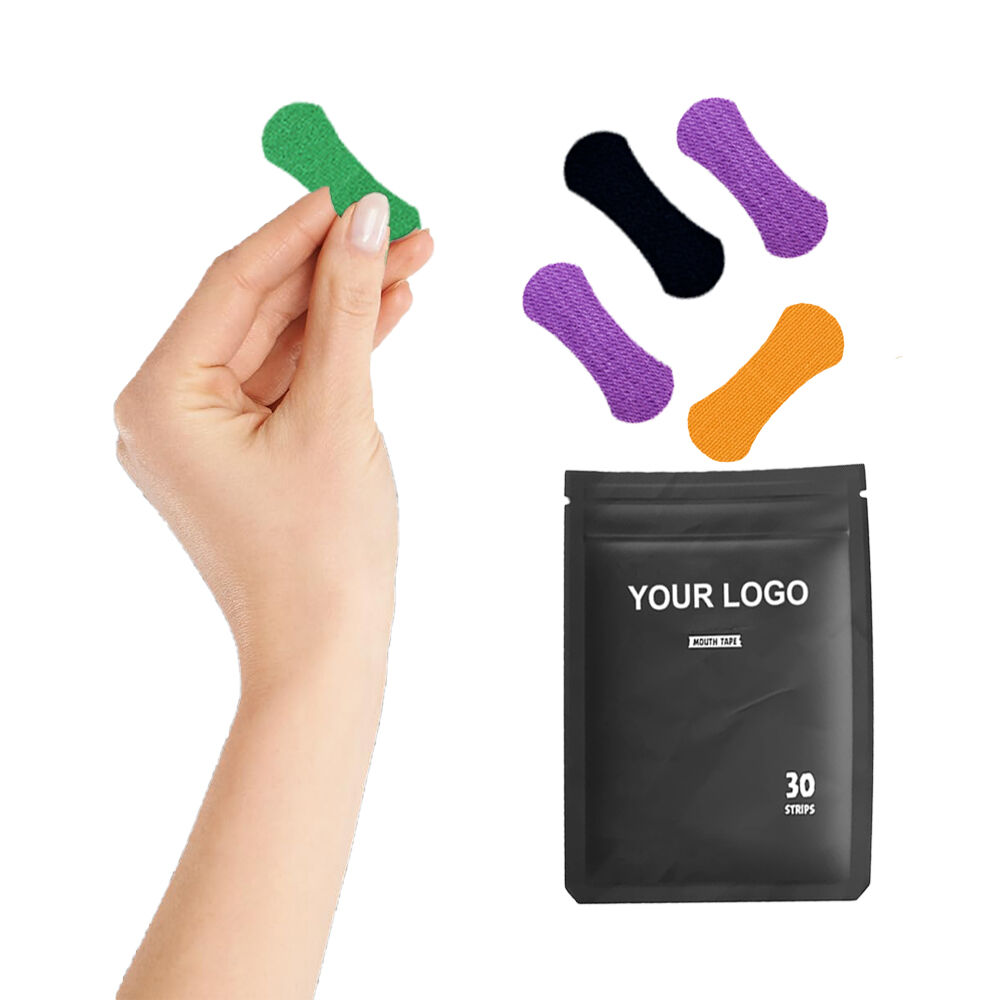
The growing awareness of breathing wellness has brought attention to a simple yet effective tool that promises to transform your sleep quality and overall health. Many individuals struggle with mouth breathing during sleep, which can lead to dry mouth, snoring, and reduced oxygen efficiency. Mouth tape has emerged as a practical solution that encourages nasal breathing habits by gently keeping the lips sealed throughout the night. This innovative approach to sleep optimization has gained popularity among health enthusiasts, athletes, and anyone seeking to improve their respiratory patterns. Understanding how this simple intervention works and its potential benefits can help you make an informed decision about incorporating it into your wellness routine.
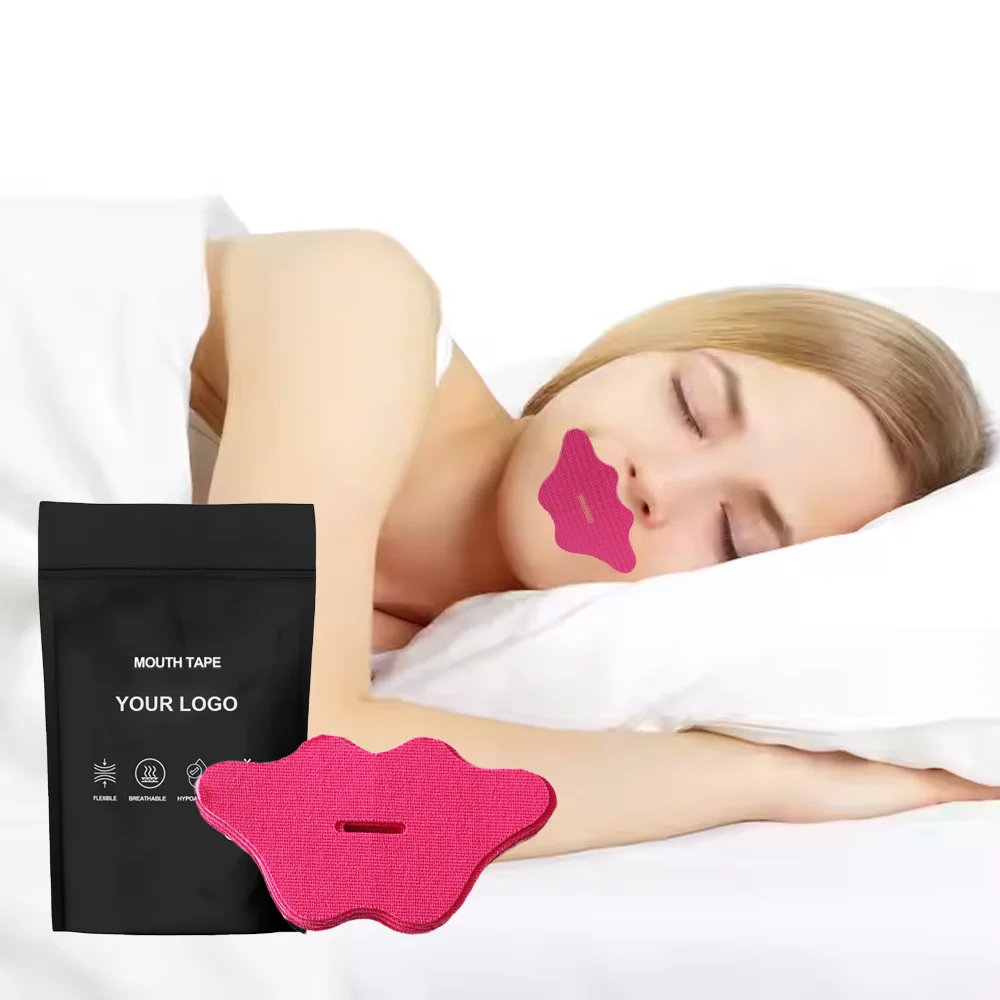
The Science Behind Nasal Breathing and Sleep Quality
Physiological Advantages of Nasal Breathing
Nasal breathing provides numerous physiological advantages that mouth breathing simply cannot match. When you breathe through your nose, the air is naturally filtered, warmed, and humidified before reaching your lungs. This process removes particles, allergens, and pathogens that could otherwise irritate your respiratory system. The nasal passages also produce nitric oxide, a molecule that enhances oxygen delivery to tissues and supports cardiovascular health. Mouth tape helps maintain these natural benefits throughout the night by ensuring consistent nasal breathing patterns.
The turbulent airflow created in nasal passages increases the surface area contact between air and nasal tissues, optimizing gas exchange and oxygen absorption. This enhanced oxygen utilization can lead to deeper, more restorative sleep cycles. Research indicates that individuals who maintain nasal breathing during sleep experience better sleep architecture, including longer periods of REM sleep and reduced sleep fragmentation.
Impact on Sleep Architecture and Recovery
Sleep quality significantly improves when nasal breathing is maintained consistently throughout the night. The body's natural sleep cycles become more stable, allowing for proper progression through light sleep, deep sleep, and REM phases. Mouth tape facilitates this process by preventing the disruption that occurs when breathing switches from nasal to oral pathways. The result is more efficient sleep that leaves you feeling refreshed and energized upon waking.
During deep sleep phases, the body performs critical repair and recovery functions. Enhanced oxygen delivery through nasal breathing supports cellular regeneration, immune system strengthening, and cognitive processing. Athletes and fitness enthusiasts particularly benefit from these improvements, as recovery during sleep directly impacts performance and training adaptations.
Practical Benefits and Applications of Mouth Tape
Addressing Common Sleep Disruptions
Snoring represents one of the most common sleep disruptions that mouth tape can help address. When the mouth remains closed during sleep, the tongue naturally positions itself against the roof of the mouth, helping to maintain an open airway. This positioning reduces the vibrations that create snoring sounds, leading to quieter nights for both the user and their sleeping partner. The gentle pressure from the tape trains the jaw muscles to maintain proper positioning throughout sleep cycles.
Dry mouth and morning throat irritation often result from mouth breathing during sleep. These symptoms can lead to dental problems, bad breath, and general discomfort that affects daily activities. By maintaining mouth closure, the tape preserves natural saliva production and oral moisture levels, supporting dental health and reducing morning discomfort.
Professional and Athletic Performance Enhancement
Professional athletes increasingly recognize the connection between optimal breathing patterns and performance outcomes. Nasal breathing during sleep supports better recovery, which directly translates to improved training capacity and competitive performance. The enhanced oxygen efficiency achieved through consistent nasal breathing helps maintain peak physical condition and reduces fatigue accumulation.
Cognitive performance also benefits from improved sleep quality achieved through proper breathing patterns. Mental clarity, focus, and decision-making abilities all improve when the brain receives optimal oxygen supply during sleep. Business professionals, students, and anyone requiring peak mental performance can experience these cognitive advantages by incorporating mouth tape into their sleep routine.
Material Considerations and Comfort Features
Advanced Material Technology
Modern mouth tape products utilize advanced materials designed for skin comfort and breathing safety. Bamboo silk materials offer exceptional breathability while maintaining gentle adhesion throughout the night. These natural fibers provide hypoallergenic properties that reduce skin irritation risks, making them suitable for individuals with sensitive skin. The moisture-wicking capabilities of quality materials prevent skin maceration and maintain comfort during extended use.
The adhesive technology used in premium mouth tape products balances security with easy removal. Medical-grade adhesives ensure the tape remains in place during normal sleep movements while allowing for emergency removal if needed. This balance provides confidence for new users who may have concerns about breathing restrictions or comfort issues.
Design Elements for User Experience
Thoughtful design elements enhance the user experience and encourage consistent use. Perforated sections allow for partial mouth opening if necessary, providing a safety feature that addresses common concerns about breathing restrictions. The tape's shape and size are optimized to cover the lip area effectively without extending to sensitive facial skin areas.
Color options and aesthetic considerations make the product more appealing for regular use. Some manufacturers offer decorative designs or natural colors that feel less medical and more like a personal care accessory. This attention to visual appeal helps normalize the use of mouth tape as part of a comprehensive sleep wellness routine.
Implementation Strategies and Best Practices
Gradual Introduction and Adaptation
Starting with mouth tape requires a gradual approach that allows your body to adapt to the new breathing pattern. Begin by using the tape for short periods during daytime rest or meditation sessions to become comfortable with the sensation. This practice helps identify any immediate concerns and builds confidence in the product's safety and effectiveness. Progressive introduction reduces anxiety and increases the likelihood of successful long-term adoption.
Monitor your initial experiences carefully, noting any discomfort, breathing difficulties, or sleep quality changes. Most users find that adaptation occurs within a few nights of consistent use, with noticeable improvements in morning energy levels and sleep satisfaction. Keep a sleep diary to track changes in sleep quality, snoring levels, and morning symptoms during the introduction period.
Optimizing Your Sleep Environment
Creating an optimal sleep environment enhances the effectiveness of mouth tape and supports overall breathing wellness. Ensure adequate humidity levels in your bedroom to prevent nasal passage dryness that might encourage mouth breathing. Air purifiers can reduce allergens and irritants that may cause nasal congestion, making nasal breathing easier and more comfortable throughout the night.
Temperature control plays a crucial role in breathing comfort and tape adhesion. Cooler room temperatures generally support better sleep and prevent excessive sweating that might affect tape performance. Consider your sleeping position as well, as certain positions may affect breathing patterns and tape comfort.
Safety Considerations and Contraindications
Medical Conditions and Precautions
Certain medical conditions require careful consideration before using mouth tape. Individuals with severe nasal congestion, deviated septum, or other nasal breathing obstructions should consult healthcare providers before beginning use. Sleep apnea patients should work with their medical team to determine if mouth tape is appropriate as part of their treatment plan, as it may interact with other therapeutic interventions.
Respiratory conditions such as asthma or COPD require medical evaluation before implementing any changes to breathing patterns during sleep. While mouth tape may benefit some individuals with these conditions, professional guidance ensures safe application and monitors for any adverse effects.
Emergency Protocols and Safety Features
Understanding proper emergency protocols provides peace of mind when using mouth tape. The tape should be easily removable in case of illness, nasal congestion, or any breathing difficulties that arise during sleep. Practice removing the tape quickly and smoothly to build confidence in your ability to respond to any concerns that might develop.
Quality mouth tape products include safety features such as breathable materials and easy-release adhesives that support emergency removal. Some designs incorporate small openings or perforations that allow limited mouth breathing if nasal passages become blocked. These safety considerations make the product suitable for a wider range of users while maintaining effectiveness.
FAQ
How long does it take to see results from using mouth tape
Most users report noticeable improvements in sleep quality and morning symptoms within the first week of consistent use. Initial benefits often include reduced snoring, less morning dry mouth, and improved energy levels upon waking. Significant changes in sleep architecture and breathing patterns typically develop over two to four weeks of regular use as the body adapts to sustained nasal breathing habits.
Can mouth tape be used with other sleep aids or devices
Mouth tape can generally be used alongside other sleep wellness tools such as sleep masks, earplugs, or white noise machines. However, individuals using CPAP machines or other medical devices should consult their healthcare providers before combining treatments. The compatibility depends on the specific devices and individual medical conditions, making professional guidance essential for safe integration.
What should I do if I experience skin irritation from the adhesive
If skin irritation develops, discontinue use temporarily and allow the skin to heal completely. Consider switching to products with hypoallergenic materials or different adhesive formulations. Some users benefit from applying a small amount of natural oil around the lip area before tape application to create a protective barrier. Persistent irritation should be evaluated by a healthcare provider to rule out allergic reactions or other skin conditions.
Is it safe to use mouth tape every night long-term
For most healthy individuals, nightly use of properly designed mouth tape is considered safe for long-term application. The materials are developed for extended skin contact, and the breathing benefits typically outweigh any minor risks. However, periodic breaks can help prevent skin sensitivity and allow assessment of breathing habits without the tape. Individuals with underlying health conditions should maintain regular check-ins with healthcare providers when using any sleep aid consistently.
