
 EN
EN

Sleep quality has become a critical concern for millions of people worldwide, with snoring and mouth breathing disrupting not only their own rest but also that of their partners. While traditional solutions like CPAP machines and anti-snoring devices dominate the market, a simple yet effective alternative has gained significant attention: mouth tape. This innovative approach to improving sleep involves gently sealing the lips during sleep to encourage nasal breathing, which can lead to profound improvements in sleep quality, reduced snoring, and overall health benefits.
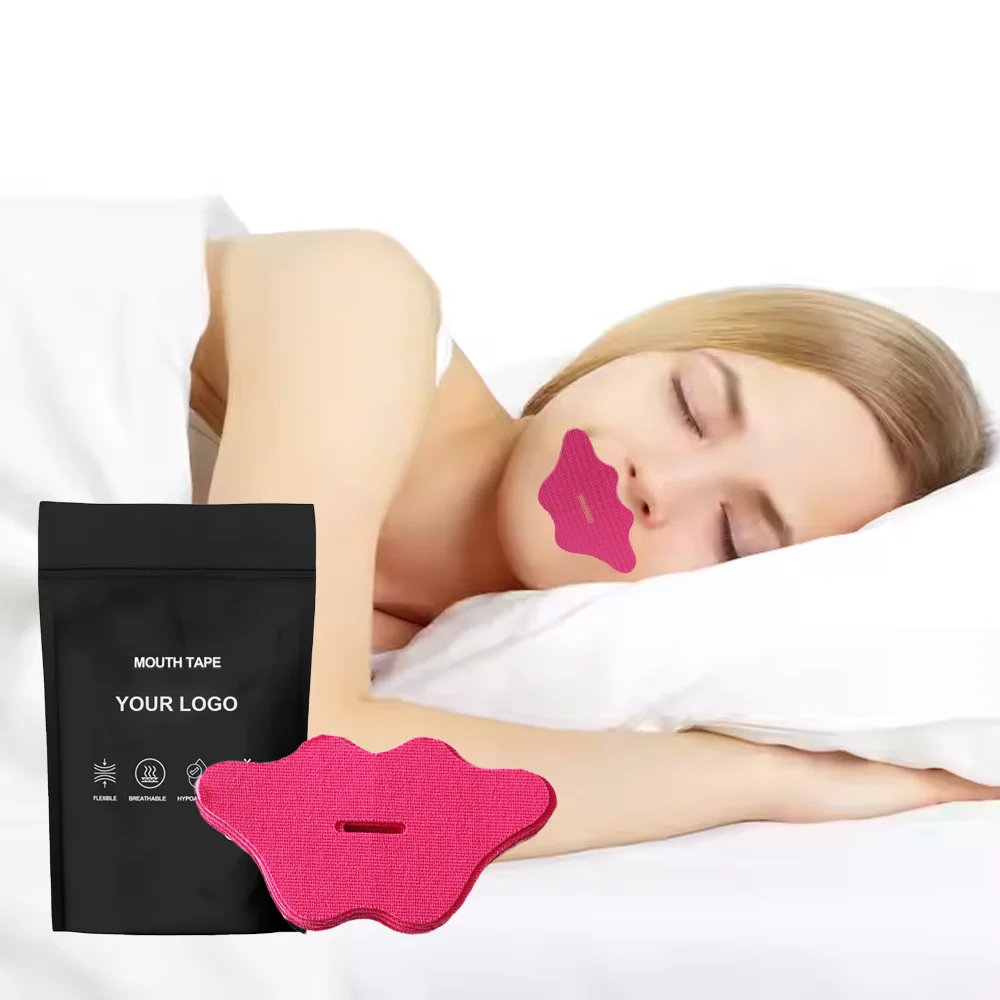
The concept of using mouth tape for sleep optimization is rooted in the fundamental principle that nasal breathing is the body's preferred method of respiration during rest. When we breathe through our nose, the air is filtered, humidified, and warmed before reaching our lungs, creating optimal conditions for restorative sleep. However, many individuals unknowingly switch to mouth breathing during sleep, leading to various complications including dry mouth, throat irritation, and the dreaded snoring that can disrupt entire households.
Understanding the Science Behind Nasal Breathing and Sleep
The Physiological Advantages of Nasal Respiration
Nasal breathing offers numerous physiological advantages that directly impact sleep quality and overall health. When air passes through the nasal passages, it undergoes a sophisticated filtration process that removes harmful particles, allergens, and pathogens before reaching the respiratory system. The nasal cavity also produces nitric oxide, a vital molecule that enhances oxygen absorption and improves blood circulation throughout the body.
During nasal breathing, the tongue naturally rests in its proper position against the roof of the mouth, which helps maintain optimal airway alignment and reduces the likelihood of airway obstruction that leads to snoring. This positioning also supports proper facial development and can prevent issues such as sleep apnea in some individuals. The slower, more controlled breathing pattern associated with nasal respiration activates the parasympathetic nervous system, promoting relaxation and deeper sleep phases.
How Mouth Breathing Disrupts Sleep Architecture
Mouth breathing during sleep creates a cascade of problems that significantly impact sleep architecture and restorative processes. When individuals breathe through their mouth, the air bypasses the natural filtration and conditioning systems of the nasal passages, arriving at the lungs in a dry, unfiltered state. This leads to dehydration of the oral tissues, throat irritation, and increased susceptibility to respiratory infections.
The physiological changes associated with mouth breathing often result in fragmented sleep patterns, with frequent micro-awakenings that prevent the body from achieving deep, restorative sleep phases. Research has shown that mouth breathers experience reduced REM sleep duration and compromised sleep efficiency, leading to daytime fatigue, cognitive impairment, and reduced overall quality of life. The vibration of soft tissues in the throat and mouth during mouth breathing is also the primary cause of snoring, creating additional sleep disruptions for both the individual and their sleep partner.
The Mechanism of Action: How Mouth Tape Promotes Better Sleep
Gentle Encouragement of Nasal Breathing
Mouth tape works through a simple yet effective mechanism that gently encourages the transition from mouth breathing to nasal breathing during sleep. By creating a light seal across the lips, mouth tape naturally redirects airflow through the nasal passages, allowing individuals to experience the full benefits of nasal respiration without conscious effort or complex medical interventions.
The application of mouth tape creates a psychological and physical reminder that helps train the body to maintain nasal breathing patterns throughout the night. This training effect often persists even after discontinuing use, as the body adapts to the more efficient breathing pattern. The gentle nature of modern mouth tape ensures comfort while maintaining effectiveness, using medical-grade adhesives that provide secure application without causing irritation or discomfort to the delicate skin around the lips.
Airway Stabilization and Snoring Reduction
One of the most immediate and noticeable benefits of using mouth tape is the significant reduction in snoring intensity and frequency. When the mouth is gently sealed, the tongue naturally assumes its proper position against the palate, which helps maintain optimal airway dimensions and reduces the vibration of soft tissues that creates snoring sounds. This positioning also helps prevent the collapse of pharyngeal tissues that can contribute to airway obstruction.
The stabilization of the airway through proper tongue positioning and nasal breathing creates a more laminar airflow pattern that reduces turbulence and tissue vibration. Studies have demonstrated that individuals using mouth tape experience measurable reductions in snoring decibel levels, with many reporting complete elimination of snoring within the first few nights of consistent use. This improvement in snoring patterns leads to better sleep quality for both the user and their sleep partner, creating a positive sleep environment for the entire household.
Health Benefits Beyond Snoring Reduction
Enhanced Oxygen Saturation and Cardiovascular Health
The transition to nasal breathing facilitated by mouth tape use results in improved oxygen saturation levels throughout the night, supporting better cardiovascular health and enhanced recovery processes. Nasal breathing promotes the production of nitric oxide, which acts as a natural vasodilator, improving blood circulation and reducing blood pressure. This enhanced circulation ensures that vital organs receive adequate oxygen and nutrients during the critical restorative hours of sleep.
Research has shown that individuals who maintain consistent nasal breathing patterns during sleep experience lower resting heart rates, improved heart rate variability, and reduced markers of cardiovascular stress. The improved oxygenation also supports better brain function, with many users reporting enhanced cognitive clarity, improved memory consolidation, and better mood regulation after incorporating mouth tape into their nightly routine.
Immune System Support and Respiratory Health
The filtration and humidification properties of nasal breathing, facilitated by consistent mouth tape use, provide significant benefits for immune system function and respiratory health. The nasal passages contain specialized cells and structures that trap pathogens, allergens, and particulate matter, preventing these harmful substances from reaching the lower respiratory system. The warmed and humidified air produced by nasal breathing also helps maintain optimal moisture levels in the respiratory tract, supporting the function of protective mucous membranes.
Users of mouth tape often report reduced frequency of respiratory infections, decreased allergy symptoms, and improved overall respiratory comfort. The consistent use of mouth tape helps maintain healthy nasal passages by encouraging regular airflow, which can help prevent congestion and promote the natural clearing mechanisms of the respiratory system. This improved respiratory health contributes to better overall sleep quality and enhanced daytime energy levels.
Proper Application and Safety Considerations
Selecting the Right Mouth Tape Product
Choosing the appropriate mouth tape product is crucial for both effectiveness and comfort during sleep. High-quality mouth tape should be made from hypoallergenic materials with medical-grade adhesive that provides secure application without causing skin irritation. The tape should be designed specifically for overnight use, with breathable materials that allow for comfortable wear throughout extended sleep periods.
Modern mouth tape products often feature innovative designs that enhance comfort and effectiveness, including contoured shapes that follow the natural curve of the lips, perforated centers that allow for emergency mouth breathing, and gentle adhesives that remove easily without leaving residue. The selection of mouth tape should be based on individual skin sensitivity, breathing patterns, and comfort preferences, with many users finding success through trial of different products to identify their optimal solution.
Safe Application Techniques and Best Practices
Proper application of mouth tape is essential for achieving optimal results while maintaining safety and comfort throughout the night. Before applying mouth tape, individuals should ensure that their nasal passages are clear and unobstructed, as the tape should only be used when nasal breathing is possible. The lip area should be clean and dry to ensure proper adhesion, and the tape should be applied gently without excessive pressure or stretching.
Best practices for mouth tape use include starting with shorter periods to allow for adaptation, maintaining a humidified sleep environment to support nasal comfort, and discontinuing use if any discomfort or breathing difficulties arise. Users should also be aware of contraindications, including active nasal congestion, sleep apnea without medical supervision, and certain medical conditions that affect breathing patterns. Consultation with healthcare providers is recommended for individuals with underlying respiratory or sleep disorders.
Scientific Evidence and Research Findings
Clinical Studies Supporting Mouth Tape Efficacy
Growing scientific evidence supports the effectiveness of mouth tape as a simple yet powerful intervention for improving sleep quality and reducing snoring. Multiple clinical studies have demonstrated measurable improvements in sleep parameters among individuals using mouth tape, including increased deep sleep duration, improved sleep efficiency, and reduced arousal frequency throughout the night.
Polysomnographic studies have shown that mouth tape users experience significant reductions in the apnea-hypopnea index, indicating improved breathing patterns and reduced sleep-disordered breathing events. These improvements are accompanied by objective measures of better sleep quality, including more stable oxygen saturation levels and reduced sympathetic nervous system activation during sleep. The research consistently demonstrates that the simple intervention of promoting nasal breathing through mouth tape can produce profound improvements in sleep architecture and overall sleep quality.
Long-term Health Outcomes and Benefits
Long-term studies following individuals who consistently use mouth tape have revealed numerous health benefits that extend well beyond immediate sleep improvements. Users report sustained improvements in daytime energy levels, cognitive function, and mood stability, suggesting that the sleep quality enhancements translate into meaningful improvements in overall quality of life.
Research has also documented improvements in oral health among mouth tape users, as nasal breathing helps maintain proper saliva production and reduces the risk of dry mouth-related dental issues. The consistent use of mouth tape has been associated with reduced frequency of upper respiratory infections, improved exercise tolerance, and better stress management capabilities. These long-term benefits highlight the significant impact that optimized breathing patterns can have on overall health and wellness.
Integration with Sleep Hygiene and Wellness Practices
Complementary Sleep Optimization Strategies
Mouth tape can be effectively integrated with other sleep hygiene practices to create a comprehensive approach to sleep optimization. When combined with consistent sleep schedules, optimized bedroom environments, and proper pre-sleep routines, mouth tape becomes part of a holistic strategy for achieving restorative sleep. The synergistic effects of multiple sleep optimization techniques often produce results that exceed the sum of individual interventions.
Users often find that mouth tape enhances the effectiveness of other sleep aids, including blackout curtains, white noise machines, and temperature regulation systems. The improved breathing patterns facilitated by mouth tape can also complement relaxation techniques such as meditation and progressive muscle relaxation, creating a more conducive environment for rapid sleep onset and sustained deep sleep throughout the night.
Lifestyle Modifications Supporting Nasal Breathing
The effectiveness of mouth tape can be enhanced through lifestyle modifications that support healthy nasal breathing patterns throughout the day and night. Regular nasal hygiene practices, including saline rinses and gentle clearing techniques, help maintain optimal nasal passage function and reduce the likelihood of congestion that could interfere with mouth tape use.
Dietary considerations also play a role in supporting nasal breathing, with the reduction of inflammatory foods and allergens helping to minimize nasal congestion and improve breathing comfort. Proper hydration supports the production of healthy mucous membranes, while regular exercise can improve overall respiratory function and support better sleep quality when combined with mouth tape use.
FAQ
Is mouth tape safe for everyone to use during sleep
Mouth tape is generally safe for most healthy adults when used properly, but certain individuals should exercise caution or avoid use altogether. People with sleep apnea, severe nasal congestion, respiratory conditions, or those who are unable to breathe through their nose should consult with healthcare providers before using mouth tape. Additionally, individuals with sensitive skin or allergies to adhesive materials should test the product on a small skin area before full application.
How long does it take to see improvements in sleep quality with mouth tape
Many users report noticeable improvements in sleep quality and reduced snoring within the first few nights of consistent mouth tape use. However, the full benefits, including adaptation to nasal breathing patterns and optimization of sleep architecture, typically develop over 1-2 weeks of regular use. Individual results may vary based on factors such as baseline breathing patterns, nasal passage health, and overall sleep hygiene practices.
Can mouth tape help with sleep apnea or other serious sleep disorders
While mouth tape can provide benefits for some individuals with mild sleep-disordered breathing, it should not be considered a primary treatment for sleep apnea or other serious sleep disorders without medical supervision. Mouth tape may be used as a complementary intervention alongside prescribed treatments such as CPAP therapy, but individuals with diagnosed sleep disorders should work with their healthcare providers to develop appropriate treatment plans and monitor their response to any interventions.
What should I do if I experience discomfort or difficulty breathing with mouth tape
If you experience any discomfort, skin irritation, or difficulty breathing while using mouth tape, discontinue use immediately and consult with a healthcare provider if symptoms persist. Some initial adjustment period is normal, but persistent discomfort may indicate that mouth tape is not appropriate for your individual needs. Consider trying different brands or styles of mouth tape, ensuring proper nasal hygiene, or addressing any underlying nasal congestion before attempting to use mouth tape again.
Table of Contents
- Understanding the Science Behind Nasal Breathing and Sleep
- The Mechanism of Action: How Mouth Tape Promotes Better Sleep
- Health Benefits Beyond Snoring Reduction
- Proper Application and Safety Considerations
- Scientific Evidence and Research Findings
- Integration with Sleep Hygiene and Wellness Practices
- FAQ
