 EN
EN
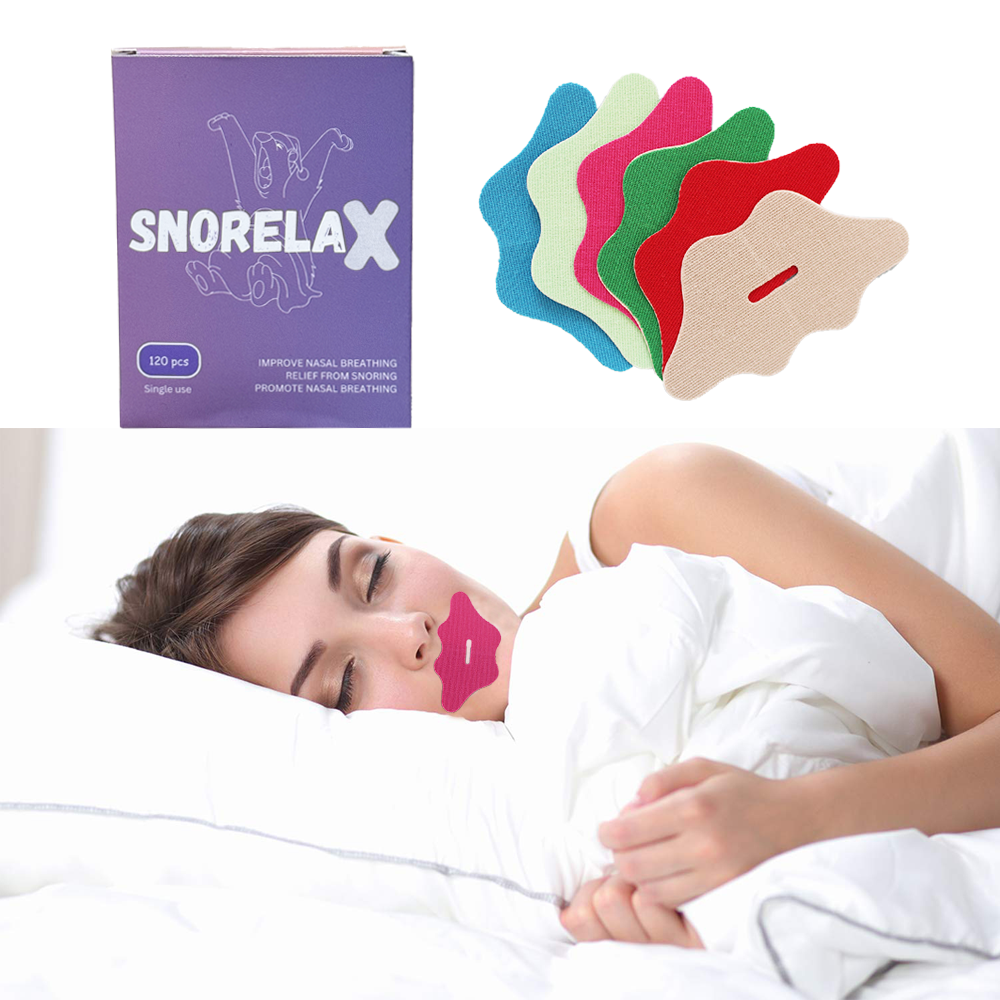
Sleep quality has become a paramount concern in our fast-paced modern society, with millions of individuals struggling to achieve restorative rest each night. While traditional sleep aids like prescription medications, over-the-counter supplements, and various sleep devices have dominated the market for decades, a revolutionary approach has emerged that focuses on optimizing natural breathing patterns during sleep. Sleep tape represents a simple yet scientifically-backed method that addresses one of the most fundamental aspects of healthy sleep by encouraging nasal breathing throughout the night.
The concept of mouth taping during sleep has gained significant traction among sleep specialists, athletes, and health-conscious individuals who recognize the profound impact that proper breathing can have on overall sleep quality. Unlike conventional sleep aids that often come with side effects, dependency risks, or temporary solutions, sleep tape works by supporting your body's natural physiological processes. This innovative approach has transformed the way people think about sleep optimization, offering a non-invasive alternative that promotes long-term respiratory health while delivering immediate improvements in sleep quality.
Research conducted by leading sleep medicine institutions has consistently demonstrated that nasal breathing during sleep provides numerous physiological advantages over mouth breathing. When individuals breathe through their nose, the air undergoes natural filtration, humidification, and temperature regulation before reaching the lungs. This process not only enhances oxygen uptake but also stimulates the production of nitric oxide, a crucial molecule that improves blood circulation and supports cardiovascular health throughout the night.
Understanding the Science Behind Nasal Breathing
Physiological Benefits of Nasal Breathing During Sleep
The human nasal cavity is specifically designed to optimize air intake through a complex network of structures that work together to condition incoming air. When air passes through the nasal passages, it encounters turbinates that create turbulent airflow, maximizing contact with the nasal mucosa. This interaction allows for optimal humidification, reaching nearly 100% humidity by the time air reaches the pharynx. The nasal passages also warm the incoming air to body temperature, reducing the metabolic burden on the lungs and respiratory system.
Furthermore, nasal breathing stimulates the olfactory system, which connects directly to the limbic system in the brain. This connection influences neurotransmitter production and can promote deeper, more restorative sleep cycles. The gentle resistance created by nasal breathing also helps maintain optimal pressure in the airways, reducing the likelihood of airway collapse that can lead to snoring and sleep apnea episodes.
Nitric Oxide Production and Its Impact on Sleep Quality
One of the most significant advantages of nasal breathing involves the production of nitric oxide in the paranasal sinuses. This naturally occurring molecule acts as a vasodilator, improving blood flow throughout the body and enhancing oxygen delivery to tissues. During sleep, increased nitric oxide levels contribute to better cardiac function, reduced blood pressure, and improved immune system performance. The enhanced circulation also supports brain detoxification processes that occur during deep sleep phases.
Clinical studies have shown that individuals who maintain nasal breathing throughout the night experience more consistent REM sleep cycles and spend more time in deep sleep stages. This improvement in sleep architecture directly correlates with better memory consolidation, enhanced cognitive function, and improved emotional regulation the following day. The sustained nitric oxide production also supports endothelial function, contributing to long-term cardiovascular health benefits.
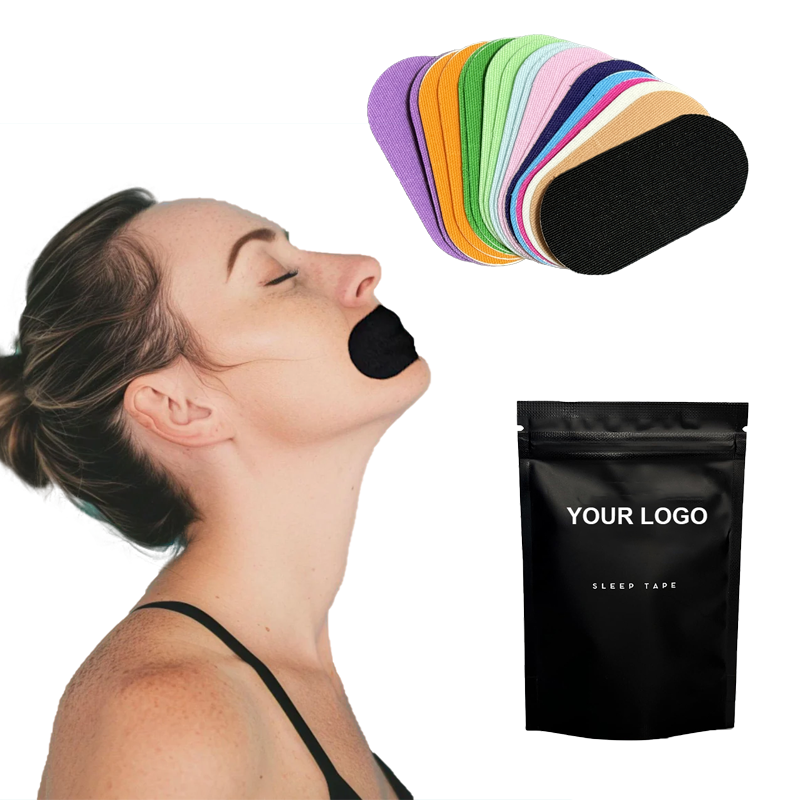
Comparing Sleep Tape to Pharmaceutical Sleep Aids
Safety Profile and Side Effect Considerations
Traditional pharmaceutical sleep aids, including prescription medications like zolpidem, eszopiclone, and benzodiazepines, carry significant risks of dependency, tolerance, and adverse side effects. These medications can cause morning grogginess, cognitive impairment, and rebound insomnia when discontinued. Long-term use of pharmaceutical sleep aids has been associated with increased risk of dementia, falls in elderly populations, and disrupted natural sleep architecture.
In contrast, sleep tape presents virtually no side effects when used appropriately. The method works by supporting natural physiological processes rather than artificially inducing sleep through chemical intervention. Users can discontinue sleep tape use at any time without experiencing withdrawal symptoms or rebound effects. The non-invasive nature of this approach makes it suitable for long-term use without the health risks associated with chronic medication use.
Cost-Effectiveness and Long-Term Value
The financial implications of different sleep aid approaches reveal significant disparities in long-term costs. Prescription sleep medications can cost hundreds of dollars monthly, especially for newer formulations or when insurance coverage is limited. Over-the-counter sleep aids, while less expensive than prescriptions, still represent ongoing monthly expenses that accumulate substantially over time. Additionally, the potential medical costs associated with managing side effects or dependency issues further increase the total cost of pharmaceutical approaches.
Sleep tape offers exceptional value proposition with minimal ongoing costs after the initial purchase. A single package of quality mouth tape can provide weeks or months of use, depending on the product design and frequency of application. The durability and reusable nature of some sleep tape products make them even more economical. When considering the absence of side effects, dependency risks, and potential medical complications, sleep tape represents one of the most cost-effective sleep optimization strategies available.
Advantages Over Mechanical Sleep Devices
Simplicity and Ease of Use
Mechanical sleep devices such as CPAP machines, oral appliances, and white noise generators often require complex setup procedures, regular maintenance, and significant lifestyle adjustments. CPAP therapy, while effective for sleep apnea, involves wearing a mask connected to a pressurized air delivery system that many users find claustrophobic or uncomfortable. The equipment requires daily cleaning, filter replacements, and periodic calibration by sleep technicians.
Sleep tape eliminates these complications through its remarkably simple application process. Users simply apply the tape before bedtime and remove it upon waking, with no setup time, maintenance requirements, or technical knowledge needed. The portability of sleep tape makes it ideal for travel, unlike bulky CPAP machines or other medical devices that require special accommodations. This simplicity encourages consistent use, which is crucial for achieving optimal sleep improvement results.
Comfort and Sleep Position Flexibility
Many mechanical sleep aids restrict natural movement and comfort during sleep. CPAP masks can leave pressure marks on the face, cause skin irritation, and create anxiety in claustrophobic individuals. Oral appliances designed to advance the jaw or hold the tongue in position can cause jaw pain, tooth movement, and excessive salivation. These devices often require adaptation periods during which sleep quality may initially worsen before improvements occur.
Modern sleep tape designs prioritize comfort and flexibility, allowing users to maintain their preferred sleep positions without restriction. High-quality tapes use skin-friendly adhesives that provide secure hold without causing irritation or leaving residue. The minimal profile of sleep tape means bed partners are not disturbed by noise, light, or physical obstructions that often accompany mechanical devices. This consideration for comfort and partner compatibility significantly improves compliance rates and overall satisfaction with the sleep improvement method.
Natural Approach Benefits
Supporting Body's Innate Sleep Mechanisms
The human body possesses sophisticated mechanisms for regulating sleep cycles, breathing patterns, and physiological recovery processes. Sleep tape works in harmony with these natural systems rather than overriding them through artificial intervention. By encouraging nasal breathing, sleep tape supports the body's preferred respiratory pattern that has evolved over millions of years to optimize gas exchange and maintain airway stability during rest periods.
This natural approach extends beyond immediate sleep quality improvements to support long-term respiratory health and function. Regular nasal breathing during sleep helps maintain healthy sinus function, reduces mouth dryness that can contribute to dental problems, and supports proper jaw alignment. The gentle training effect of consistent nasal breathing can lead to improved breathing patterns during waking hours as well, creating comprehensive respiratory health benefits.
Integration with Holistic Sleep Hygiene Practices
Sleep tape complements other evidence-based sleep hygiene practices without creating conflicts or contraindications. Users can safely combine mouth taping with meditation, progressive muscle relaxation, controlled room temperature, and other natural sleep optimization techniques. This compatibility allows for a comprehensive approach to sleep improvement that addresses multiple factors contributing to poor sleep quality.
The non-pharmaceutical nature of sleep tape makes it suitable for individuals who prefer natural health approaches or those who cannot tolerate medications due to allergies, drug interactions, or medical conditions. Pregnant women, elderly individuals, and those with sensitive medical conditions can often use sleep tape safely when pharmaceutical options are contraindicated. This inclusivity makes sleep tape accessible to a broader population seeking effective sleep solutions.
Performance and Athletic Benefits
Enhanced Oxygen Efficiency for Active Individuals
Athletes and fitness enthusiasts have discovered that improved nasal breathing during sleep directly translates to better performance during training and competition. The enhanced oxygen uptake efficiency achieved through nasal breathing supports more effective recovery processes, including muscle protein synthesis, glycogen replenishment, and cellular repair mechanisms. Professional athletes in various sports have incorporated sleep tape into their recovery protocols, reporting improved endurance, faster recovery times, and better overall performance metrics.
The cardiovascular benefits of consistent nasal breathing extend to improved heart rate variability, a key indicator of autonomic nervous system health and recovery capacity. Athletes who maintain proper breathing patterns during sleep often experience lower resting heart rates, improved aerobic capacity, and better stress resilience. These physiological adaptations provide competitive advantages that extend far beyond the immediate sleep quality improvements.
Recovery Optimization Through Better Sleep Architecture
Quality sleep represents one of the most critical factors in athletic recovery and adaptation to training stress. Sleep tape contributes to more stable sleep architecture by reducing sleep disruptions caused by mouth breathing, snoring, or airway instability. The resulting improvement in deep sleep phases allows for optimal growth hormone release, which is essential for muscle repair, bone density maintenance, and metabolic function.
Research conducted with elite athletes has demonstrated that even small improvements in sleep quality can translate to measurable performance gains. The consistency provided by sleep tape use allows athletes to achieve more predictable recovery patterns, enabling better training periodization and reduced risk of overtraining syndrome. The natural, non-pharmaceutical approach also ensures compliance with anti-doping regulations while providing legitimate performance benefits.
Long-Term Health Implications
Cardiovascular Health Benefits
The long-term cardiovascular benefits of improved nasal breathing during sleep extend far beyond immediate sleep quality improvements. Consistent nitric oxide production supports endothelial function, helping maintain healthy blood vessels and reducing the risk of cardiovascular disease development. The improved oxygenation and reduced sympathetic nervous system activation associated with quality sleep contribute to better blood pressure regulation and reduced inflammatory markers.
Studies tracking individuals who improved their sleep breathing patterns over extended periods have shown measurable improvements in cardiovascular risk factors, including reduced C-reactive protein levels, improved lipid profiles, and better insulin sensitivity. These changes occur gradually but represent significant protective effects against heart disease, stroke, and metabolic disorders that are increasingly prevalent in modern society.
Cognitive Function and Mental Health Support
The brain's dependence on quality sleep for optimal function makes the cognitive benefits of improved sleep breathing particularly significant. Better oxygenation during sleep supports glymphatic system function, the brain's waste clearance mechanism that removes metabolic toxins and proteins associated with neurodegenerative diseases. Enhanced sleep quality through proper breathing patterns has been linked to improved memory consolidation, better executive function, and reduced risk of cognitive decline.
Mental health outcomes also improve with better sleep quality achieved through natural breathing optimization. The regulation of neurotransmitter systems during quality sleep supports emotional stability, stress resilience, and overall psychological well-being. Individuals who maintain consistent nasal breathing during sleep often report improved mood, reduced anxiety levels, and better ability to cope with daily stressors. These mental health benefits create positive feedback loops that further support healthy sleep patterns and overall quality of life.
FAQ
Is sleep tape safe for everyone to use
Sleep tape is generally safe for most healthy adults when used according to manufacturer guidelines. However, individuals with severe nasal congestion, sleep apnea, or respiratory conditions should consult with healthcare providers before beginning use. The tape should never be used by children under a certain age or individuals who cannot easily remove it themselves. People with sensitive skin should test the adhesive on a small area before full application to ensure no allergic reactions occur.
How long does it take to see results from using sleep tape
Many users report noticeable improvements in sleep quality within the first few nights of using sleep tape, including reduced snoring, less dry mouth upon waking, and feeling more refreshed in the morning. However, the full benefits of improved nasal breathing typically develop over several weeks as the body adapts to the new breathing pattern. Consistent use for at least two to four weeks is recommended to experience the complete range of benefits and allow natural breathing patterns to become established.
Can sleep tape help with snoring problems
Yes, sleep tape can significantly reduce snoring in many individuals, particularly when the snoring is caused by mouth breathing rather than structural airway issues. By encouraging nasal breathing, sleep tape helps maintain proper tongue position and reduces the vibrations in the throat that cause snoring sounds. However, loud snoring accompanied by breathing pauses may indicate sleep apnea, which requires medical evaluation and treatment beyond what sleep tape alone can provide.
What should I do if I feel anxious about using sleep tape
Anxiety about mouth taping is common and completely understandable. Start by practicing during daytime relaxation periods to become comfortable with the sensation. Begin with shorter durations and gradually increase as comfort levels improve. Ensure you can easily breathe through your nose before applying tape, and choose products specifically designed for sleep use with gentle, easily removable adhesives. If anxiety persists or you experience panic, discontinue use and consider consulting with a sleep specialist for alternative approaches.
