
 EN
EN
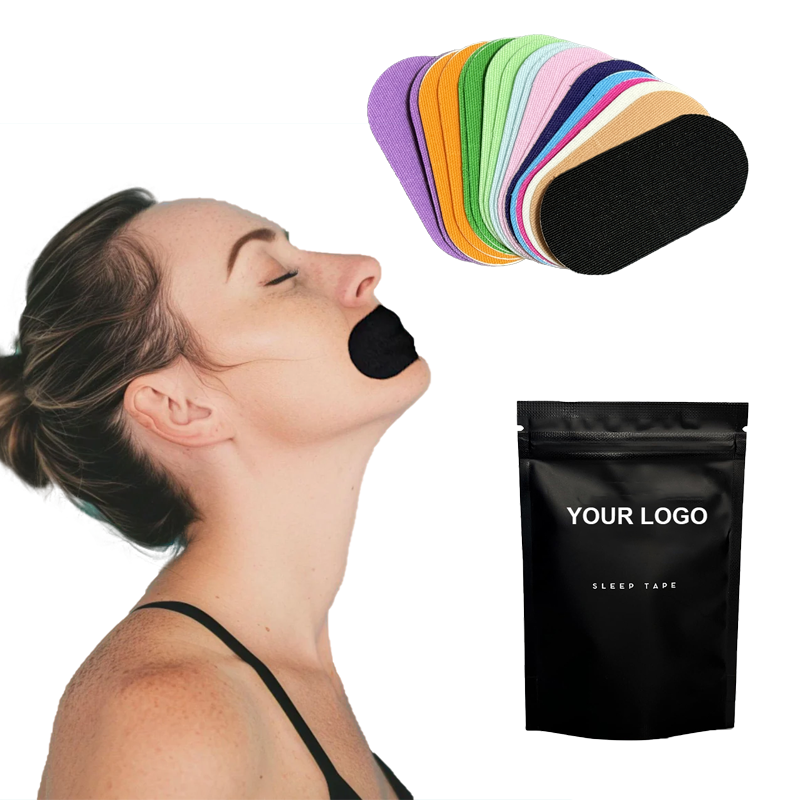
The health and wellness industry has witnessed remarkable growth in recent years, with consumers increasingly seeking innovative solutions to improve their sleep quality and overall well-being. Among the emerging trends, sleep tapes have captured significant attention from health-conscious individuals, athletes, and wellness professionals alike. These specialized adhesive strips, designed to promote nasal breathing during sleep, represent a simple yet effective approach to addressing common sleep-related issues that affect millions of people worldwide.
The rising popularity of these products stems from growing awareness about the importance of proper breathing patterns during sleep and their direct correlation with sleep quality, energy levels, and long-term health outcomes. As consumers become more educated about sleep hygiene and seek non-invasive alternatives to traditional sleep aids, the market for specialized sleep accessories continues to expand at an unprecedented rate.
Modern lifestyle factors, including increased stress levels, environmental pollutants, and prolonged screen exposure, have contributed to a surge in sleep-related problems across all age demographics. This growing concern has created a fertile market environment for innovative sleep solutions that address specific physiological aspects of healthy sleep, particularly those related to breathing optimization and airway management during rest periods.
Understanding the Science Behind Sleep Tape Technology
Physiological Benefits of Nasal Breathing
The human respiratory system is naturally designed to facilitate breathing through the nose, which provides numerous physiological advantages over mouth breathing. When individuals breathe through their nose during sleep, the air undergoes natural filtration, humidification, and temperature regulation processes that optimize oxygen delivery to the bloodstream. This enhanced oxygen efficiency contributes to deeper sleep cycles, improved cellular regeneration, and better overall recovery during rest periods.
Nasal breathing also stimulates the production of nitric oxide, a crucial molecule that enhances blood circulation, supports immune function, and promotes cardiovascular health. Research has demonstrated that individuals who maintain nasal breathing patterns during sleep experience lower heart rates, reduced blood pressure, and improved oxygen saturation levels compared to those who primarily breathe through their mouth.
The gentle pressure and positioning facilitated by sleep tapes help maintain proper tongue posture and prevent the collapse of soft tissues in the throat area. This mechanical support reduces the likelihood of airway obstruction and promotes more stable breathing patterns throughout the night, leading to fewer sleep disruptions and improved sleep architecture.
Impact on Sleep Quality and Recovery
Scientific studies have revealed significant correlations between breathing patterns during sleep and various sleep quality metrics. Individuals who maintain consistent nasal breathing demonstrate improved REM sleep duration, deeper slow-wave sleep phases, and reduced sleep fragmentation compared to mouth breathers. These improvements in sleep architecture translate to enhanced cognitive function, better emotional regulation, and improved physical performance during waking hours.
The use of specialized sleep accessories to promote nasal breathing has been associated with reduced snoring frequency and intensity, which benefits both the user and their sleep partner. This improvement in sleep environment quality contributes to better relationship satisfaction and reduced sleep-related stress for couples sharing sleeping spaces.
Athletes and fitness enthusiasts have particularly embraced these products due to their positive impact on recovery processes. Enhanced oxygen delivery during sleep supports muscle repair, reduces inflammation markers, and accelerates the removal of metabolic waste products accumulated during intense physical activity. This improved recovery efficiency allows for more consistent training performance and reduced risk of overuse injuries.
Market Drivers and Consumer Demographics
Growing Health Consciousness and Wellness Trends
The contemporary wellness movement has fundamentally shifted consumer attitudes toward proactive health management and preventive care approaches. Modern consumers increasingly prioritize sleep quality as a cornerstone of overall health, leading to greater investment in specialized sleep optimization products and services. This cultural shift has created substantial market opportunities for innovative sleep solutions that address specific physiological needs without requiring pharmaceutical interventions.
Social media platforms and wellness influencers have played crucial roles in educating consumers about the importance of sleep hygiene and introducing them to emerging sleep optimization technologies. The viral nature of wellness content has accelerated awareness and adoption of specialized sleep accessories, particularly among younger demographics who actively seek natural alternatives to traditional sleep aids.
Professional athletes, wellness coaches, and healthcare practitioners have increasingly recommended these products as part of comprehensive sleep optimization protocols. This professional endorsement has enhanced consumer confidence and contributed to broader market acceptance across diverse demographic segments, from competitive athletes to busy professionals seeking improved sleep quality.
Technological Advancements and Product Innovation
Recent innovations in adhesive technology and materials science have significantly improved the comfort, effectiveness, and user experience of sleep tapes. Modern formulations utilize hypoallergenic adhesives that provide secure positioning while remaining gentle on sensitive facial skin. Advanced breathable materials ensure optimal comfort throughout extended wear periods while maintaining the necessary structural integrity to support proper breathing patterns.
Manufacturers have invested heavily in research and development to create products that address common user concerns such as skin sensitivity, adhesive residue, and comfort during movement. These improvements have expanded the potential user base to include individuals with sensitive skin conditions and those who previously found similar products uncomfortable or impractical for regular use.
The integration of sustainable materials and eco-friendly manufacturing processes has aligned these products with broader environmental consciousness trends among consumers. Biodegradable options and recyclable packaging solutions have attracted environmentally conscious consumers who prioritize sustainability in their purchasing decisions while seeking effective sleep optimization solutions.
Industry Applications and Professional Adoption
Healthcare and Sleep Medicine Integration
Sleep medicine professionals have increasingly incorporated these specialized products into comprehensive treatment protocols for various sleep-related conditions. Healthcare providers recognize the value of non-invasive interventions that can complement traditional treatments while providing patients with accessible self-management tools. This professional adoption has enhanced credibility and encouraged broader consumer acceptance within medical communities.
Dental professionals, particularly those specializing in sleep dentistry and airway management, have embraced these products as valuable adjuncts to oral appliance therapy and other airway optimization treatments. The ability to promote proper tongue posture and reduce mouth breathing supports the effectiveness of dental sleep medicine interventions while providing patients with additional therapeutic benefits.
Research institutions and sleep laboratories have begun incorporating these products into clinical studies examining the relationships between breathing patterns, sleep quality, and various health outcomes. This scientific validation has strengthened the evidence base supporting their use and has contributed to increased acceptance within evidence-based healthcare practices.
Athletic Performance and Recovery Programs
Professional sports organizations and elite athletic training programs have recognized the significant impact of optimized sleep breathing on performance outcomes and injury prevention. Sleep tapes have become integral components of comprehensive recovery protocols designed to maximize the physiological adaptations that occur during rest periods. Athletes report improved energy levels, enhanced focus, and better overall performance when incorporating these products into their nightly routines.
Sports medicine professionals emphasize the importance of quality sleep in athletic development and have identified breathing optimization as a critical factor in maximizing recovery efficiency. The use of specialized sleep accessories has become standard practice in many high-performance athletic environments, from professional sports teams to Olympic training centers.
Fitness enthusiasts and recreational athletes have adopted these products based on recommendations from professional trainers and sports medicine practitioners. The accessibility and ease of use make them practical solutions for individuals seeking to optimize their recovery processes without requiring complex equipment or extensive lifestyle modifications.
Economic Impact and Market Growth Projections
Revenue Generation and Market Size Analysis
The global market for specialized sleep accessories has experienced exponential growth over the past five years, with sleep tapes representing one of the fastest-growing segments within this category. Industry analysts project continued expansion driven by increasing consumer awareness, technological improvements, and growing integration into professional healthcare and athletic performance protocols.
E-commerce platforms have facilitated widespread distribution and accessibility, enabling manufacturers to reach diverse global markets while maintaining competitive pricing structures. Direct-to-consumer sales models have proven particularly effective for this product category, allowing companies to build strong customer relationships and gather valuable feedback for product development initiatives.
The recurring purchase nature of these consumable products creates sustainable revenue streams for manufacturers while providing consumers with ongoing value through consistent sleep quality improvements. Subscription-based delivery models have gained popularity among regular users, contributing to predictable revenue generation and enhanced customer lifetime value metrics.
Investment Opportunities and Market Competition
Venture capital firms and private equity investors have shown increasing interest in sleep technology companies, recognizing the substantial growth potential within the broader sleep wellness market. This investment influx has accelerated product development, marketing initiatives, and distribution expansion efforts across multiple geographic regions and demographic segments.
Established healthcare and wellness companies have entered the market through strategic acquisitions and product line extensions, intensifying competition while simultaneously validating the market opportunity. This increased competition has driven innovation and improved product quality while maintaining accessible pricing for consumers across various economic segments.
International expansion opportunities remain substantial, particularly in emerging markets where growing middle-class populations are increasingly prioritizing health and wellness investments. Cultural adaptation and localized marketing strategies have proven essential for successful market penetration in diverse geographic regions with varying sleep culture traditions and health consciousness levels.
Future Trends and Market Evolution
Technological Integration and Smart Features
The integration of digital health technologies with traditional sleep accessories represents a significant growth opportunity for the industry. Future product iterations may incorporate sensors and connectivity features that provide users with detailed insights into their breathing patterns, sleep quality metrics, and optimization recommendations based on individual physiological responses.
Artificial intelligence and machine learning applications could enable personalized product recommendations based on individual sleep data, lifestyle factors, and health goals. This personalization approach would enhance user experience while providing valuable data for continuous product improvement and development of targeted solutions for specific user populations.
Integration with existing sleep tracking technologies and health monitoring platforms could create comprehensive sleep optimization ecosystems that address multiple aspects of sleep hygiene and recovery enhancement. These integrated approaches would provide users with holistic insights into their sleep patterns while offering actionable recommendations for improvement.
Regulatory Considerations and Quality Standards
As the market continues to mature, regulatory bodies are developing more comprehensive guidelines and quality standards for sleep accessories and wellness products. These evolving regulations will likely enhance consumer protection while establishing clear quality benchmarks that support continued market growth and professional acceptance.
Medical device classification considerations may influence future product development and marketing approaches, particularly for products making specific health claims or targeting individuals with diagnosed sleep conditions. Manufacturers must navigate these regulatory landscapes while maintaining innovation momentum and accessibility for general consumer markets.
International harmonization of quality standards and safety requirements will facilitate global market expansion while ensuring consistent product quality across different geographic regions. This standardization process will benefit both manufacturers and consumers by establishing clear expectations and reducing regulatory complexity for international commerce.
FAQ
How do sleep tapes improve sleep quality
Sleep tapes promote nasal breathing during sleep, which enhances oxygen delivery, reduces snoring, and supports deeper sleep cycles. Nasal breathing filters and humidifies air while stimulating nitric oxide production, leading to improved circulation and better overall sleep architecture. Users typically experience fewer sleep disruptions and wake up feeling more refreshed and energized.
Are sleep tapes safe for regular use
Modern sleep tapes are designed with hypoallergenic materials and gentle adhesives that are safe for nightly use on healthy individuals. However, people with severe nasal congestion, sleep apnea, or other respiratory conditions should consult healthcare providers before using these products. The tapes should allow for easy removal and should never restrict breathing or cause discomfort during sleep.
What makes sleep tapes different from other sleep aids
Unlike pharmaceutical sleep aids or complex devices, sleep tapes offer a non-invasive, drug-free approach to sleep optimization that focuses specifically on breathing pattern improvement. They work by addressing a fundamental physiological aspect of healthy sleep rather than inducing drowsiness or requiring lifestyle changes. This makes them suitable for long-term use without concerns about dependency or side effects.
Who can benefit most from using sleep tapes
Athletes seeking improved recovery, individuals who snore or breathe through their mouth during sleep, and people experiencing morning fatigue despite adequate sleep duration often see the greatest benefits. Professionals in high-stress environments, shift workers, and anyone looking to optimize their sleep quality naturally may also find these products valuable for enhancing their overall well-being and daily performance.
