
 EN
EN
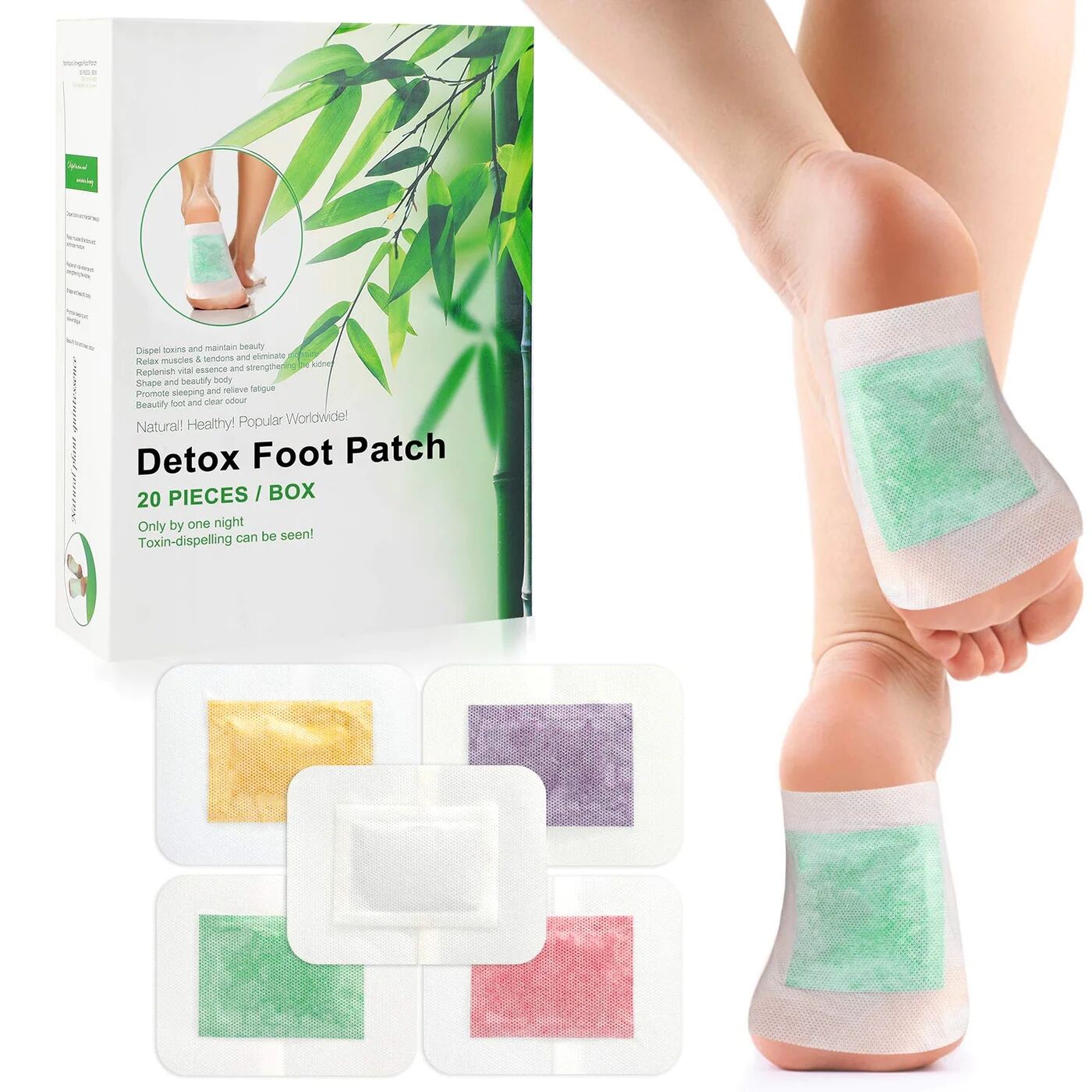
Foot detox patches have gained significant popularity as a wellness practice, with millions of people worldwide incorporating them into their daily routines. These adhesive pads, typically applied to the soles of the feet before bedtime, claim to draw out toxins from the body through natural ingredients and traditional healing principles. However, as with any wellness product that comes into direct contact with your skin, understanding the safety considerations is paramount to ensuring a beneficial and risk-free experience.
The growing market for detoxification products reflects a broader consumer interest in natural wellness solutions and preventive healthcare approaches. While foot detox patches are generally considered safe for most adults when used as directed, several important factors must be carefully evaluated before beginning any detox regimen. These considerations range from individual health conditions and medication interactions to proper application techniques and realistic expectations about potential outcomes.
Understanding these safety aspects not only protects your health but also maximizes the potential benefits you may experience from using these products. Whether you're considering foot detox patches for the first time or seeking to optimize your current routine, comprehensive knowledge of safety protocols will help you make informed decisions about incorporating these products into your wellness strategy.
Understanding Ingredient Safety and Allergic Reactions
Common Ingredients and Their Properties
Most foot detox patches contain a blend of natural ingredients such as bamboo vinegar, tourmaline, chitosan, and various herbal extracts. Bamboo vinegar, derived from the pyrolysis of bamboo, is prized for its purported absorption properties and has been used in traditional Asian medicine for centuries. Tourmaline, a semi-precious mineral, is included for its supposed ability to generate negative ions and far-infrared radiation, which proponents believe enhance the detoxification process.
Wood vinegar and plant-based powders are frequently incorporated to create the characteristic darkening effect that many users associate with toxin removal. While these ingredients are generally recognized as safe for topical application, individual sensitivities can vary significantly. Chitosan, derived from shellfish shells, may pose risks for individuals with seafood allergies, while certain herbal components could trigger reactions in those sensitive to specific plant families.
It's crucial to carefully review the complete ingredient list of any foot detox patches you're considering, particularly if you have known allergies or sensitivities. Manufacturers typically provide detailed ingredient information on product packaging or documentation, allowing consumers to make informed choices based on their individual health profiles and risk tolerance levels.
Identifying and Managing Allergic Responses
Allergic reactions to foot detox patches typically manifest as skin irritation, redness, itching, or localized swelling at the application site. More severe reactions, while rare, may include widespread rash, difficulty breathing, or systemic allergic responses that require immediate medical attention. The risk of allergic reactions can be significantly reduced through proper patch testing before full application.
Before using any new foot detox patch product, dermatologists recommend conducting a small patch test on a less sensitive area of skin, such as the inner forearm. Apply a small portion of the patch adhesive and ingredients to this test area for 24-48 hours, monitoring for any signs of irritation or adverse reactions. This simple precautionary step can prevent more extensive skin reactions and help identify potential sensitivities before committing to regular use.
If you experience any adverse reactions during patch testing or regular use, discontinue the product immediately and cleanse the affected area with mild soap and water. For persistent or severe reactions, consult with a healthcare provider or dermatologist who can provide appropriate treatment recommendations and help determine whether the reaction was due to specific ingredients or application methods.
Proper Application Techniques and Duration Guidelines
Correct Placement and Adhesion Methods
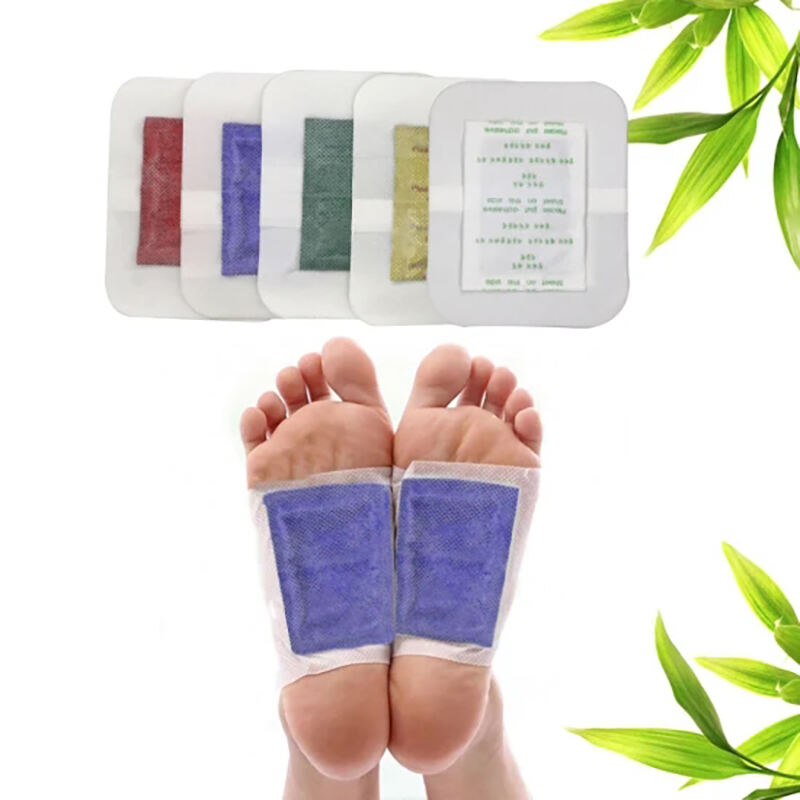
Proper application of foot detox patches begins with thorough foot preparation, including cleaning the feet with soap and water and ensuring they are completely dry before patch application. The patches should be applied to clean, intact skin on the soles of the feet, typically targeting the arch area where traditional Chinese medicine principles suggest key reflexology points are located. Avoid applying patches to broken, irritated, or recently shaved skin, as this can increase the risk of irritation or infection.
The adhesive border of the patch should create a secure seal around the ingredient pouch without causing excessive pressure or discomfort. Patches that are applied too tightly may restrict circulation or cause skin indentation, while loose application may result in reduced effectiveness or patch displacement during sleep. Most manufacturers recommend wearing the patches for 6-8 hours overnight, allowing sufficient time for the ingredients to interact with the skin while maintaining comfort throughout the sleep cycle.
Temperature and humidity conditions in your sleeping environment can affect patch adhesion and performance. Excessively warm conditions may cause increased sweating, potentially leading to patch displacement or skin maceration. Conversely, very dry conditions might reduce the moisture activation necessary for optimal patch function. Maintaining a comfortable sleeping environment with moderate temperature and humidity levels supports both patch effectiveness and skin health.
Duration Limits and Frequency Recommendations
While many users are tempted to extend application times or increase frequency of use, adhering to manufacturer guidelines for duration and frequency is essential for safety. Extended wear beyond recommended timeframes can lead to skin maceration, where prolonged moisture exposure softens and weakens the skin barrier, potentially creating entry points for bacteria or fungi. This is particularly concerning for individuals with compromised immune systems or existing skin conditions.
Most foot detox patches are designed for overnight use, typically 6-10 hours maximum, followed by a removal and rest period during the day. Some protocols recommend using patches every night for a specific period, while others suggest intermittent use with rest days between applications. The frequency of use should be adjusted based on individual skin tolerance, with new users starting with less frequent applications to assess their body's response.
Continuous or excessive use without adequate rest periods may lead to cumulative skin irritation or sensitization, where the skin becomes increasingly reactive to the patch ingredients over time. If you experience any signs of skin breakdown, persistent redness, or increasing sensitivity, reduce the frequency of use or discontinue the product entirely until your skin returns to its normal state.
Health Conditions and Contraindications
Diabetes and Circulation Concerns
Individuals with diabetes face unique considerations when using foot detox patches due to potential complications related to reduced sensation and impaired healing capacity in the feet. Diabetic neuropathy, a common complication affecting nerve function, can diminish the ability to feel pain, pressure, or temperature changes, making it difficult to detect adverse reactions or improper patch placement. This reduced sensation increases the risk of unnoticed skin damage or pressure injuries from poorly fitted patches.
Poor circulation, another frequent complication of diabetes, can impair the skin's ability to heal from minor irritations or injuries that might result from patch adhesives or prolonged moisture exposure. The combination of reduced sensation and slower healing times means that minor issues can potentially progress to more serious complications if not promptly identified and addressed. Diabetic individuals should consult with their healthcare provider before beginning any foot detox patch regimen.
For those with diabetes who choose to use foot detox patches under medical supervision, enhanced monitoring protocols are essential. This includes careful daily inspection of the feet before and after patch application, using proper lighting and mirrors to examine all areas of the foot that may be affected. Any signs of redness, swelling, open areas, or unusual discharge should prompt immediate discontinuation of patch use and medical evaluation.
Pregnancy and Nursing Considerations
Pregnant and nursing women represent a special population that requires careful consideration before using foot detox patches or any topical wellness products. While topical absorption through the feet is generally limited compared to other routes of exposure, the potential for ingredient absorption during pregnancy raises questions about fetal safety, particularly when patches are used regularly over extended periods.
The hormonal changes associated with pregnancy can alter skin sensitivity and reactivity, potentially making expectant mothers more susceptible to allergic reactions or skin irritation from patch ingredients. Additionally, pregnancy-related changes in circulation and fluid retention may affect how the body responds to topical applications, potentially altering the intended effects of the patches or creating unexpected reactions.
Healthcare providers generally recommend avoiding unnecessary topical products during pregnancy and nursing unless the benefits clearly outweigh potential risks. Given the limited clinical research on foot detox patches during pregnancy, most medical professionals advise postponing their use until after pregnancy and nursing are complete, focusing instead on proven safe methods of maintaining health and wellness during this critical period.
Quality Standards and Product Selection
Regulatory Oversight and Manufacturing Standards
The foot detox patch industry operates within a complex regulatory landscape that varies significantly between countries and regions. In the United States, these products are typically classified as cosmetic or wellness products rather than medical devices, which means they are subject to less stringent pre-market testing and approval requirements compared to pharmaceutical products. This regulatory classification places greater responsibility on consumers to research and evaluate product quality and safety standards independently.
Reputable manufacturers voluntarily adhere to good manufacturing practices and quality control standards, including facility inspections, ingredient purity testing, and batch consistency monitoring. Look for products manufactured in facilities that maintain certifications such as ISO 9001 for quality management or facilities that undergo regular third-party audits. These certifications provide additional assurance that products are manufactured under controlled conditions with appropriate quality oversight.
When evaluating foot detox patches, prioritize products that provide comprehensive ingredient disclosure, including specific concentrations when relevant, and clear manufacturing information such as facility location and production dates. Avoid products that make unrealistic health claims, lack proper ingredient labeling, or are sold without adequate contact information for the manufacturer or distributor.
Identifying Quality Indicators and Red Flags
High-quality foot detox patches typically demonstrate several key characteristics that indicate attention to safety and effectiveness. Professional packaging should include clear ingredient lists, usage instructions, safety warnings, and manufacturer contact information. The patches themselves should have consistent sizing, secure adhesive borders, and uniform ingredient distribution within each pouch. Quality products often include batch numbers or lot codes that enable traceability in case of quality issues or recalls.
Conversely, several red flags should alert consumers to potentially problematic products. These include extremely low prices that seem too good to be true, products making miraculous health claims without scientific support, packaging with poor print quality or multiple language errors, and products sold without proper ingredient disclosure or safety warnings. Additionally, be cautious of products that claim to treat specific medical conditions or promise dramatic health improvements, as these claims typically exceed what current scientific evidence supports.
Consumer reviews and ratings can provide valuable insights into product quality and user experiences, but approach online reviews critically, looking for patterns of feedback rather than relying on individual testimonials. Pay particular attention to reviews that mention adverse reactions or quality control issues, as these may indicate broader problems with specific products or manufacturers.
Monitoring and Recognizing Adverse Effects
Early Warning Signs and Symptoms
Effective monitoring for adverse effects begins before you apply your first foot detox patch and continues throughout your usage period. Early warning signs of potential problems include unusual skin reactions at the application site, such as excessive redness that persists after patch removal, itching or burning sensations during or after use, or the development of small bumps or raised areas on the skin. These initial symptoms often appear within the first few uses and may indicate developing sensitivity or allergic reactions.
Systemic symptoms, while less common, can occur in sensitive individuals and may include headaches, nausea, fatigue, or general malaise that correlates with patch use. Some users report sleep disturbances or unusual dreams, though it's unclear whether these effects are directly related to the patches or result from the placebo effect or changes in bedtime routines. Keep a simple log of your experiences, noting any symptoms or changes you observe in relation to patch use.
Changes in the appearance or condition of your feet beyond the application site should also be monitored carefully. This includes increased dryness or moisture, changes in skin texture or color, or the development of fungal infections, which may be more likely in individuals who use patches frequently or have compromised immune function. Regular foot inspection using proper lighting helps identify subtle changes that might otherwise go unnoticed.
When to Discontinue Use and Seek Medical Attention
Immediate discontinuation of foot detox patches is warranted when you experience significant skin reactions, including blistering, open sores, severe swelling, or signs of infection such as warmth, increased redness, or discharge from the application site. These symptoms suggest that the skin barrier has been compromised and requires time to heal without further exposure to potential irritants.
Seek prompt medical attention if you develop signs of severe allergic reaction, including widespread rash beyond the application site, difficulty breathing, swelling of the face or throat, or rapid pulse. While such reactions to topical foot patches are rare, they require immediate professional evaluation and treatment. Additionally, individuals with diabetes or circulation problems should consult healthcare providers for any persistent foot symptoms, regardless of severity.
For less severe but persistent symptoms such as ongoing skin irritation, unusual fatigue, or other concerns that coincide with patch use, consider consulting with a healthcare provider to rule out underlying sensitivities or interactions with other health conditions or medications. Many symptoms that initially appear minor can provide important information about your individual tolerance and help guide decisions about continuing or modifying your detox routine.
FAQ
Are foot detox patches safe for daily use over extended periods
While foot detox patches are generally safe for short-term use, daily application over extended periods is not recommended without considering individual tolerance and skin health. Most manufacturers suggest using patches for specific cycles, such as 30 days followed by a rest period, rather than continuous daily use indefinitely. Extended daily use may lead to skin sensitization, where your skin becomes increasingly reactive to the patch ingredients over time. It's advisable to follow manufacturer guidelines and take periodic breaks to allow your skin to return to its normal state, monitoring for any signs of irritation or adverse reactions throughout your usage period.
Can foot detox patches interact with prescription medications
While topical absorption through foot detox patches is generally minimal, potential interactions with medications cannot be completely ruled out, particularly for individuals taking medications that affect circulation, blood clotting, or immune function. Some patch ingredients, such as herbal extracts, may theoretically interact with certain medications, though documented cases of significant interactions are rare. If you take prescription medications, especially for chronic conditions like diabetes, heart disease, or autoimmune disorders, consult with your healthcare provider or pharmacist before beginning any foot detox regimen to ensure there are no contraindications specific to your medication profile.
What should I do if my skin becomes irritated after using foot detox patches
If you experience skin irritation after using foot detox patches, immediately discontinue use and gently cleanse the affected area with mild soap and lukewarm water. Avoid scrubbing or using harsh cleansers that might further irritate the skin. Apply a gentle, fragrance-free moisturizer to help restore the skin barrier and monitor the area for improvement over the next 24-48 hours. If irritation persists, worsens, or if you develop signs of infection such as increased warmth, swelling, or discharge, consult with a healthcare provider. For future use, consider conducting a patch test on a small area of skin before applying patches to your entire foot, and choose products with fewer or milder ingredients if you have sensitive skin.
How can I tell if foot detox patches are working effectively and safely
Evaluating the effectiveness and safety of foot detox patches requires focusing on both positive indicators and the absence of negative effects. Safe use is indicated by the absence of skin irritation, allergic reactions, or discomfort during and after patch application. The darkening of patch contents, often cited as evidence of toxin removal, is primarily due to the natural reaction of ingredients with moisture and heat rather than actual toxin extraction. More meaningful indicators might include improved sleep quality, increased energy levels, or general well-being, though these effects can be influenced by many factors including placebo response and lifestyle changes. Keep a simple journal noting your experiences, energy levels, and any symptoms to help identify patterns and determine whether the patches are providing benefits without causing adverse effects. Remember that individual responses vary significantly, and what works safely for one person may not be appropriate for another.
