
 EN
EN
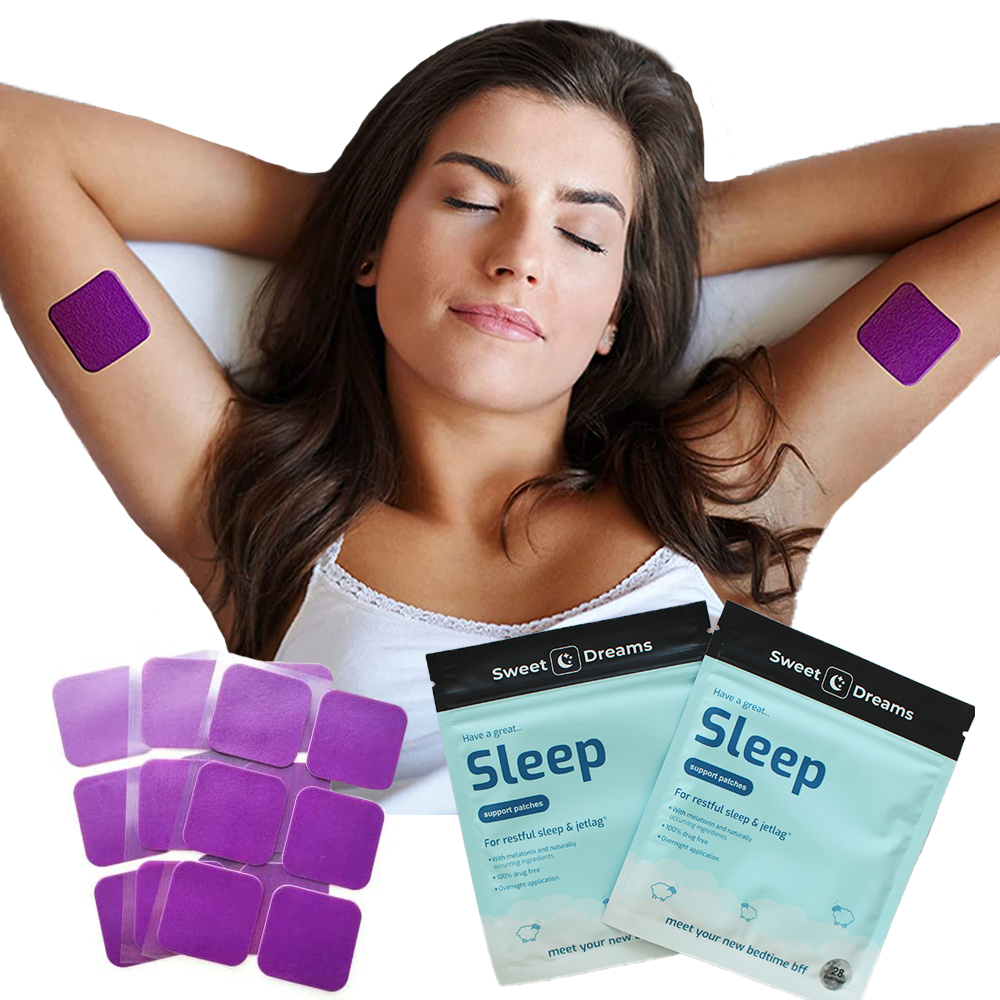
In today's fast-paced world, millions of people struggle with sleep disorders, insomnia, and restless nights that leave them feeling drained and unproductive. Traditional sleep aids often come with unwanted side effects or dependency concerns, leading many individuals to explore alternative solutions. Among the emerging options, sleep patches have gained significant attention as a non-invasive, convenient way to promote better rest and relaxation. These transdermal delivery systems offer a unique approach to sleep support by gradually releasing beneficial compounds through the skin throughout the night.
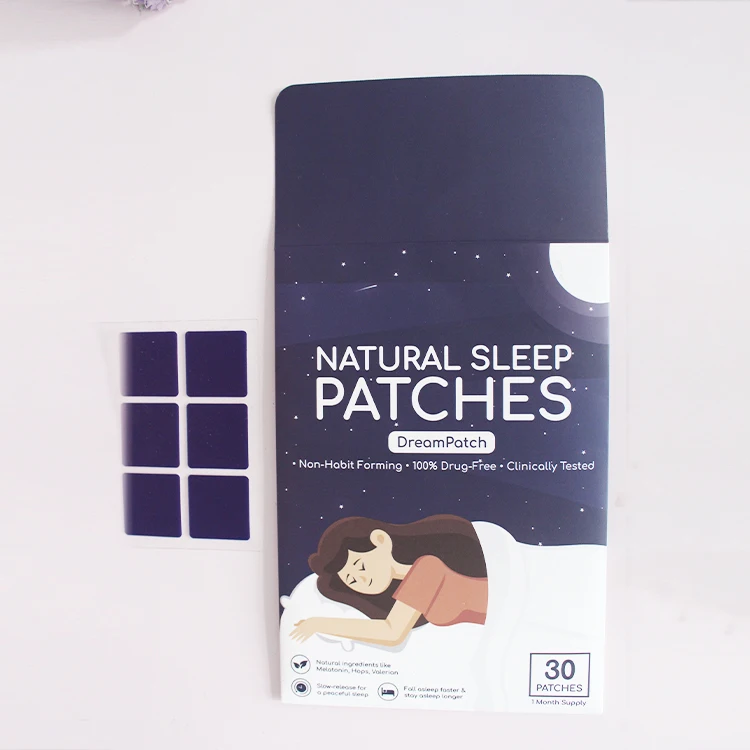
The growing popularity of sleep patches reflects a broader shift toward natural, holistic approaches to wellness and sleep management. Unlike oral supplements that must be processed through the digestive system, sleep patches deliver active ingredients directly through the skin, potentially offering more consistent and sustained effects. This method of delivery bypasses the liver's first-pass metabolism, which can break down oral supplements before they reach their intended targets. As consumers become more educated about their options, understanding the key factors that differentiate various sleep patches becomes crucial for making informed decisions.
Selecting the right sleep patches requires careful consideration of multiple factors, from ingredient composition and quality to manufacturing standards and individual health needs. The market offers numerous options, each claiming unique benefits and superior formulations. However, not all sleep patches are created equal, and what works for one person may not be suitable for another. This comprehensive guide explores the essential factors that should guide your decision-making process when evaluating different sleep patches available in today's marketplace.
Understanding the Science Behind Sleep Patches
Transdermal Delivery Mechanisms
The effectiveness of sleep patches relies on sophisticated transdermal delivery technology that allows active ingredients to penetrate the skin barrier and enter the bloodstream. This process involves multiple layers of the skin, including the stratum corneum, epidermis, and dermis, each presenting unique challenges for ingredient absorption. Modern sleep patches utilize various enhancement techniques such as penetration enhancers, micro-needles, or specialized adhesive formulations to improve ingredient delivery rates and bioavailability.
The skin's permeability varies across different body locations, with areas like the inner wrist, behind the ears, and the upper arm typically offering better absorption rates for sleep patches. Temperature, humidity, and individual skin characteristics also influence how effectively ingredients penetrate and reach systemic circulation. Understanding these factors helps explain why some users experience faster or more pronounced effects from sleep patches compared to others.
Controlled release technology in sleep patches ensures that active ingredients are delivered gradually over several hours, maintaining steady blood levels throughout the night. This sustained release mechanism differs significantly from the rapid absorption and elimination patterns seen with oral sleep aids, potentially providing more consistent sleep support without the peaks and valleys associated with traditional supplements.
Active Ingredient Absorption Rates
Different active ingredients used in sleep patches have varying molecular weights, lipophilicity, and chemical properties that affect their ability to penetrate skin barriers. Melatonin, one of the most common ingredients in sleep patches, has favorable characteristics for transdermal delivery due to its relatively small molecular size and moderate lipophilicity. However, the actual absorption rate can vary significantly between individuals based on factors like age, skin thickness, and overall health status.
Research indicates that transdermal absorption of sleep-promoting compounds typically begins within 30 to 60 minutes of patch application, with peak blood levels achieved within 2 to 4 hours. This timing aligns well with natural sleep onset patterns, making sleep patches particularly suitable for individuals who struggle with falling asleep rather than staying asleep throughout the night.
The bioavailability of ingredients delivered through sleep patches can sometimes exceed that of oral formulations, particularly for compounds that undergo extensive first-pass metabolism in the liver. This enhanced bioavailability means that lower doses may be required to achieve therapeutic effects, potentially reducing the risk of side effects while maintaining efficacy.
Evaluating Ingredient Quality and Composition
Natural versus Synthetic Components
The choice between natural and synthetic ingredients in sleep patches represents a fundamental consideration that affects both efficacy and safety profiles. Natural ingredients derived from botanical sources, such as valerian root extract, chamomile, or passionflower, often appeal to consumers seeking holistic wellness solutions. These plant-based compounds typically contain multiple bioactive constituents that may work synergistically to promote relaxation and sleep, though their potency can vary based on extraction methods and source quality.
Synthetic ingredients, particularly synthetic melatonin, offer advantages in terms of consistency, purity, and standardization. Pharmaceutical-grade synthetic compounds undergo rigorous quality control processes that ensure batch-to-batch uniformity and eliminate potential contaminants found in some natural extracts. However, some individuals may prefer natural alternatives due to personal philosophy or concerns about long-term synthetic compound exposure.
High-quality sleep patches often combine both natural and synthetic ingredients to leverage the benefits of each approach. This hybrid formulation strategy allows manufacturers to include standardized active compounds while incorporating complementary botanical extracts that may enhance overall effectiveness or provide additional wellness benefits.
Concentration Levels and Dosage Considerations
The concentration of active ingredients in sleep patches directly impacts their effectiveness and determines appropriate usage patterns. Melatonin concentrations typically range from 1mg to 10mg per patch, with higher concentrations not necessarily indicating superior products. Individual melatonin requirements vary significantly based on age, circadian rhythm disruptions, and underlying sleep disorders, making personalized dosage selection crucial for optimal results.
Other common ingredients like L-theanine, GABA, or herbal extracts are typically present in lower concentrations but can still contribute meaningfully to overall sleep quality when properly formulated for transdermal delivery. The key lies in achieving the right balance of ingredients that work synergistically without causing excessive sedation or unwanted side effects.
Professional-grade sleep patches often provide clear information about ingredient concentrations and recommended usage guidelines, allowing users to make informed decisions about appropriate dosages for their specific needs. Some manufacturers offer different strength options within their product lines, enabling users to start with lower concentrations and adjust as needed based on individual response patterns.
Manufacturing Standards and Quality Assurance
FDA Regulations and Compliance
While sleep patches fall into a regulatory gray area between cosmetics and medical devices, reputable manufacturers voluntarily adhere to FDA guidelines and good manufacturing practices to ensure product safety and quality. FDA registration of manufacturing facilities indicates a commitment to maintaining high standards in production processes, ingredient sourcing, and quality control procedures.
Third-party testing and certification provide additional assurance about product quality, with independent laboratories verifying ingredient potency, purity, and the absence of harmful contaminants. Certificates of analysis should be readily available from manufacturers, detailing test results for heavy metals, pesticides, microbials, and other potential contaminants that could affect product safety.
Manufacturing facilities that follow ISO standards or other internationally recognized quality management systems demonstrate a systematic approach to quality assurance that extends beyond regulatory minimums. These standards encompass everything from raw material sourcing and storage to final product testing and packaging procedures.
Patch Design and Adhesive Technology
The physical design of sleep patches significantly impacts user experience and ingredient delivery effectiveness. High-quality patches utilize medical-grade adhesives that maintain secure attachment throughout the night without causing skin irritation or leaving residue upon removal. The adhesive formulation must balance strong adherence with gentle removal properties, particularly important for individuals with sensitive skin.
Patch size and thickness affect both comfort and ingredient delivery rates, with optimal designs maximizing surface area for ingredient release while minimizing bulk that might interfere with sleep comfort. Advanced patch designs incorporate reservoir systems or matrix technologies that control ingredient release rates and prevent dose dumping that could cause unwanted side effects.
Breathable patch materials allow for normal skin respiration and moisture management, reducing the risk of skin irritation during extended wear periods. Some manufacturers incorporate additional features like rounded corners, flexible materials, or transparent designs that enhance user comfort and discretion during wear.
Individual Health Considerations and Safety
Medical Conditions and Contraindications
Individuals with certain medical conditions must exercise particular caution when selecting sleep patches, as some ingredients may interact with existing medications or exacerbate underlying health issues. People with autoimmune disorders, for instance, should consult healthcare providers before using melatonin-containing sleep patches, as melatonin can potentially stimulate immune system activity in some cases.
Cardiovascular conditions, diabetes, and liver disease may also influence the suitability of specific sleep patch ingredients or concentrations. The transdermal delivery method means that ingredients bypass initial liver metabolism, potentially leading to higher bioavailability than expected for individuals accustomed to oral supplements of similar compounds.
Pregnancy and breastfeeding present additional considerations, as the safety of many sleep-promoting compounds during these periods remains unclear. Even natural ingredients can cross the placental barrier or appear in breast milk when delivered transdermally, making professional medical guidance essential for expectant or nursing mothers considering sleep patches.
Age-Related Factors and Dosage Adjustments
Age significantly affects both sleep patterns and the body's response to sleep-promoting compounds, making age-appropriate product selection crucial for optimal results. Older adults often require lower melatonin doses due to changes in hormone sensitivity and metabolism, while younger individuals may benefit from different ingredient combinations that address specific sleep challenges common to their age group.
Children and adolescents represent special populations where sleep patches should only be used under professional supervision, as developing circadian rhythms and hormonal systems may respond differently to exogenous sleep-promoting compounds. Many manufacturers specify minimum age requirements for their sleep patches, reflecting these important developmental considerations.
Skin changes associated with aging, including reduced thickness and altered barrier function, can affect ingredient absorption rates and tolerability of adhesive materials. Older adults may need to monitor skin reactions more closely and consider patches specifically designed for sensitive or mature skin types.
Cost-Effectiveness and Value Analysis
Price Comparison Methodologies
Evaluating the cost-effectiveness of different sleep patches requires analysis beyond simple price per unit, considering factors like ingredient concentrations, recommended usage frequency, and overall treatment duration. Some higher-priced sleep patches may actually provide better value when their superior ingredient quality or longer-lasting effects are considered in cost-per-night calculations.
Bulk purchasing options and subscription services can significantly reduce per-unit costs for individuals who plan to use sleep patches regularly. However, it's important to verify product expiration dates and storage requirements to ensure that bulk purchases maintain their potency throughout the intended usage period.
Comparing sleep patches to alternative sleep aids provides broader context for value assessment, considering not only direct costs but also factors like convenience, side effect profiles, and overall treatment satisfaction. The non-habit-forming nature of most sleep patches may provide long-term value advantages over prescription sleep medications that carry dependency risks.
Long-term Investment Considerations
The potential for developing tolerance to sleep patch ingredients varies depending on the specific compounds used and individual physiological factors. Products that rely heavily on melatonin may require periodic breaks or cycling to maintain effectiveness, while patches incorporating diverse natural ingredients may provide more sustained benefits over extended periods.
Investment in high-quality sleep patches may yield broader health benefits beyond improved sleep, including enhanced immune function, better mood regulation, and increased daytime productivity. These secondary benefits contribute to overall value but can be difficult to quantify in direct cost comparisons.
Some individuals find that consistent use of quality sleep patches enables them to reduce or eliminate other sleep-related expenses, such as prescription medications, specialized pillows, or sleep clinic visits. This broader perspective on cost-effectiveness can justify higher upfront investments in premium sleep patch products.
User Experience and Practical Considerations
Application Process and Convenience
The ease of application and removal significantly impacts user satisfaction and long-term adherence to sleep patch routines. Quality sleep patches should feature intuitive application processes with clear instructions and visual indicators for proper placement. Packaging design affects convenience, with individual sealed pouches protecting patch integrity while enabling easy portability for travel.
Removal processes should be gentle and residue-free, avoiding the need for special solvents or aggressive rubbing that could irritate skin. Some advanced sleep patches incorporate easy-removal tabs or special adhesive formulations that maintain strong adherence during wear but release cleanly when removal is desired.
Application timing recommendations vary between products, with some requiring 30-60 minutes before desired sleep time while others can be applied immediately before bed. Understanding these timing requirements helps users integrate sleep patches effectively into their bedtime routines without disrupting established habits.
Comfort and Tolerability During Sleep
Physical comfort during sleep represents a critical factor that can make or break the sleep patch experience, regardless of ingredient effectiveness. Patches that cause awareness, irritation, or movement restriction can actually worsen sleep quality despite delivering beneficial compounds. The best sleep patches become virtually unnoticeable once applied, allowing for natural sleep positions and movements throughout the night.
Skin sensitivity varies greatly between individuals, making hypoallergenic formulations and gentle adhesives important considerations for many users. Some manufacturers offer sample sizes or trial packages that allow individuals to test tolerability before committing to larger purchases, reducing the risk of adverse reactions or product waste.
Temperature regulation during sleep can be affected by patch placement and materials, with some designs incorporating breathable materials that prevent heat buildup or excessive moisture retention. These design features become particularly important for individuals who naturally sleep warm or live in humid climates where skin irritation risks are elevated.
Frequently Asked Questions
How long does it typically take for sleep patches to show noticeable effects?
Most users report initial effects from sleep patches within 30 to 90 minutes of application, with full benefits typically developing over the first week of consistent use. The transdermal delivery method means that ingredient absorption begins relatively quickly, but individual factors like skin thickness, body temperature, and metabolism can influence onset timing. Some people experience immediate relaxation effects, while others may need several nights of use to notice significant improvements in sleep quality. For optimal results, it's recommended to use sleep patches consistently for at least one week while maintaining good sleep hygiene practices.
Can sleep patches be used safely alongside prescription sleep medications?
The safety of combining sleep patches with prescription medications depends on the specific ingredients in both products and individual health factors. It's essential to consult with a healthcare provider before using sleep patches if you're taking any prescription sleep aids, antidepressants, or other medications that affect sleep or neurological function. Some ingredients in sleep patches, particularly melatonin, can interact with certain medications or amplify sedative effects. Your healthcare provider can help determine appropriate combinations and dosing adjustments if needed to ensure both safety and effectiveness.
What should I do if I experience skin irritation from sleep patches?
If you experience skin irritation, redness, or allergic reactions from sleep patches, remove the patch immediately and clean the application area with mild soap and water. Apply a cool compress to reduce inflammation and avoid using any additional products on the affected area until irritation subsides. For future use, consider trying a different brand with hypoallergenic adhesives or testing the patch on a small skin area before full application. If irritation persists or is severe, consult a healthcare provider or dermatologist. Some individuals may benefit from rotating application sites or using patches designed specifically for sensitive skin.
Are there any dietary or lifestyle factors that can affect sleep patch effectiveness?
Several lifestyle factors can influence how effectively sleep patches work, including caffeine consumption timing, alcohol intake, exercise schedules, and overall sleep environment. Consuming caffeine within 6 hours of bedtime can counteract the relaxing effects of sleep patches, while alcohol may interfere with natural sleep cycles despite initial sedating effects. Regular exercise generally improves sleep quality but should be completed at least 3 hours before bedtime to avoid stimulating effects. Creating an optimal sleep environment with appropriate temperature, darkness, and minimal noise enhances the effectiveness of sleep patches and any other sleep aids. Maintaining consistent bedtime routines also helps maximize the benefits of sleep patches by working with your body's natural circadian rhythms.
Table of Contents
- Understanding the Science Behind Sleep Patches
- Evaluating Ingredient Quality and Composition
- Manufacturing Standards and Quality Assurance
- Individual Health Considerations and Safety
- Cost-Effectiveness and Value Analysis
- User Experience and Practical Considerations
-
Frequently Asked Questions
- How long does it typically take for sleep patches to show noticeable effects?
- Can sleep patches be used safely alongside prescription sleep medications?
- What should I do if I experience skin irritation from sleep patches?
- Are there any dietary or lifestyle factors that can affect sleep patch effectiveness?
