
 EN
EN
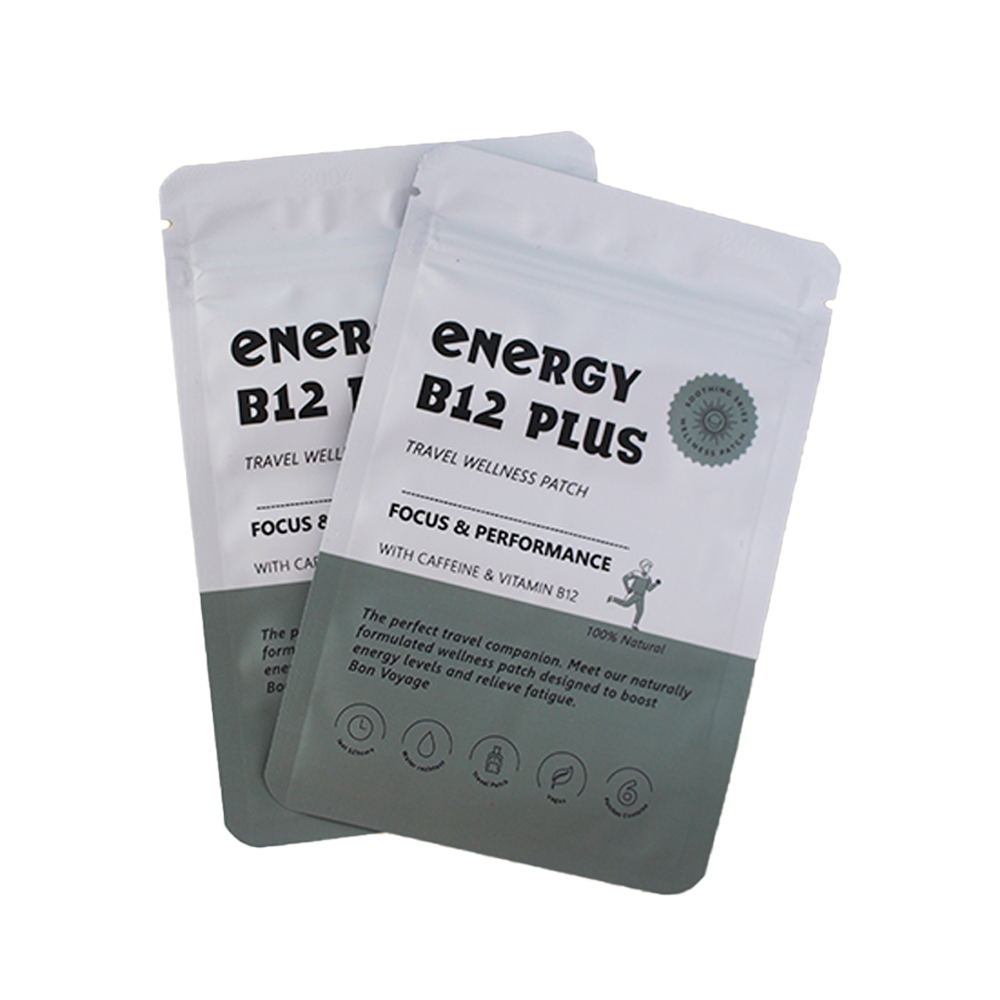
Modern life presents countless challenges to achieving quality sleep, from work-related stress to environmental factors that disrupt natural sleep cycles. Many individuals struggle with falling asleep quickly or maintaining deep, restorative sleep throughout the night. Sleep patches have emerged as an innovative solution that offers a convenient, non-invasive approach to improving sleep quality without the need for oral medications or complex bedtime rituals.
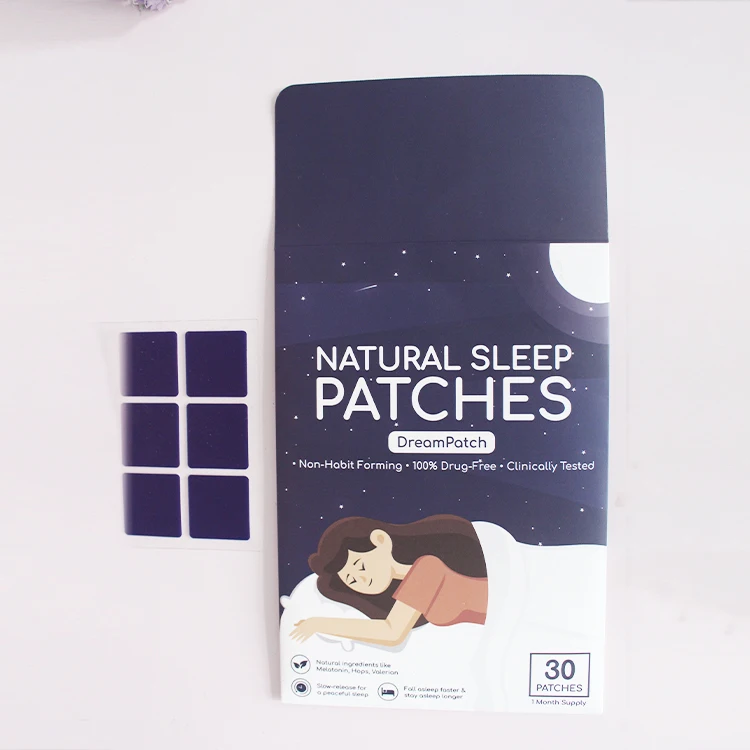
These transdermal delivery systems work by gradually releasing sleep-promoting ingredients through the skin, providing sustained benefits throughout the night. Unlike traditional sleep aids that must be metabolized through the digestive system, sleep patches deliver active compounds directly into the bloodstream, potentially offering more consistent and prolonged effects. The growing popularity of these patches reflects a broader shift toward natural, user-friendly sleep solutions that can be seamlessly integrated into existing routines.
Understanding how to properly incorporate sleep patches into your nightly routine requires knowledge of their mechanisms, optimal timing, and complementary practices that enhance their effectiveness. This comprehensive approach ensures maximum benefit from this innovative sleep technology while maintaining consistency in your overall wellness regimen.
Understanding Sleep Patch Technology and Benefits
Transdermal Delivery Mechanisms
Sleep patches utilize advanced transdermal technology to deliver active ingredients through the skin barrier and into systemic circulation. This method bypasses the digestive system entirely, avoiding potential stomach irritation and the variable absorption rates associated with oral supplements. The patch design typically incorporates multiple layers, including an adhesive layer that contains the active ingredients, a backing layer for protection, and sometimes a rate-controlling membrane that regulates ingredient release.
The effectiveness of transdermal delivery depends on several factors, including skin permeability, patch adhesion quality, and the molecular characteristics of the active compounds. Most sleep patches are designed to maintain consistent ingredient release over 6-8 hours, aligning with typical sleep duration requirements. This sustained delivery profile helps maintain stable blood levels of sleep-promoting compounds throughout the night, potentially reducing the likelihood of early morning awakening.
Natural Ingredient Profiles
Contemporary sleep patches frequently incorporate naturally-derived ingredients that support various aspects of the sleep process. Melatonin remains one of the most common components, as this hormone naturally regulates circadian rhythms and signals the body to prepare for sleep. The transdermal delivery of melatonin may offer advantages over oral forms by providing more gradual absorption and potentially reducing morning grogginess.
Beyond melatonin, many sleep patches include complementary botanical extracts such as valerian root, chamomile, or lavender essential oils. These ingredients have been traditionally used for their calming and sedative properties, working synergistically with melatonin to promote relaxation and sleep onset. The combination approach allows for lower concentrations of individual ingredients while potentially achieving enhanced overall effectiveness through ingredient interactions.
Optimal Timing and Application Strategies
Pre-Sleep Application Windows
The timing of sleep patch application plays a crucial role in maximizing their effectiveness within your nightly routine. Most experts recommend applying the patch 30-60 minutes before your intended bedtime, allowing sufficient time for initial ingredient absorption and the beginning of therapeutic effects. This timing window ensures that sleep-promoting compounds begin circulating as you engage in other pre-sleep activities.
Individual response times may vary based on factors such as skin thickness, circulation patterns, and personal sensitivity to the active ingredients. Some users find that applying sleep patches earlier in their evening routine, perhaps 90 minutes before bed, provides optimal results. Experimenting with different application times while maintaining consistent sleep schedules can help identify the most effective timing for your specific needs and lifestyle.
Proper Application Techniques
Correct application technique significantly influences the performance and comfort of sleep patches throughout the night. Begin by selecting an appropriate skin location, typically on clean, dry skin areas such as the upper arm, shoulder, or chest, avoiding areas with excessive hair or frequent movement. These locations provide good skin contact while minimizing the risk of patch displacement during sleep movements.
Before application, gently clean the chosen area with mild soap and water, then dry thoroughly to ensure optimal adhesion. Remove the protective backing from the sleep patch and apply it firmly, pressing from the center outward to eliminate air bubbles and ensure complete skin contact. Proper adhesion is essential for consistent ingredient delivery and prevents premature patch removal during normal sleep movements.
Creating Synergistic Bedtime Routines
Complementary Relaxation Practices
Integrating sleep patches with established relaxation techniques can amplify their sleep-promoting effects and create a comprehensive approach to bedtime preparation. Consider incorporating gentle stretching, meditation, or progressive muscle relaxation exercises after applying your sleep patch. These activities complement the physiological effects of the patch ingredients while helping to mentally transition from daily stressors to a sleep-ready state.
Reading, listening to calming music, or practicing deep breathing exercises can further enhance the relaxation response initiated by sleep patches. The key is establishing a consistent sequence of activities that signals to your body and mind that sleep time is approaching. This routine conditioning works alongside the biochemical effects of sleep patches to create powerful sleep-inducing associations.
Environmental Optimization
The sleep environment plays a critical role in maximizing the effectiveness of sleep patches and supporting overall sleep quality. Ensure your bedroom maintains a cool temperature, typically between 60-67 degrees Fahrenheit, as this range supports the body's natural temperature drop that occurs during sleep onset. Darkness is equally important, so consider blackout curtains or eye masks to minimize light exposure that could interfere with melatonin production and sleep patch effectiveness.
Noise control contributes significantly to sleep quality and can enhance the benefits provided by sleep patches. White noise machines, earplugs, or other sound-masking devices help maintain consistent auditory conditions throughout the night. When combined with the sustained ingredient delivery from sleep patches, these environmental modifications create optimal conditions for deep, uninterrupted sleep cycles.
Maximizing Long-term Effectiveness
Consistency and Routine Development
Long-term success with sleep patches requires consistent application timing and routine adherence. Establishing a regular sleep schedule that includes patch application at the same time each evening helps train your circadian rhythm and maximizes the cumulative benefits of regular use. This consistency is particularly important during the initial adaptation period as your body adjusts to the new sleep support system.
Track your sleep quality, application timing, and any factors that might influence effectiveness to identify patterns and optimize your routine. Many users find that maintaining a sleep diary helps identify the most effective application strategies and timing adjustments. This systematic approach ensures continuous improvement in sleep quality and helps maintain the long-term benefits of incorporating sleep patches into your wellness routine.
Lifestyle Integration Strategies
Successful integration of sleep patches extends beyond simple application to encompass broader lifestyle factors that support healthy sleep patterns. Regular exercise, completed at least 3-4 hours before bedtime, can enhance the effectiveness of sleep patches by naturally promoting relaxation and fatigue. However, avoid vigorous exercise close to bedtime, as this may counteract the calming effects of sleep-promoting ingredients.
Dietary considerations also influence sleep patch effectiveness, particularly regarding caffeine and alcohol consumption in the evening hours. Limiting stimulants and maintaining consistent meal timing supports the natural sleep-wake cycle and allows sleep patches to work optimally. Consider incorporating foods rich in sleep-supporting nutrients, such as magnesium and tryptophan, to complement the effects of transdermal sleep aids.
Monitoring Results and Adjusting Protocols
Sleep Quality Assessment Methods
Regular monitoring of sleep quality helps determine the effectiveness of sleep patches and guides necessary adjustments to your routine. Subjective measures such as morning alertness levels, ease of falling asleep, and frequency of nighttime awakenings provide valuable insights into patch performance. Maintaining consistent evaluation criteria allows for accurate assessment of changes and improvements over time.
Objective monitoring tools, including sleep tracking devices or smartphone applications, can provide additional data on sleep duration, sleep stages, and movement patterns. While these technologies have limitations, they offer useful supplementary information when combined with subjective assessments. The combination of objective and subjective monitoring creates a comprehensive picture of how sleep patches are influencing your overall sleep experience.
Protocol Adjustments and Optimization
Based on monitoring results, you may need to adjust various aspects of your sleep patch routine to optimize effectiveness. This might include changing application timing, trying different patch placement locations, or modifying complementary bedtime activities. Small, systematic changes allow you to identify which adjustments provide the greatest improvements in sleep quality.
Consider cycling sleep patch use if you find that effectiveness diminishes over time, as temporary breaks can help maintain sensitivity to the active ingredients. Some users benefit from alternating between different formulations or combining patches with other natural sleep aids on a rotating basis. The key is maintaining flexibility while preserving the core elements of your routine that consistently support quality sleep.
FAQ
How long does it take for sleep patches to show noticeable effects
Most users begin experiencing benefits from sleep patches within the first few nights of use, though optimal effects typically develop over 1-2 weeks of consistent application. Individual response times vary based on factors such as skin absorption rates, baseline sleep quality, and sensitivity to the active ingredients. Some people notice improved sleep onset within 30-45 minutes of application, while others may require several nights to observe significant changes in sleep duration and quality.
Can sleep patches be used every night without developing tolerance
Sleep patches can generally be used nightly for extended periods without significant tolerance development, particularly those containing natural ingredients like melatonin and botanical extracts. However, some users benefit from occasional breaks or cycling different formulations to maintain optimal effectiveness. If you notice diminishing effects over time, consider taking a 3-5 day break every few weeks or consulting with a healthcare provider about your specific usage pattern and needs.
What should you do if a sleep patch causes skin irritation
If skin irritation occurs, immediately remove the patch and clean the area with mild soap and water. Try applying future patches to different skin locations, ensuring the area is completely clean and dry before application. Some users find that rotating patch placement sites prevents irritation from developing. If irritation persists or is severe, discontinue use and consult with a healthcare professional, as you may have sensitivity to specific patch components or adhesive materials.
Are there any interactions between sleep patches and other sleep aids
Sleep patches may interact with other sleep medications or supplements, particularly those containing similar active ingredients like melatonin. Combining multiple sleep aids can potentially lead to excessive sedation or prolonged drowsiness. Always consult with a healthcare provider before using sleep patches alongside prescription sleep medications, over-the-counter sleep aids, or other supplements. This is especially important if you take medications for other health conditions or have underlying medical concerns that affect sleep.
