 EN
EN

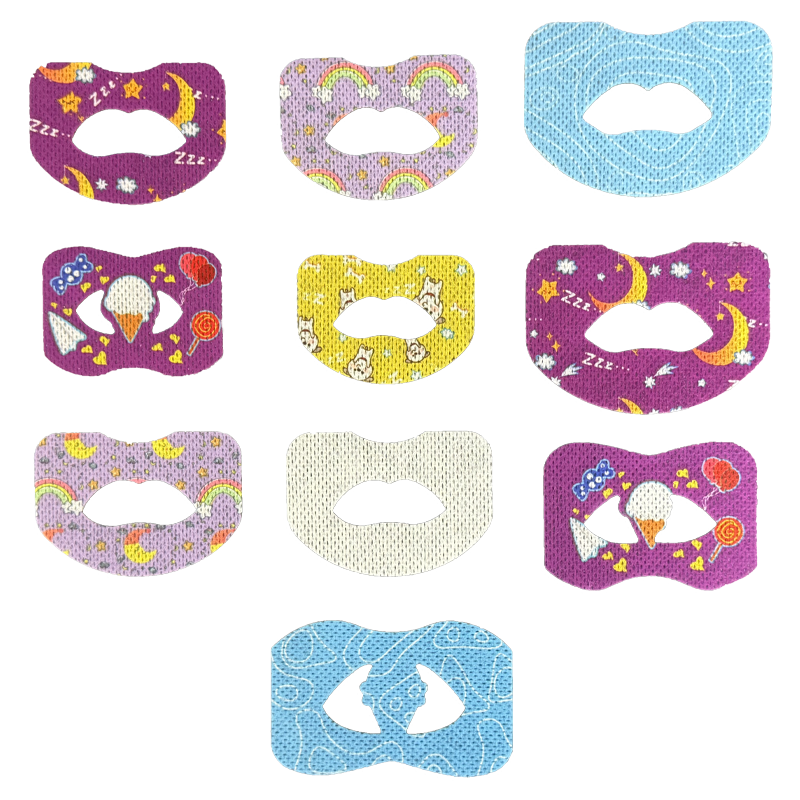
Selecting the right breath tape material for extended wear requires careful consideration of skin sensitivity, adhesive strength, and overall comfort during both daytime activities and nighttime sleep. The choice between different breath tape material options significantly impacts user experience, particularly for individuals who require consistent mouth breathing control throughout extended periods. Understanding the specific characteristics of various materials helps users make informed decisions based on their unique comfort requirements and skin sensitivity levels.
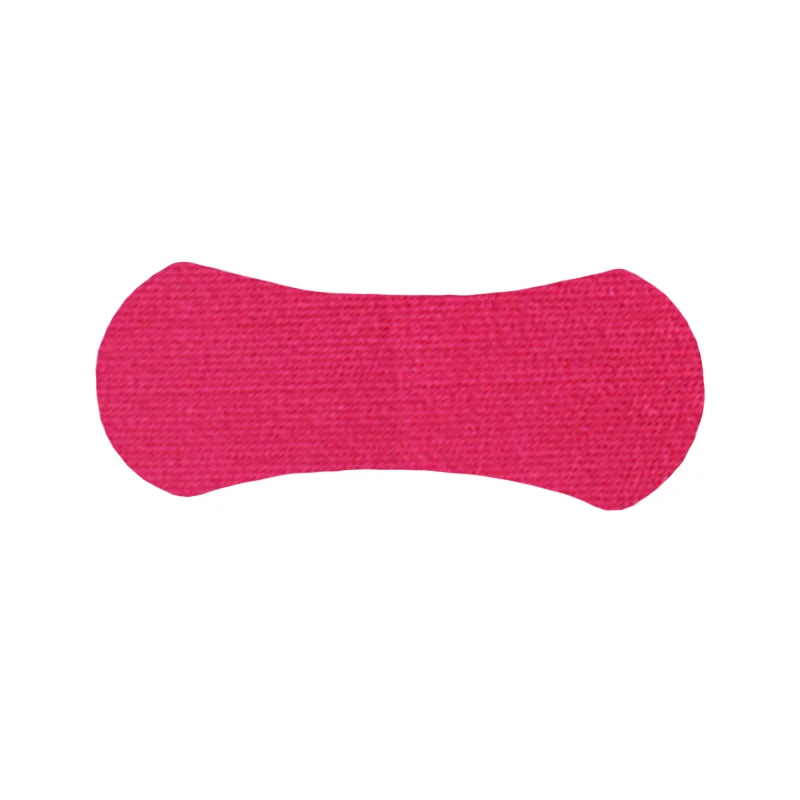
The most comfortable breath tape material for extended use typically combines gentle adhesion with breathable fabric construction that allows natural skin respiration while maintaining secure positioning. Modern breath tape material innovations focus on hypoallergenic properties and skin-friendly formulations that minimize irritation during prolonged contact. Factors such as material flexibility, moisture resistance, and removal ease become critical considerations when evaluating different breath tape material options for extended daytime or nighttime applications.
Understanding Breath Tape Material Composition and Comfort Factors
Hypoallergenic Fabric Construction
The foundation of comfortable breath tape material lies in hypoallergenic fabric construction that minimizes allergic reactions and skin irritation during extended wear. Medical-grade breath tape material typically utilizes cotton-based or synthetic hypoallergenic fibers that allow natural skin breathing while maintaining consistent adhesion. These materials undergo rigorous testing to ensure compatibility with sensitive skin types and prolonged contact scenarios.
High-quality breath tape material incorporates breathable weave patterns that facilitate air circulation around the application area, reducing moisture buildup and potential skin maceration. The fabric structure of premium breath tape material balances durability with comfort, ensuring the tape maintains its integrity throughout extended wear periods without compromising skin health. Understanding these construction principles helps users identify breath tape material options that prioritize comfort without sacrificing effectiveness.
Adhesive Technology and Skin Compatibility
The adhesive component of breath tape material plays a crucial role in determining comfort levels during extended use, particularly for individuals with sensitive skin conditions. Advanced breath tape material formulations utilize skin-friendly adhesives that provide secure attachment without causing irritation or leaving residue upon removal. These specialized adhesives maintain consistent bonding strength throughout wear periods while allowing for gentle, pain-free removal.
Modern breath tape material adhesive technology focuses on repositionable formulations that allow for adjustment during application without compromising overall effectiveness. The adhesive strength of quality breath tape material remains consistent across varying environmental conditions, including changes in humidity and temperature that commonly occur during nighttime use. This consistency ensures reliable performance without requiring frequent readjustment or replacement.
Evaluating Material Performance for Extended Wear Applications
Daytime Wear Considerations
Daytime use of breath tape material requires consideration of factors such as speech clarity, eating comfort, and professional appearance during extended wear periods. The ideal breath tape material for daytime applications maintains a low-profile appearance while providing consistent mouth positioning support throughout active daily routines. Material flexibility becomes particularly important for daytime wear, as facial movements and expressions require breath tape material that adapts without compromising adhesion.
Breathable breath tape material construction prevents moisture accumulation during daytime activities, reducing the likelihood of skin irritation or adhesive failure due to perspiration. The material should maintain its structural integrity during normal daily activities while remaining comfortable enough for extended wear periods. Users engaging in professional or social interactions benefit from breath tape material that provides effective function without drawing unwanted attention or causing speaking difficulties.
Nighttime Sleep Optimization
Nighttime applications of breath tape material require enhanced comfort features to support uninterrupted sleep quality throughout extended wear periods. The material must maintain secure positioning during natural sleep movements while remaining gentle enough to avoid disrupting sleep due to discomfort or skin irritation. Quality breath tape material for nighttime use incorporates moisture-wicking properties that manage natural overnight perspiration without compromising adhesive performance.
The removal process becomes particularly important for nighttime breath tape material use, as morning removal should be gentle and residue-free to support daily skincare routines. Sleep-optimized breath tape material formulations account for the extended contact time and varying sleep positions that can affect tape performance throughout the night. Users with sensitive skin or those prone to skin reactions benefit from breath tape material specifically formulated for extended overnight contact.
Comparing Comfort Characteristics Across Material Types
Natural Fiber Breath Tape Materials
Natural fiber breath tape material options, particularly those incorporating cotton or bamboo fibers, offer superior breathability and skin compatibility for extended wear applications. These materials provide excellent moisture management properties that support comfortable wear during both daytime and nighttime use. Natural fiber breath tape material typically demonstrates enhanced softness against the skin, reducing the likelihood of irritation during prolonged contact periods.
The inherent properties of natural fiber breath tape material include antimicrobial characteristics that help maintain hygiene during extended wear periods. These materials often exhibit superior flexibility and conformability, adapting to facial contours and movements without causing discomfort or adhesive failure. Users with chemical sensitivities or those seeking environmentally conscious options often prefer natural fiber breath tape material for its reduced synthetic content and biodegradable properties.
Synthetic Advanced Material Options
Advanced synthetic breath tape material incorporates engineered fibers and polymer technologies that optimize comfort characteristics for extended wear applications. These materials often provide enhanced durability and consistent performance across varying environmental conditions while maintaining skin-friendly properties. Synthetic breath tape material can be precisely formulated to achieve specific comfort parameters, including optimal adhesion strength and removal characteristics.
High-performance synthetic breath tape material often incorporates specialized coatings or treatments that enhance comfort during extended wear periods. These advanced formulations can provide superior moisture resistance while maintaining breathability, making them suitable for users with active lifestyles or those living in humid environments. The consistency and predictability of synthetic breath tape material performance make them reliable options for users requiring dependable comfort throughout extended wear periods.
Optimizing Material Selection for Individual Comfort Needs
Skin Sensitivity Assessment
Determining the most comfortable breath tape material for extended wear begins with accurate assessment of individual skin sensitivity levels and potential allergen concerns. Users with known sensitivities to specific materials or adhesives should prioritize breath tape material options that have undergone dermatological testing and carry hypoallergenic certifications. Patch testing small areas with different breath tape material samples can help identify the most compatible options before committing to extended wear periods.
The location and extent of skin sensitivity can influence breath tape material selection, as some individuals may experience reactions only after extended contact periods. Understanding personal skin characteristics, including moisture levels, pH balance, and reaction patterns, helps guide the selection of breath tape material formulations that minimize discomfort risks. Users with particularly sensitive skin may benefit from breath tape material options that incorporate soothing ingredients or protective barriers between the adhesive and skin surface.
Lifestyle and Usage Pattern Matching
Matching breath tape material characteristics to specific lifestyle requirements and usage patterns ensures optimal comfort during extended wear periods. Active individuals may require breath tape material with enhanced moisture resistance and secure adhesion properties, while those with sedentary lifestyles might prioritize gentle removal and skin-friendly formulations. Understanding daily routines, sleep patterns, and environmental factors helps identify breath tape material options that align with specific comfort needs.
The frequency and duration of breath tape material use influence comfort requirements, as regular users may develop preferences for specific material characteristics over time. Environmental factors such as humidity levels, temperature variations, and air quality can affect breath tape material performance and comfort levels during extended wear. Users should consider seasonal variations and travel requirements when selecting breath tape material options that maintain consistent comfort across different conditions.
FAQ
What makes breath tape material comfortable for sensitive skin during extended wear?
Comfortable breath tape material for sensitive skin incorporates hypoallergenic adhesives and breathable fabric construction that minimizes irritation during extended contact. The most comfortable options use medical-grade materials with gentle adhesion properties that allow for easy removal without skin damage or residue. Quality breath tape material designed for sensitive skin undergoes dermatological testing and avoids common irritants such as latex or strong chemical adhesives.
How long can breath tape material be worn safely for extended daytime or nighttime use?
Most high-quality breath tape material can be worn safely for 8-12 hours continuously, with some premium formulations designed for up to 24-hour wear periods. The safe wear duration depends on individual skin sensitivity, environmental conditions, and the specific breath tape material composition. Users should monitor skin condition during extended wear and remove the tape if any irritation, redness, or discomfort develops, regardless of the manufacturer's recommended wear time.
Can breath tape material maintain comfort during sleep movements and position changes?
Quality breath tape material designed for nighttime use maintains comfort and secure positioning despite natural sleep movements and position changes. The most comfortable options incorporate flexible adhesive formulations and conformable material construction that adapts to facial movements without causing discomfort or losing adhesion. Premium breath tape material for sleep applications balances secure attachment with gentle flexibility to accommodate normal sleep behaviors without disrupting rest quality.
What should I do if breath tape material causes discomfort during extended wear?
If breath tape material causes discomfort during extended wear, remove it immediately and assess the skin condition for signs of irritation or allergic reaction. Allow the skin to rest and recover before trying alternative breath tape material options with different adhesive formulations or fabric compositions. Consider consulting with healthcare providers if skin reactions persist, and always patch test new breath tape material products before extended use to identify potential compatibility issues.
Table of Contents
- Understanding Breath Tape Material Composition and Comfort Factors
- Evaluating Material Performance for Extended Wear Applications
- Comparing Comfort Characteristics Across Material Types
- Optimizing Material Selection for Individual Comfort Needs
-
FAQ
- What makes breath tape material comfortable for sensitive skin during extended wear?
- How long can breath tape material be worn safely for extended daytime or nighttime use?
- Can breath tape material maintain comfort during sleep movements and position changes?
- What should I do if breath tape material causes discomfort during extended wear?
