
 EN
EN
Side sleeping is the most common sleep position, adopted by approximately 60% of adults worldwide. However, this position presents unique challenges for maintaining proper nasal breathing throughout the night. When sleeping on your side, gravity and pillow pressure can affect airway positioning, making it easier for the mouth to fall open and disrupt optimal breathing patterns. Understanding the specific requirements for mouth tape for side sleepers becomes crucial for maintaining consistent nasal breathing and improving sleep quality in this position.
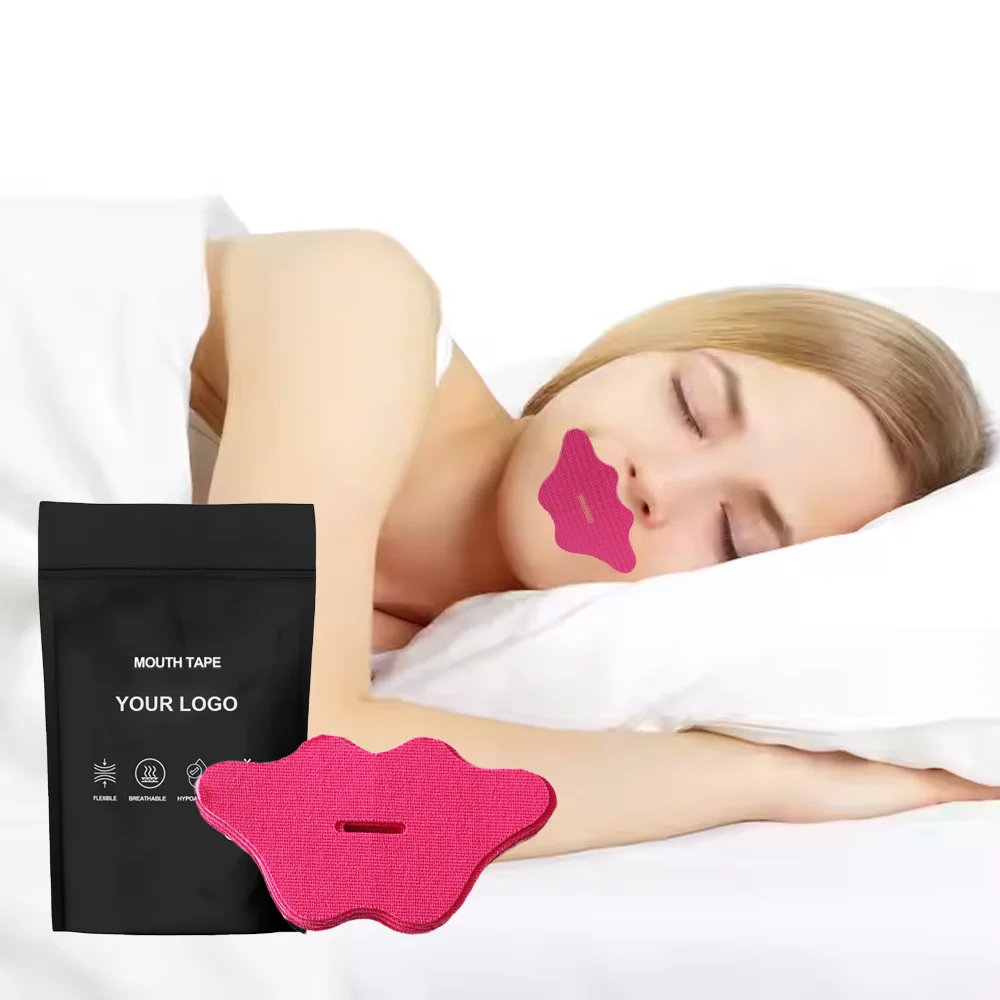
The selection of appropriate mouth tape for side sleepers requires careful consideration of factors that differ significantly from those important for back or stomach sleepers. Side sleeping creates lateral pressure against pillows, potential tape displacement from facial movement, and varying degrees of mouth opening throughout different sleep stages. These unique challenges demand specific tape characteristics that ensure both effectiveness and comfort during extended periods of lateral sleep positioning.
Essential Adhesive Properties for Side Sleep Positioning
Lateral Pressure Resistance and Tape Durability
Side sleepers face the primary challenge of lateral pressure against pillows and bedding throughout the night. The adhesive properties of mouth tape for side sleepers must be specifically designed to withstand this constant lateral force without losing adhesion or causing skin irritation. Medical-grade adhesives that maintain consistent bonding strength under pressure provide the foundation for reliable performance during side sleep positioning.
The tape's ability to maintain adhesion when subjected to horizontal pressure differentiates quality options from basic alternatives. Premium formulations incorporate pressure-resistant compounds that distribute lateral forces evenly across the adhesive surface, preventing edge lifting and maintaining seal integrity. This characteristic becomes particularly important during deep sleep phases when natural facial muscle relaxation increases the tendency for mouth opening.
Temperature stability represents another crucial adhesive property for side sleepers. Body heat concentration against pillows can affect adhesive performance, making temperature-resistant formulations essential for consistent overnight application. The best mouth tape for side sleepers maintains its adhesive properties across varying temperature conditions encountered during different sleep stages.
Gentle Removal and Skin Compatibility
Side sleeping positions often result in increased friction against pillow surfaces, making gentle removal properties essential for morning comfort. Adhesives that provide strong hold during sleep but allow easy removal without skin irritation or residue represent optimal formulations for regular use. The balance between holding power and gentle removal becomes particularly important for individuals with sensitive facial skin.
Hypoallergenic adhesive formulations specifically benefit side sleepers who may experience increased contact time with pillow materials that could exacerbate skin sensitivities. Medical-grade options that avoid common irritants while maintaining effectiveness provide the safest choice for nightly application. These formulations undergo dermatological testing to ensure compatibility with various skin types commonly encountered in side sleeping populations.
The adhesive's ability to maintain effectiveness after brief removal and reapplication can be valuable for side sleepers who need to adjust positioning during the night. Quality mouth tape for side sleepers retains sufficient adhesive properties to allow secure reattachment if repositioning becomes necessary during sleep transitions.
Size and Shape Considerations for Lateral Sleep Positioning
Optimal Dimensions for Side Sleep Comfort
The physical dimensions of mouth tape significantly impact its performance for side sleepers, with width and length requirements differing from those optimal for other sleep positions. Wider tape designs provide increased surface area for adhesion distribution, reducing pressure concentration points that could cause discomfort during prolonged contact with pillows. The optimal width typically ranges between 20-25mm to ensure adequate coverage while avoiding interference with nasal breathing passages.
Length considerations for mouth tape for side sleepers must account for potential mouth movement and varying lip positions throughout the night. Appropriate length ensures complete lip coverage while providing sufficient adhesive surface to maintain effectiveness despite lateral movement. Tape designs that extend slightly beyond natural lip boundaries offer enhanced security for side sleepers who may experience greater mouth position variation.
The relationship between tape size and facial anatomy varies significantly among individuals, making adjustable or multiple size options valuable for optimal fit. Side sleepers with fuller lips or broader mouth structures require proportionally larger tape dimensions to ensure effective coverage and comfortable application throughout extended sleep periods.
Contour Adaptation and Flexibility
Side sleeping positions place unique demands on tape flexibility and contour adaptation capabilities. The natural facial contours encountered during lateral positioning require tape materials that conform smoothly to varying surface angles without creating pressure points or gaps in coverage. Flexible materials that adapt to individual facial anatomy while maintaining consistent adhesion provide superior performance for side sleepers.
The ability of mouth tape for side sleepers to accommodate natural facial movement during sleep transitions becomes particularly important for individuals who shift between different side positions throughout the night. Materials that stretch and recover without losing adhesive effectiveness allow for natural sleep movement while maintaining mouth breathing prevention.
Contour-specific designs that account for the three-dimensional nature of facial anatomy provide enhanced comfort and effectiveness for side sleepers. These specialized shapes reduce the likelihood of edge lifting and improve overall adherence to individual facial contours commonly encountered during lateral sleep positioning.
Material Selection and Breathability Features
Fabric Composition and Skin Comfort
The material composition of mouth tape directly affects comfort levels for side sleepers who may experience extended contact periods with pillow surfaces. Natural fiber compositions, particularly bamboo and silk blends, offer superior breathability and moisture management compared to synthetic alternatives. These materials allow for air circulation while maintaining structural integrity throughout overnight application periods.
Moisture-wicking properties become particularly important for mouth tape for side sleepers who may experience increased humidity levels due to proximity to pillow materials and bedding. Materials that effectively manage moisture prevent the accumulation of dampness that could compromise adhesive performance or create uncomfortable conditions during extended wear periods.
Hypoallergenic material selections provide essential benefits for side sleepers with sensitive skin conditions or allergies to common textile materials. Natural fiber compositions typically offer reduced allergenic potential compared to synthetic alternatives, making them preferred choices for individuals requiring gentle skin contact solutions.
Permeability and Air Exchange
Air permeability characteristics of tape materials significantly impact comfort levels for side sleepers who may experience longer application periods. Microporous materials that allow controlled air exchange while preventing mouth opening provide optimal breathing comfort during lateral sleep positioning. This balance ensures adequate ventilation without compromising the primary function of mouth breathing prevention.
The breathability of mouth tape for side sleepers affects the microenvironment around the mouth area, influencing comfort and adherence throughout the sleep cycle. Materials with appropriate permeability levels prevent the buildup of moisture and heat that could lead to adhesive failure or skin irritation during extended use.
Advanced material technologies incorporate controlled porosity that maintains effectiveness while allowing minimal air exchange for enhanced comfort. These innovations specifically benefit side sleepers who may require extended wear times and consistent performance throughout varying sleep positions and environmental conditions.
Safety and Comfort Features for Extended Wear
Emergency Release and Safety Mechanisms
Safety considerations for side sleepers using mouth tape include emergency release capabilities and fail-safe mechanisms that ensure airway security throughout the night. Quality mouth tape for side sleepers incorporates design features that allow for rapid removal in emergency situations while maintaining normal operational effectiveness during regular use.
Perforated designs or controlled weak points enable quick removal when necessary without requiring complex manipulation that could prove difficult during drowsy or emergency conditions. These safety features provide peace of mind for side sleepers concerned about airway security while maintaining the tape's primary function of promoting nasal breathing.
The balance between secure adhesion and emergency removal capability represents a critical design consideration for side sleeper applications. Optimal products maintain strong enough adhesion to prevent accidental displacement while allowing intentional removal through simple pulling motions when required.
Comfort Enhancement Technologies
Advanced comfort technologies specifically benefit side sleepers who may experience varying pressure conditions throughout the night. Cushioned adhesive systems distribute pressure more evenly across the application area, reducing the likelihood of discomfort during prolonged contact with pillow surfaces. These technologies enhance user acceptance and long-term compliance with nasal breathing protocols.
Temperature-regulating materials help maintain comfortable skin conditions for side sleepers who may experience heat buildup due to pillow contact and body positioning. These advanced materials actively manage temperature and moisture levels, preventing the uncomfortable conditions that could lead to premature removal or sleep disruption.
Edge-sealing technologies prevent the infiltration of moisture or debris that could compromise adhesive performance or create comfort issues for mouth tape for side sleepers. These design features ensure consistent performance throughout the night regardless of pillow contact or environmental conditions encountered during sleep.
Application and Positioning Considerations
Pre-Sleep Preparation Protocols
Proper application protocols for side sleepers differ from those required for other sleep positions due to the unique challenges presented by lateral positioning. Skin preparation becomes particularly important for ensuring adequate adhesion when tape will be subjected to lateral pressure throughout the night. Clean, dry skin free from moisturizers or skincare products provides the optimal foundation for reliable adhesion.
The timing of application relative to sleep positioning affects the initial adhesive bond formation for mouth tape for side sleepers. Applying tape while in an upright position allows for proper placement before transitioning to lateral sleep positions, ensuring optimal coverage and adhesion establishment before encountering pillow pressure.
Temperature considerations during application can affect initial adhesive performance, with room temperature tape often providing better initial bonding compared to tape stored in cooler conditions. Allowing tape to reach comfortable skin temperature before application optimizes adhesive activation and initial bond formation.
Positioning Optimization for Lateral Sleep
The placement strategy for mouth tape on side sleepers must account for the natural lip position changes that occur during lateral positioning. Slight adjustments in tape placement can significantly impact effectiveness and comfort throughout the night, with optimal positioning ensuring coverage regardless of subtle facial position changes during sleep.
Pillow height and firmness considerations affect the facial positioning of side sleepers and consequently influence optimal tape placement strategies. Higher or firmer pillows may require adjusted tape positioning to maintain effectiveness despite altered facial angles encountered during lateral sleep positioning.
The sequential process of tape application followed by pillow positioning allows for final adjustments to ensure optimal comfort and effectiveness for mouth tape for side sleepers. This approach prevents the displacement or adjustment issues that could occur if positioning changes occur after tape application.
FAQ
Can mouth tape stay secure throughout the night for side sleepers who move frequently?
High-quality mouth tape designed specifically for side sleepers incorporates pressure-resistant adhesives and flexible materials that maintain effectiveness despite movement and pillow contact. Premium options with medical-grade adhesives typically remain secure throughout the night even with frequent position changes, provided proper application techniques are followed and skin preparation is adequate.
What should I do if the mouth tape causes skin irritation during side sleeping?
Skin irritation during side sleeping often results from prolonged pressure against pillows or adhesive sensitivity. Switch to hypoallergenic, natural fiber options like bamboo or silk-based tapes, ensure proper skin preparation, and consider using a gentler pillow material. If irritation persists, discontinue use and consult with a healthcare professional about alternative nasal breathing support options.
How does pillow type affect mouth tape performance for side sleepers?
Pillow firmness, height, and material composition significantly impact mouth tape performance for side sleepers. Softer pillows create less lateral pressure, potentially improving tape comfort, while firmer pillows may require tapes with enhanced pressure resistance. Memory foam and contoured pillows that support natural head positioning often provide optimal conditions for mouth tape effectiveness during side sleeping.
Is it safe to use mouth tape every night as a side sleeper?
Nightly use of properly selected mouth tape is generally safe for healthy side sleepers when using medical-grade, hypoallergenic products designed for extended wear. However, individuals with nasal congestion, sleep apnea, or other respiratory conditions should consult healthcare providers before establishing regular use. Quality tapes with gentle removal properties minimize skin irritation risks associated with daily application.
