
 EN
EN
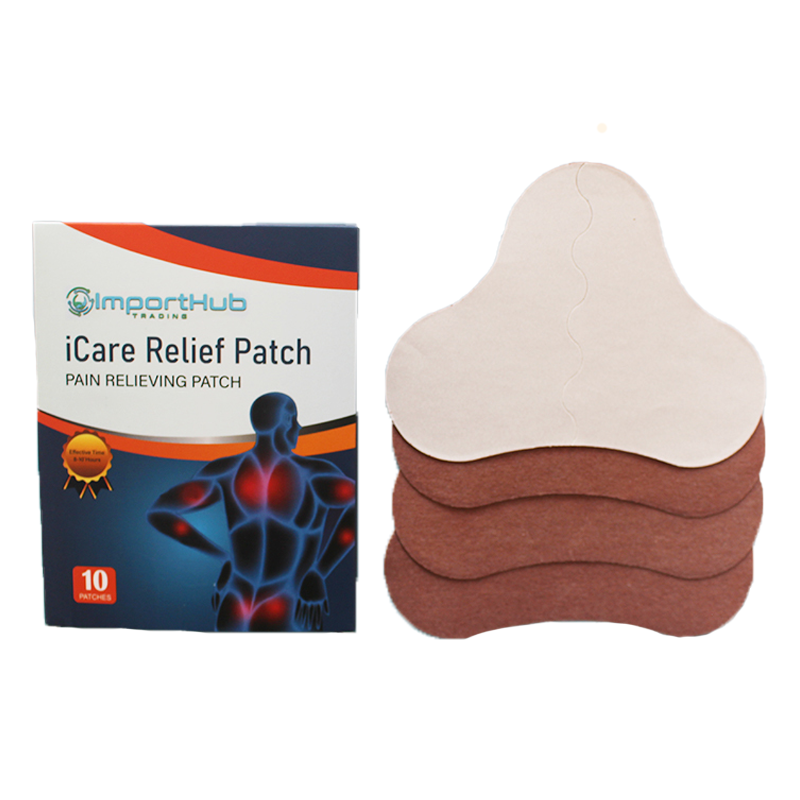
Modern healthcare has evolved to provide innovative solutions for managing discomfort and chronic pain conditions. Among these advancements, pain relief patches have emerged as a highly effective method for delivering targeted therapeutic benefits directly to affected areas. These transdermal systems offer a convenient and efficient alternative to oral medications, providing sustained relief while minimizing systemic side effects.
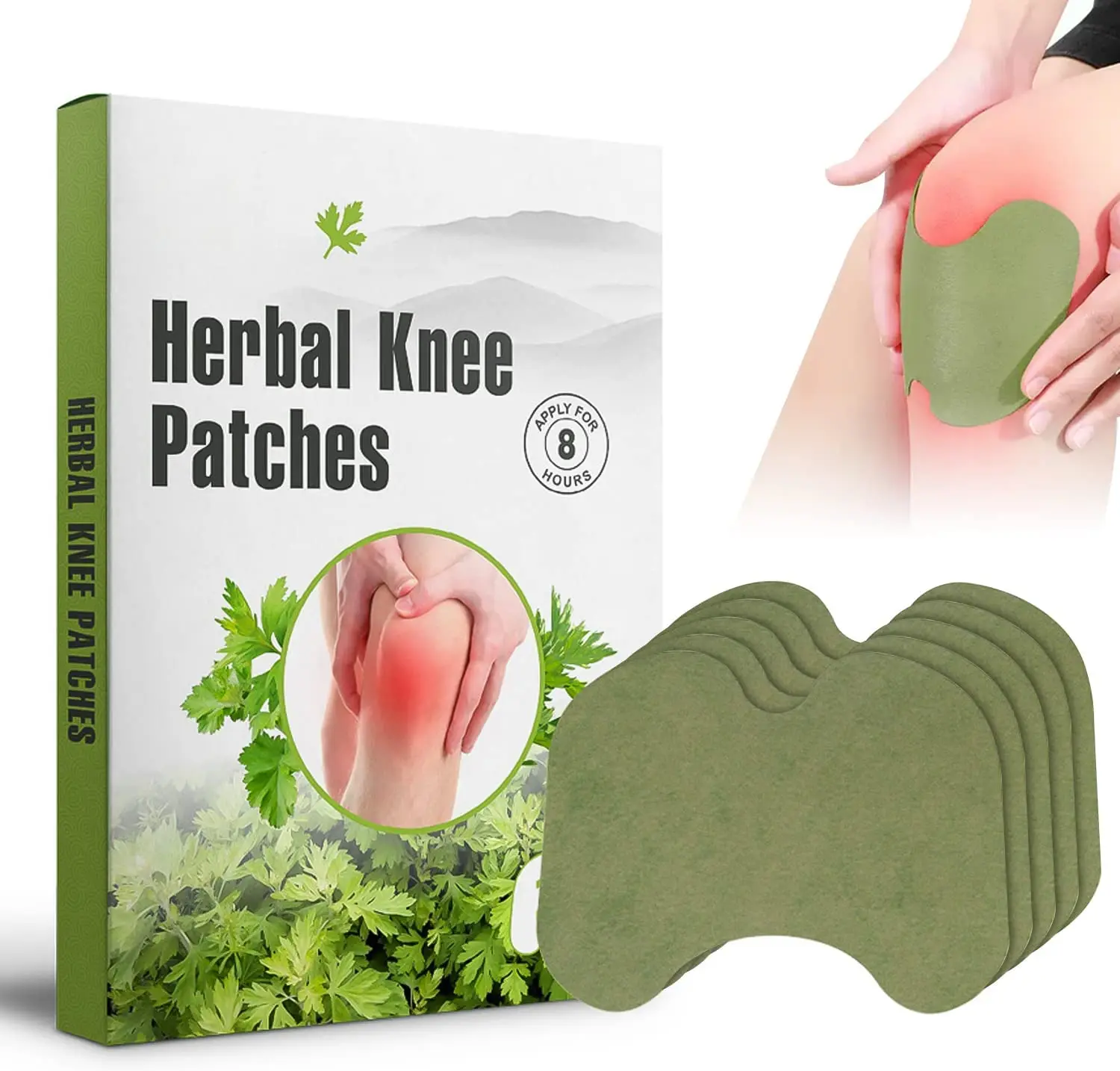
The science behind transdermal pain management represents a significant breakthrough in pharmaceutical delivery systems. Unlike traditional oral medications that must pass through the digestive system and liver metabolism, topical patches deliver active ingredients directly through the skin to the underlying tissues. This targeted approach ensures that therapeutic compounds reach the source of discomfort with greater precision and effectiveness.
Understanding Transdermal Drug Delivery Mechanisms
Skin Barrier Function and Permeation
The human skin serves as a sophisticated barrier system designed to protect internal organs from external threats. However, this protective mechanism also presents challenges for therapeutic compound penetration. Advanced patch technologies utilize various enhancement techniques to overcome these natural barriers and facilitate effective drug delivery.
Modern formulations incorporate penetration enhancers that temporarily modify the skin's permeability without causing permanent damage. These chemical enhancers work by disrupting the lipid bilayers within the stratum corneum, creating temporary pathways for active ingredients to penetrate deeper tissue layers.
Controlled Release Technology
Contemporary pain relief patches employ sophisticated polymer matrices that regulate the release rate of therapeutic compounds over extended periods. These systems ensure consistent drug delivery, maintaining optimal therapeutic concentrations for hours or even days depending on the specific formulation design.
The controlled release mechanism prevents the initial spike in drug concentration that often occurs with oral medications, thereby reducing the risk of adverse reactions while maintaining sustained therapeutic efficacy. This steady-state delivery profile is particularly beneficial for managing chronic pain conditions that require consistent medication levels.
Active Ingredients and Therapeutic Compounds
Nonsteroidal Anti-Inflammatory Drugs
Many commercial patches incorporate NSAIDs such as diclofenac, ketoprofen, or ibuprofen as primary active ingredients. These compounds work by inhibiting cyclooxygenase enzymes responsible for prostaglandin synthesis, thereby reducing inflammation and associated pain responses at the application site.
Topical NSAID delivery offers significant advantages over oral administration, including reduced gastrointestinal irritation and lower systemic exposure. Clinical studies demonstrate that transdermal NSAID patches achieve therapeutic tissue concentrations while maintaining minimal plasma levels compared to oral equivalents.
Natural and Herbal Compounds
Traditional medicine has contributed numerous natural compounds that demonstrate analgesic and anti-inflammatory properties. Modern pain relief patches often incorporate extracts from plants such as capsicum, menthol, camphor, and various Asian medicinal herbs.
These natural ingredients work through multiple mechanisms, including counterirritant effects, vasodilation, and direct modulation of pain receptors. The combination of traditional herbal knowledge with modern delivery technology creates synergistic therapeutic effects that address both immediate discomfort and underlying inflammatory processes.
Clinical Applications and Effectiveness
Musculoskeletal Pain Management
Transdermal patches demonstrate particular efficacy in treating localized musculoskeletal conditions such as arthritis, muscle strains, and joint inflammation. The direct application to affected areas allows for high local concentrations of therapeutic agents while minimizing systemic distribution.
Clinical trials consistently show significant pain reduction and improved mobility in patients using topical patches for knee osteoarthritis, lower back pain, and sports-related injuries. The convenience factor also contributes to improved patient compliance compared to multiple daily oral dosing regimens.
Chronic Pain Conditions
Long-term pain management presents unique challenges that patches address through sustained delivery profiles and reduced side effect profiles. Patients with fibromyalgia, neuropathic pain, and chronic inflammatory conditions often benefit from the consistent therapeutic coverage provided by extended-release patch formulations.
The psychological benefits of topical application should not be overlooked, as patients often report greater satisfaction and perceived control over their pain management when using targeted delivery systems rather than systemic medications.
Advantages Over Traditional Pain Management Methods
Reduced Systemic Side Effects
One of the most significant advantages of transdermal patches lies in their ability to minimize systemic drug exposure while maintaining therapeutic efficacy. This characteristic is particularly important for elderly patients or those with comorbid conditions who may be sensitive to oral medication side effects.
Gastrointestinal complications, cardiovascular risks, and drug interactions are substantially reduced when medications are delivered directly to target tissues rather than through systemic circulation. This safety profile makes patches an attractive option for long-term pain management strategies.
Improved Patient Compliance
The convenience of patch application significantly improves patient adherence to prescribed treatment regimens. Unlike oral medications that require multiple daily doses, most patches provide therapeutic coverage for 8-24 hours with a single application.
This simplified dosing schedule reduces the likelihood of missed doses and helps maintain consistent therapeutic levels throughout the treatment period. Additionally, the discreet nature of patch application allows patients to maintain their normal activities without interruption.
Application Techniques and Best Practices
Proper Skin Preparation
Optimal patch performance requires appropriate skin preparation to ensure adequate adhesion and drug penetration. The application site should be clean, dry, and free from oils, lotions, or other topical products that might interfere with patch adhesion or drug absorption.
Hair removal may be necessary in some cases to ensure proper contact between the patch and skin surface. However, shaving should be performed well in advance of application to avoid skin irritation that could affect drug absorption or cause discomfort.
Rotation and Monitoring
Long-term patch users should rotate application sites to prevent skin sensitization and maintain optimal absorption characteristics. Different body areas may exhibit varying absorption rates, so consistent site selection within the recommended anatomical regions helps maintain predictable therapeutic outcomes.
Regular monitoring for skin reactions, including redness, itching, or irritation, is essential for safe long-term use. Any persistent adverse skin reactions should prompt consultation with healthcare providers to assess alternative treatment options or application modifications.
Future Developments and Innovations
Smart Patch Technology
Emerging technologies are incorporating electronic components into patch designs to create smart delivery systems capable of real-time monitoring and dose adjustment. These advanced systems can respond to physiological parameters such as skin temperature, pH, or biomarker levels to optimize drug delivery.
Integration with smartphone applications allows patients and healthcare providers to track treatment progress, monitor compliance, and adjust therapy parameters remotely. These innovations represent the next evolution in personalized pain management approaches.
Nanotechnology Applications
Nanotechnology offers promising opportunities to enhance drug penetration and targeting specificity in transdermal systems. Nanoparticle carriers can improve the solubility of hydrophobic drugs and provide controlled release profiles that were previously impossible with conventional formulations.
These advanced delivery systems may also incorporate targeting ligands that direct therapeutic compounds specifically to inflamed tissues, further improving efficacy while reducing off-target effects.
FAQ
How long do pain relief patches typically provide therapeutic effects
Most pain relief patches are designed to provide sustained therapeutic benefits for 8 to 12 hours, though some extended-release formulations can maintain effectiveness for up to 24 hours. The duration depends on the specific active ingredients, patch technology, and individual patient factors such as skin permeability and metabolism rate. It's important to follow manufacturer instructions regarding application frequency and not exceed recommended usage duration.
Can pain relief patches be used safely with other medications
While transdermal patches generally have fewer drug interactions compared to oral medications due to lower systemic absorption, it's essential to consult healthcare providers before combining patches with other treatments. Some active ingredients in patches may interact with blood thinners, other NSAIDs, or medications that affect skin sensitivity. Always disclose all current medications and health conditions to ensure safe concurrent use.
What should I do if I experience skin irritation from a pain relief patch
If you develop redness, itching, burning, or rash at the application site, remove the patch immediately and cleanse the area with mild soap and water. Apply a cold compress if needed to reduce irritation. Most mild reactions resolve within a few hours to days after patch removal. If symptoms persist, worsen, or if you develop signs of allergic reaction such as widespread rash or difficulty breathing, seek medical attention promptly.
Are pain relief patches effective for all types of pain conditions
Pain relief patches are most effective for localized musculoskeletal pain conditions such as arthritis, muscle strains, and joint inflammation. They work best when the source of pain is relatively superficial and accessible to topical treatment. Deep internal pain, nerve pain, or systemic conditions may require alternative treatment approaches. The effectiveness also varies based on individual factors including skin thickness, circulation, and the specific cause of pain.
