 EN
EN

Nasal congestion remains one of the most frustrating symptoms people experience during seasonal allergies, colds, and sinus issues. Many individuals search for quick, effective solutions without relying solely on oral medications or invasive treatments. A nasal inhaler offers a practical, portable approach to congestion relief that can be used anytime, anywhere. This guide explores how a nasal inhaler works, its effectiveness, and whether it may be the right choice for your congestion needs.
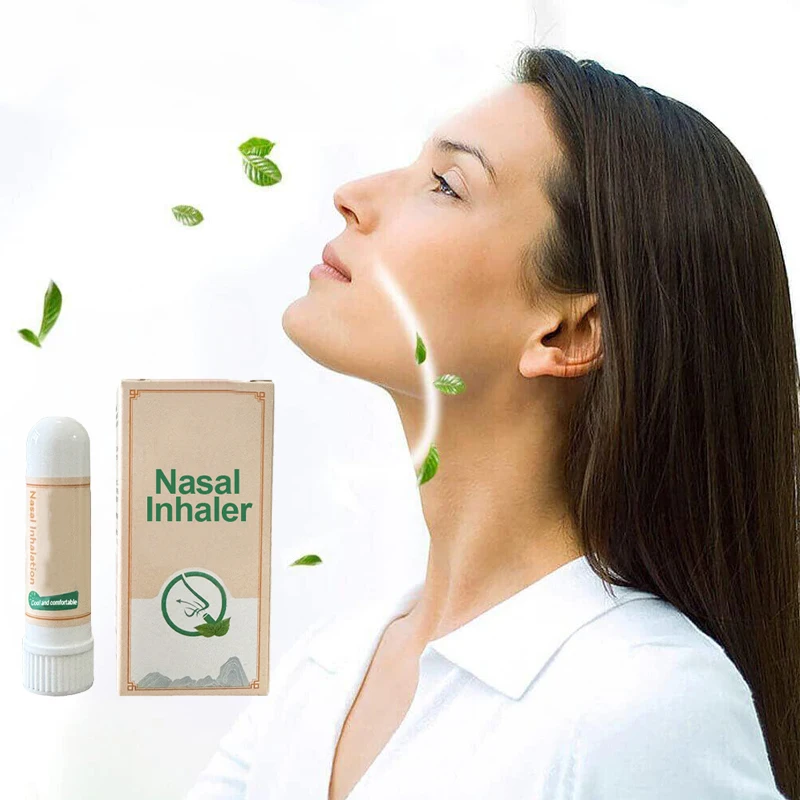
Understanding the role of a portable nasal inhaler in congestion management helps you make informed decisions about your respiratory wellness. Unlike medications that affect your entire system, nasal inhalation therapy targets congestion directly at the source. The combination of cooling sensations, aromatic relief, and direct nasal application makes this approach appealing for people seeking immediate, non-invasive solutions during busy days or travel.
How Nasal Inhalation Therapy Works
The Mechanism Behind Nasal Inhaler Relief
A portable nasal inhaler operates through direct aromatic and menthol delivery to nasal passages. When you inhale from a personal nasal inhaler device, concentrated cooling and aromatic compounds stimulate your olfactory receptors and respiratory tissues. This sensory input can create an immediate sensation of improved airflow, even when physical congestion remains present. The psychological and physiological effects work together to provide perceived congestion relief.
Nasal inhalation therapy leverages aromatic compounds like menthol, eucalyptus, and peppermint that naturally support respiratory comfort. These ingredients have been used for centuries in traditional wellness practices. Modern nasal inhaler designs concentrate these benefits into compact, portable formats that fit easily in your pocket, purse, or desk drawer. The rapid onset of relief makes nasal inhalation therapy particularly useful during work, travel, or social situations where other remedies may be impractical.
Active Ingredients and Their Effects
The effectiveness of any personal nasal inhaler device depends heavily on its active formulation. Menthol acts as a cooling agent that stimulates trigeminal nerve receptors, creating a sensation of increased nasal airflow. Eucalyptus oil supports respiratory function through its natural aromatic properties. These ingredients work without systemic absorption, meaning the effects remain localized to your nasal and respiratory areas. A high-quality portable nasal inhaler typically combines multiple aromatic compounds to enhance the overall congestion relief experience.
Congestion Relief Applications and Scenarios
When to Use a Nasal Inhaler
Timing and situation determine how effectively a nasal inhaler can provide congestion relief for your specific needs. Seasonal allergies trigger nasal passages to swell and produce excess mucus, creating the perfect scenario for using a portable nasal inhaler during peak pollen seasons. Cold symptoms often include congestion that peaks during the first few days of illness, when a personal nasal inhaler device offers quick relief without waiting for medication to take effect. Sinus pressure and tension headaches frequently improve with the cooling sensation delivered by nasal inhalation therapy.
Travel scenarios highlight the advantage of a portable nasal inhaler over other congestion relief methods. Airplane cabins with low humidity and recirculated air intensify congestion for many travelers. A personal nasal inhaler device fits easily in a carry-on bag and delivers immediate relief without the need for water or special equipment. Office workers dealing with dry indoor air benefit from keeping a nasal inhaler at their desk for quick refreshment during the workday. Athletes and fitness enthusiasts use portable nasal inhalers before and after workouts to maintain clear, comfortable breathing.
Complementary Use with Other Approaches
A nasal inhaler works most effectively as part of a comprehensive wellness routine rather than as your sole congestion relief method. Staying hydrated supports your body's natural ability to manage nasal secretions and reduce thick, stubborn congestion. Using a humidifier in your bedroom creates an environment that complements the effects of a portable nasal inhaler by adding moisture to dry air. Saline rinses remove irritants and excess mucus, then using your personal nasal inhaler device immediately afterward can enhance the perceived relief and comfort.
Rest and elevated head positioning allow gravity to help drainage and reduce nighttime congestion, often making nasal inhalation therapy less necessary before bed. Steam from hot showers temporarily opens nasal passages, creating ideal conditions to use your portable nasal inhaler for maximum benefit. Avoiding irritants like smoke and strong chemicals prevents additional congestion triggers from interfering with your relief efforts. When combined thoughtfully, these approaches create a multi-layered strategy that addresses congestion from several angles simultaneously.
Effectiveness and Realistic Expectations
What a Nasal Inhaler Can and Cannot Do
Understanding the realistic scope of a nasal inhaler's capabilities helps you avoid disappointment and use it appropriately. A portable nasal inhaler provides immediate, temporary relief from the sensation of congestion rather than permanently eliminating the underlying cause. If your congestion stems from a sinus infection requiring antibiotics or a severe allergic reaction needing prescription medication, a personal nasal inhaler device alone will not resolve the medical issue. However, nasal inhalation therapy excels at providing comfort during the periods when you need quick, portable relief most urgently.
The cooling and aromatic sensations from a nasal inhaler typically last 15 to 30 minutes, requiring reapplication if congestion persists throughout the day. Individual responses vary significantly based on sensitivity to aromatic compounds and the severity of underlying congestion. Someone with mild seasonal allergies may experience dramatic relief from a portable nasal inhaler, while severe chronic sinusitis may require additional medical intervention. A personal nasal inhaler device works best as a symptom management tool rather than a cure for serious respiratory conditions.
Safety and Proper Usage Guidelines
Most nasal inhalers are designed for safe, frequent use without the risks associated with habit-forming decongestants. Unlike nasal sprays containing oxymetazoline or similar ingredients, a quality portable nasal inhaler does not cause rebound congestion with extended use. Simply inhale gently through your nose from the device, allowing the aromatic vapors to enter your nasal passages naturally. A personal nasal inhaler device requires no special equipment, preparation, or medical supervision for safe operation.
Individuals with certain conditions should exercise caution before using nasal inhalation therapy. People with asthma or bronchial sensitivity may find strong aromatic compounds irritating to their airways. Pregnant individuals should consult healthcare providers before using aromatic products. Those with a history of adverse reactions to menthol or eucalyptus should test a portable nasal inhaler on a small scale first. Starting with brief, gentle inhalation allows you to assess how your personal nasal inhaler device affects your individual system before regular use.
FAQ
How long does a nasal inhaler provide congestion relief?
Most nasal inhalation therapy effects last between 15 and 30 minutes, depending on congestion severity and individual sensitivity. A portable nasal inhaler can be reapplied as needed throughout the day. Some users experience longer-lasting perceived relief by using their personal nasal inhaler device multiple times during the day in a consistent routine.
Can a portable nasal inhaler replace decongestant medications?
A portable nasal inhaler works well as a non-medication alternative for mild congestion and symptom management, but it should not replace prescribed medications without consulting your healthcare provider. Nasal inhalation therapy works best for occasional congestion during allergies and colds rather than chronic sinus issues. If you rely on decongestants regularly, discuss with your doctor whether a personal nasal inhaler device could be incorporated as a complementary approach.
Are there any side effects from using a nasal inhaler regularly?
Quality nasal inhalation therapy products designed as portable nasal inhalers typically cause no significant side effects with regular use. Some individuals may experience mild irritation if they have sensitive nasal tissues or respiratory conditions. Unlike medicated nasal sprays, a personal nasal inhaler device does not cause rebound congestion or dependency. If you notice unusual symptoms after using your nasal inhaler, discontinue use and consult a healthcare professional.
