 EN
EN
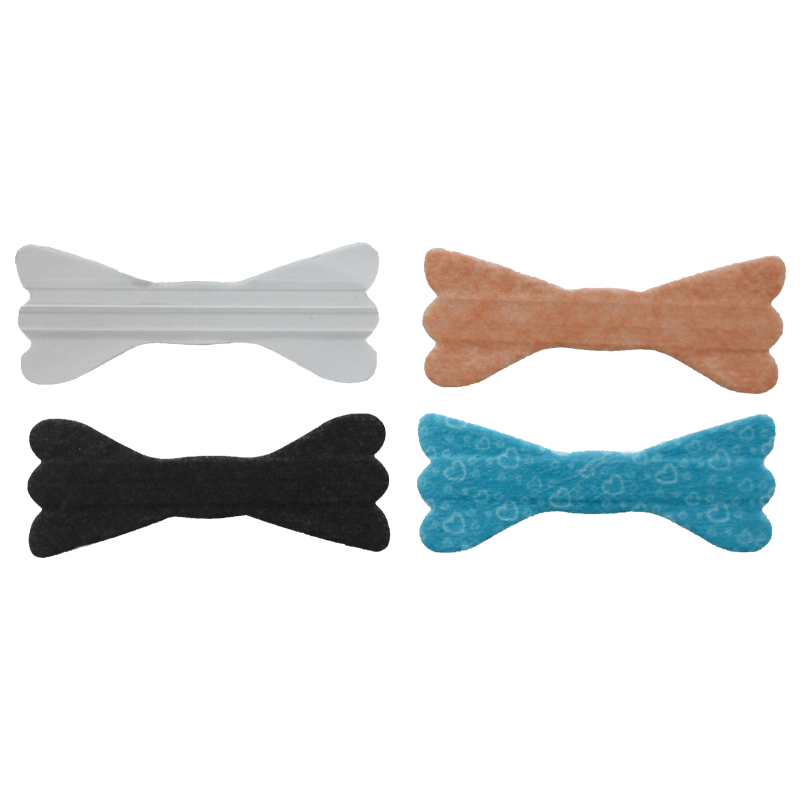
Modern sleep science has uncovered fascinating insights about how our breathing patterns during rest directly impact our overall health, energy levels, and cognitive function. Among the various tools emerging to optimize nighttime breathing, breath tape has gained significant attention from sleep specialists, athletes, and health-conscious individuals seeking to improve their respiratory habits. This simple yet effective solution works by encouraging nasal breathing throughout the night, potentially transforming how your body recovers and regenerates during sleep.
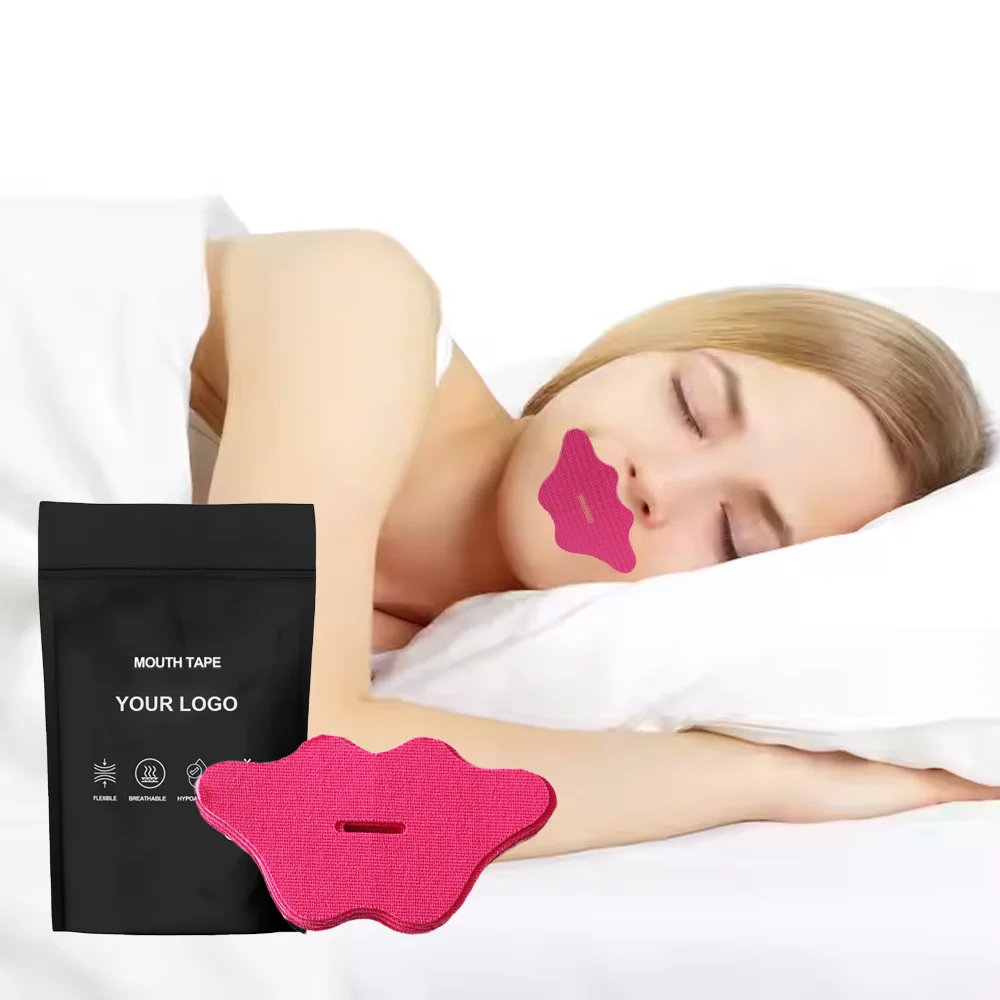
The concept behind breath tape is rooted in fundamental respiratory physiology and the proven benefits of nasal breathing over mouth breathing. When we breathe through our nose, the air gets filtered, humidified, and warmed before reaching our lungs, creating optimal conditions for oxygen exchange. Additionally, nasal breathing naturally produces nitric oxide, a compound that enhances blood flow and oxygen delivery throughout the body. By gently encouraging mouth closure during sleep, breath tape helps establish healthier breathing patterns that can persist even after the tape is removed.
Understanding the Science Behind Nasal Breathing
Physiological Benefits of Nose Breathing
The human nose serves as a sophisticated air conditioning system that prepares incoming air for optimal lung function. When using breath tape to maintain nasal breathing, the nasal passages filter out particles, allergens, and pollutants while adding moisture to prevent respiratory tract irritation. This natural filtration system becomes particularly important during sleep when our bodies are working to repair and regenerate tissues.
Research demonstrates that nasal breathing activates the parasympathetic nervous system, promoting deeper, more restorative sleep cycles. The increased nitric oxide production associated with nasal breathing also supports cardiovascular health by improving blood vessel dilation and reducing blood pressure. These physiological advantages explain why breath tape has become increasingly popular among individuals seeking to optimize their sleep quality and overall health outcomes.
The Role of Nitric Oxide in Sleep Quality
Nitric oxide production in the nasal sinuses represents one of the most compelling reasons to maintain nasal breathing throughout the night. This naturally occurring gas enhances oxygen transport, supports immune function, and helps regulate blood pressure. When breath tape encourages consistent nasal breathing, it maximizes nitric oxide availability, potentially improving sleep architecture and morning energy levels.
Studies have shown that individuals who maintain nasal breathing during sleep experience more stable oxygen saturation levels and reduced instances of sleep disruption. The gentle pressure from breath tape serves as a subtle reminder for the body to maintain proper breathing mechanics, gradually training the respiratory system to default to nasal breathing even without external assistance.
Training Effects and Breathing Pattern Improvement
Developing Better Respiratory Habits
The training aspect of breath tape extends beyond simply keeping the mouth closed during sleep. Regular use can help retrain the neural pathways that control breathing patterns, gradually shifting the default breathing mechanism from mouth to nose. This neuroplasticity allows the respiratory system to adapt and maintain improved breathing habits over time, even when the tape is not being used.
Many users report that consistent breath tape application leads to noticeable improvements in daytime breathing patterns as well. The strengthening of nasal breathing muscles and the increased awareness of proper respiratory mechanics often translate into better breathing habits during waking hours, contributing to improved focus, reduced stress, and enhanced physical performance.
Long-term Adaptations and Benefits
The progressive nature of respiratory training with breath tape allows for gradual adaptation without causing discomfort or anxiety. As the body becomes accustomed to nasal breathing during sleep, users often experience improvements in sleep quality, reduced snoring, and decreased morning dryness or irritation. These benefits typically become more pronounced with consistent use over several weeks or months.
Advanced users of breath tape frequently report enhanced recovery from physical activity, improved mental clarity, and better stress management capabilities. The cumulative effects of optimized breathing patterns during sleep appear to support overall health and wellness in ways that extend far beyond the bedroom, making breath tape an valuable tool for comprehensive health optimization.
Practical Application and Implementation Strategies
Choosing the Right Type of Breath Tape
Selecting appropriate breath tape involves considering factors such as skin sensitivity, adhesive strength, and material composition. High-quality options typically feature gentle, medical-grade adhesives that provide secure hold without causing skin irritation. The tape should be wide enough to cover the lips comfortably while allowing for natural mouth movements during sleep.
Natural materials like bamboo silk offer excellent breathability and comfort for sensitive skin types. These premium materials reduce the likelihood of allergic reactions while maintaining the effectiveness needed for consistent nasal breathing promotion. The investment in quality breath tape often pays dividends in terms of comfort and consistent results over extended periods of use.
Proper Application Techniques
Effective breath tape application requires attention to timing, positioning, and skin preparation. The tape should be applied to clean, dry skin approximately 30 minutes before bedtime, allowing time for the adhesive to properly set. Positioning the tape horizontally across the center of the lips ensures optimal coverage while maintaining comfort throughout the night.
Beginning users should start with shorter application periods to allow gradual adaptation to nasal breathing during sleep. This progressive approach helps build confidence and comfort with the technique while minimizing any initial anxiety about mouth coverage. Most individuals find that their bodies adapt quickly to breath tape use, making it a seamless addition to their nighttime routine within a few days of consistent application.
Addressing Common Concerns and Misconceptions
Safety Considerations and Best Practices
Safety remains a primary concern for many individuals considering breath tape use, particularly regarding emergency situations or nasal congestion. Quality breath tape is designed with safety features that allow for easy removal if needed, and the gentle adhesive strength ensures that the tape can be quickly displaced if necessary. Understanding these safety aspects helps build confidence in the product while maintaining appropriate caution.
Individuals with chronic nasal congestion, sleep apnea, or other respiratory conditions should consult healthcare providers before beginning breath tape use. While many people with mild breathing challenges find breath tape beneficial, professional medical guidance ensures that the approach aligns with individual health needs and circumstances.
Effectiveness Across Different User Groups
The effectiveness of breath tape varies among different user populations, with factors such as age, fitness level, and existing breathing patterns influencing outcomes. Athletes often experience particularly noticeable benefits due to their heightened awareness of respiratory efficiency and recovery optimization. Similarly, individuals with demanding professional or academic schedules frequently report improved daytime performance following consistent breath tape use.
Research suggests that breath tape benefits are not limited to any specific demographic, with users ranging from young adults to seniors reporting positive outcomes. The universal nature of respiratory physiology means that the fundamental benefits of optimized breathing patterns apply broadly across different populations and lifestyle contexts.
Integration with Broader Sleep Optimization Strategies
Complementary Sleep Hygiene Practices
Maximizing the benefits of breath tape often involves integrating its use with comprehensive sleep hygiene practices. Maintaining consistent sleep schedules, optimizing bedroom environment conditions, and managing stress levels all contribute to the overall effectiveness of respiratory training during sleep. This holistic approach amplifies the positive effects of improved breathing patterns.
Temperature regulation, humidity control, and minimizing environmental disruptions create optimal conditions for breath tape effectiveness. When the sleep environment supports natural physiological processes, the training effects of consistent nasal breathing become more pronounced and sustainable over time.
Monitoring Progress and Adjusting Techniques
Tracking improvements in sleep quality, morning energy levels, and daytime breathing patterns helps users optimize their breath tape approach. Many individuals maintain sleep journals or use wearable devices to monitor objective metrics such as sleep duration, heart rate variability, and recovery markers. This data-driven approach allows for continuous refinement of techniques and timing.
Regular assessment of breath tape effectiveness enables users to make informed adjustments to their approach, whether that involves trying different tape materials, adjusting application timing, or incorporating additional breathing exercises into their daily routine. This iterative process ensures that the benefits of breath tape continue to improve over time.
FAQ
How long does it typically take to see improvements from using breath tape?
Most users begin noticing improvements in sleep quality and morning energy within the first week of consistent breath tape use. However, significant changes in breathing patterns and long-term benefits typically develop over 2-4 weeks of regular application. Individual results may vary based on existing breathing habits and overall health status.
Can breath tape be used safely every night?
Yes, quality breath tape is designed for nightly use and can be safely incorporated into regular sleep routines. The gentle adhesive and breathable materials used in premium products minimize skin irritation while providing consistent benefits. Users should ensure proper skin care and occasional breaks if any irritation occurs.
Is breath tape effective for people who naturally breathe through their nose?
Even individuals who primarily breathe through their nose during waking hours may unconsciously switch to mouth breathing during sleep. Breath tape provides insurance against this unconscious shift while potentially optimizing nasal breathing efficiency throughout the night. Many natural nose breathers report improved sleep quality and reduced morning dryness with breath tape use.
What should I do if I experience nasal congestion while using breath tape?
If nasal congestion occurs while using breath tape, it's important to remove the tape immediately and address the congestion before reapplying. Users can try nasal decongestants, saline rinses, or breathing strips to clear nasal passages before using breath tape. Persistent congestion may require consultation with a healthcare provider to address underlying causes.
