
 EN
EN
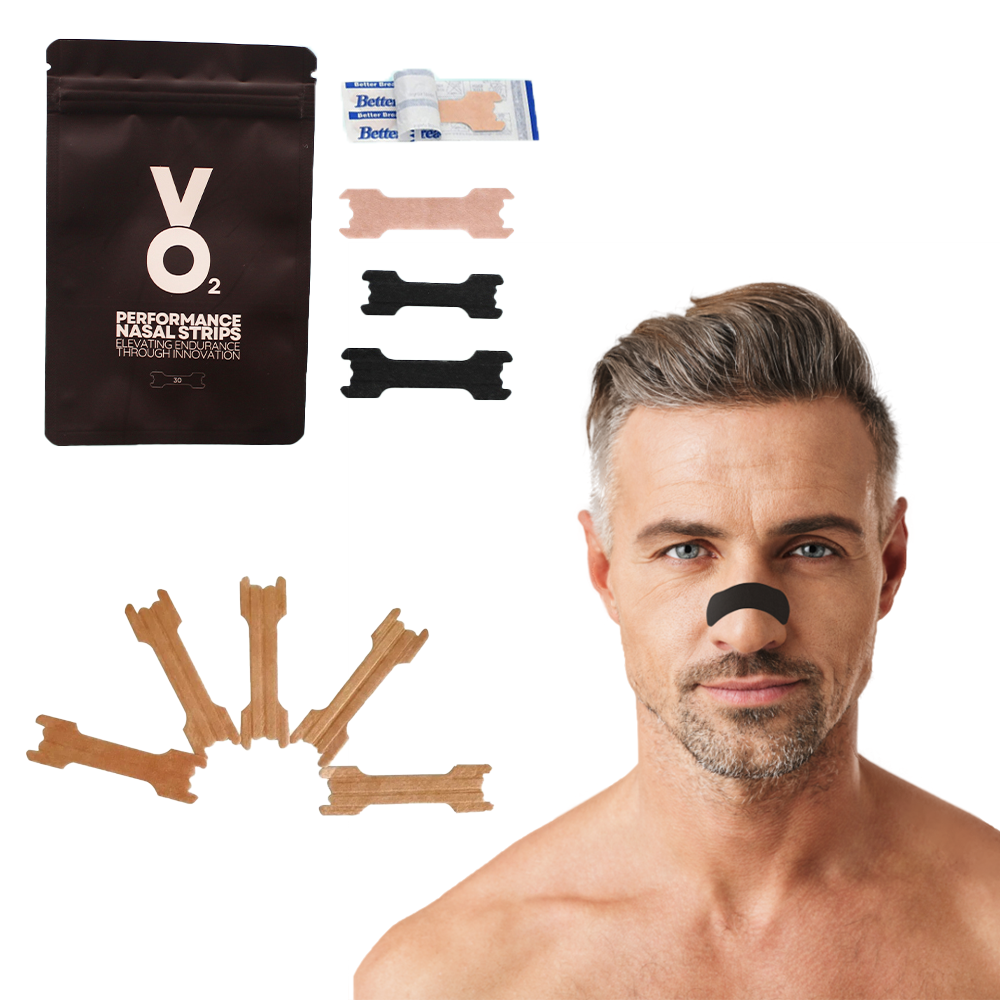
Sleep quality has become a critical concern for millions of people worldwide, with many searching for effective solutions to improve their nightly rest. Among the emerging sleep optimization techniques, mouth tape has gained significant attention as a simple yet powerful tool for promoting nasal breathing during sleep. This innovative approach addresses one of the most overlooked factors affecting sleep quality: the way we breathe while unconscious. When we breathe through our mouth during sleep, it can lead to various complications including dry mouth, snoring, and disrupted sleep patterns that leave us feeling fatigued the next day.
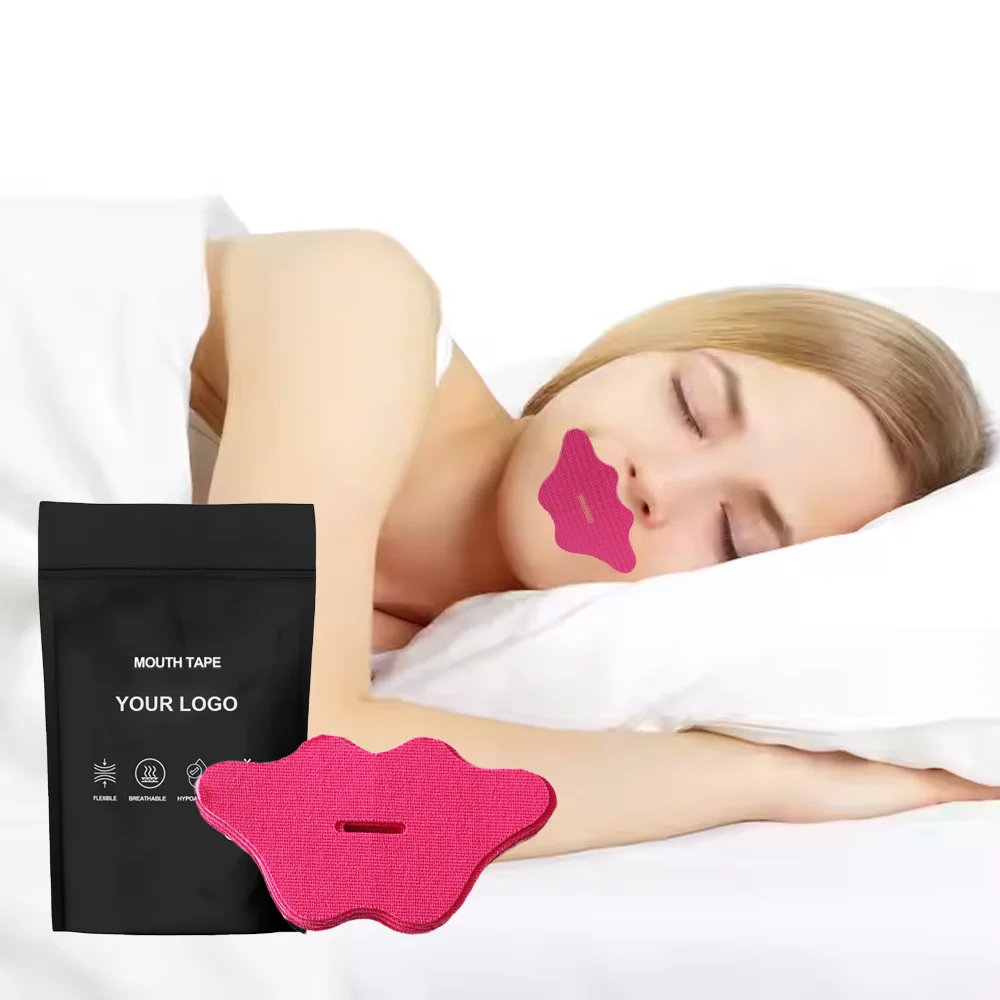
The concept behind mouth tape is elegantly simple: by gently sealing the lips during sleep, it encourages the body to maintain nasal breathing throughout the night. This natural breathing pattern has been practiced by our ancestors for thousands of years and offers numerous physiological benefits that modern science is only beginning to fully understand. Research indicates that nasal breathing filters, warms, and humidifies the air we breathe, while also producing nitric oxide, a molecule that plays a crucial role in cardiovascular health and oxygen delivery to our cells.
Understanding the Science Behind Nasal Breathing
Physiological Benefits of Nasal Breathing
Nasal breathing activates the parasympathetic nervous system, which is responsible for the body's rest and digest functions. When we breathe through our nose, the air travels a longer pathway, allowing for better filtration and conditioning before reaching our lungs. The nasal passages contain tiny hairs called cilia that trap dust, allergens, and other particles, preventing them from entering our respiratory system. Additionally, the mucous membranes in our nose add moisture to the incoming air, which helps prevent the drying of our airways and throat.
The production of nitric oxide in the nasal passages serves multiple functions beyond simple air conditioning. This important molecule helps dilate blood vessels, improving circulation and oxygen delivery throughout the body. Studies have shown that nitric oxide also has antimicrobial properties, helping to protect against respiratory infections. When we use mouth tape to maintain nasal breathing during sleep, we ensure continuous production of this beneficial compound throughout the night.
Impact on Sleep Architecture
Sleep architecture refers to the cyclical pattern of sleep stages that occur throughout the night, including light sleep, deep sleep, and REM sleep. Mouth breathing can disrupt this delicate balance by causing frequent micro-awakenings that we may not even remember. These brief interruptions prevent us from spending adequate time in the deeper, more restorative sleep stages that are essential for physical recovery and mental consolidation.
Research conducted in sleep laboratories has demonstrated that individuals who maintain nasal breathing during sleep experience longer periods of deep sleep and more consistent sleep cycles. The improved oxygenation that results from nasal breathing helps maintain stable blood oxygen levels throughout the night, reducing the likelihood of sleep fragmentation. This enhanced sleep quality translates to better cognitive function, improved mood regulation, and enhanced physical recovery the following day.
How Mouth Tape Works to Enhance Sleep Quality
Mechanism of Action
The application of mouth tape works through a simple yet effective mechanism that gently encourages the maintenance of nasal breathing during sleep. When applied correctly, mouth tape creates a light seal over the lips that is comfortable enough to wear throughout the night but effective enough to prevent mouth breathing. The tape serves as a physical reminder to the body to breathe through the nose, gradually training the respiratory system to maintain this healthier breathing pattern even without the tape.
Modern mouth tape products are designed with safety in mind, featuring materials that allow for easy removal if needed and adhesives that are gentle on the skin. The goal is not to completely seal the mouth but rather to provide enough resistance to mouth breathing that the body naturally defaults to nasal breathing. This approach respects the body's natural safety mechanisms while promoting optimal breathing patterns during sleep.
Training the Breathing Pattern
Consistent use of mouth tape can help retrain breathing patterns over time, making nasal breathing more automatic and natural. Many users report that after several weeks of regular mouth tape use, they naturally maintain nasal breathing during sleep even without the tape. This training effect occurs because the body adapts to the improved oxygenation and comfort that comes with nasal breathing, making it the preferred breathing method.
The retraining process typically involves a gradual adaptation period during which the body adjusts to maintaining nasal breathing throughout the night. Initially, some individuals may experience mild discomfort as their breathing muscles adapt to the new pattern. However, most users find that this adjustment period is brief, and the benefits of improved sleep quality quickly become apparent. The key to successful training is consistency and patience, allowing the body time to naturally adapt to this healthier breathing pattern.
Addressing Common Sleep Breathing Issues
Reducing Snoring and Sleep Disruption
Snoring is often caused by mouth breathing, which can lead to the relaxation of throat muscles and partial obstruction of the airway. When we breathe through our mouth during sleep, the tongue and soft palate can fall back into the throat, creating vibrations that produce the characteristic snoring sound. Mouth tape helps address this issue by promoting nasal breathing, which keeps the airway more open and reduces the likelihood of tissue vibration.
The reduction in snoring benefits not only the individual using mouth tape but also their sleep partner. Snoring can cause frequent sleep disruptions for both parties, leading to poor sleep quality and relationship strain. By maintaining nasal breathing throughout the night, mouth tape users often experience significant reductions in snoring intensity and frequency, leading to more peaceful nights for everyone involved.
Preventing Dry Mouth and Throat Irritation
Mouth breathing during sleep can cause significant drying of the oral cavity and throat, leading to discomfort, bad breath, and increased risk of dental problems. The continuous flow of air through the mouth evaporates saliva, which serves important functions including neutralizing acids, washing away bacteria, and maintaining oral pH balance. When saliva production is reduced due to mouth breathing, it creates an environment that is more conducive to bacterial growth and tooth decay.
Mouth tape helps prevent these issues by encouraging nasal breathing, which allows the mouth to remain closed and maintain proper saliva levels throughout the night. Users often report waking up with less dry mouth, reduced morning breath, and an overall feeling of oral comfort. This improvement in oral health can have far-reaching effects on overall well-being, as oral health is closely connected to cardiovascular health and immune function.
Safety Considerations and Best Practices
Proper Application Techniques
The safe and effective use of mouth tape requires proper application techniques and an understanding of individual limitations. Before applying mouth tape, it is essential to ensure that nasal passages are clear and that there are no underlying respiratory conditions that might make nasal breathing difficult. Individuals with chronic nasal congestion, deviated septum, or other breathing-related medical conditions should consult with a healthcare provider before beginning mouth tape use.
When applying mouth tape, the goal is to create a gentle seal that encourages nasal breathing without causing discomfort or anxiety. The tape should be applied in a way that allows for easy removal if needed and should never feel restrictive or cause breathing difficulties. Most users find that starting with shorter periods of use and gradually increasing the duration helps with the adaptation process and ensures comfort throughout the night.
Choosing the Right Product
The market offers various types of mouth tape products, each designed with different materials and features to accommodate individual preferences and needs. High-quality mouth tape should be made from hypoallergenic materials that are gentle on the skin while providing adequate adhesion for overnight use. The adhesive should be strong enough to maintain the seal throughout sleep movements but gentle enough to remove without causing skin irritation.
Some mouth tape products feature specialized designs such as breathing holes or strips that allow for emergency mouth breathing if needed. These safety features can provide additional peace of mind for new users while still promoting nasal breathing as the primary breathing method. The choice of product often depends on individual comfort preferences, skin sensitivity, and specific sleep breathing challenges.
Long-term Benefits and Sleep Optimization
Cardiovascular and Metabolic Improvements
The long-term use of mouth tape and the resulting improvement in sleep quality can have profound effects on cardiovascular and metabolic health. Better sleep quality is associated with improved blood pressure regulation, enhanced insulin sensitivity, and better weight management. The improved oxygenation that comes with nasal breathing supports optimal cellular function and can contribute to better overall energy levels and vitality.
Research has shown that individuals who consistently get high-quality sleep have lower rates of chronic diseases including diabetes, heart disease, and obesity. The role of mouth tape in promoting this quality sleep makes it a valuable tool in a comprehensive approach to health optimization. The improved sleep architecture that results from consistent nasal breathing supports the body's natural recovery and repair processes, contributing to better long-term health outcomes.
Cognitive and Mental Health Benefits
Quality sleep is essential for cognitive function, memory consolidation, and emotional regulation. When mouth tape helps improve sleep quality by promoting nasal breathing, users often experience enhanced mental clarity, better focus, and improved mood stability. The deeper, more restorative sleep that results from nasal breathing allows the brain to properly process information from the day and prepare for optimal function the following day.
The relationship between sleep quality and mental health is well-established, with poor sleep being linked to increased rates of anxiety, depression, and other mood disorders. By supporting better sleep through improved breathing patterns, mouth tape can play a role in maintaining good mental health and emotional well-being. Many users report feeling more alert, positive, and emotionally balanced after incorporating mouth tape into their sleep routine.
FAQ
Is mouth tape safe for everyone to use during sleep
Mouth tape is generally safe for healthy individuals with clear nasal passages, but it is not suitable for everyone. People with nasal congestion, sleep apnea, respiratory conditions, or anxiety about breathing should consult a healthcare provider before use. Children under a certain age and individuals who cannot easily remove the tape should avoid using this product. Always ensure you can breathe comfortably through your nose before applying mouth tape.
How long does it take to see improvements in sleep quality with mouth tape
Most users begin to notice improvements in sleep quality within the first few nights of using mouth tape, including reduced dry mouth and less morning fatigue. Significant changes in sleep architecture and breathing patterns typically develop over 2-4 weeks of consistent use. Some individuals may experience an adjustment period of several days as their body adapts to maintaining nasal breathing throughout the night. Patience and consistency are key to achieving the best results.
Can mouth tape help reduce snoring for sleep partners
Yes, mouth tape can significantly reduce snoring by promoting nasal breathing, which helps keep the airway more open and reduces tissue vibration in the throat. Many users report substantial decreases in snoring intensity and frequency, leading to better sleep for both the individual and their partner. However, snoring caused by structural issues like sleep apnea may require additional medical intervention beyond mouth tape use.
What should I do if I feel anxious about using mouth tape initially
If you experience anxiety about mouth tape, start by practicing nasal breathing during daytime relaxation periods to build confidence in your ability to breathe through your nose. Begin with short trial periods while awake, then try brief naps with mouth tape before progressing to overnight use. Choose a mouth tape product with safety features like breathing holes, and always ensure your nasal passages are clear before application. If anxiety persists, consider consulting a healthcare provider or sleep specialist for guidance.
