
 EN
EN
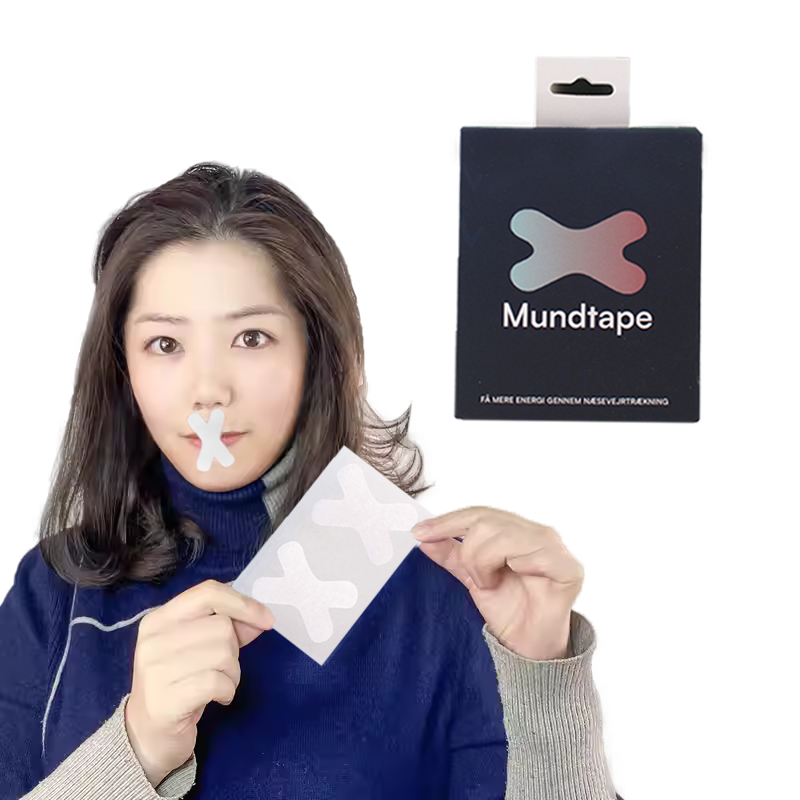
Selecting the appropriate breath tape for individuals with sensitive facial skin requires careful consideration of materials, adhesive properties, and skin compatibility. Many people struggle with mouth breathing during sleep, which can lead to dry mouth, snoring, and disrupted sleep patterns. However, those with sensitive skin face additional challenges when choosing breath tape products that provide effective mouth closure without causing irritation or allergic reactions.
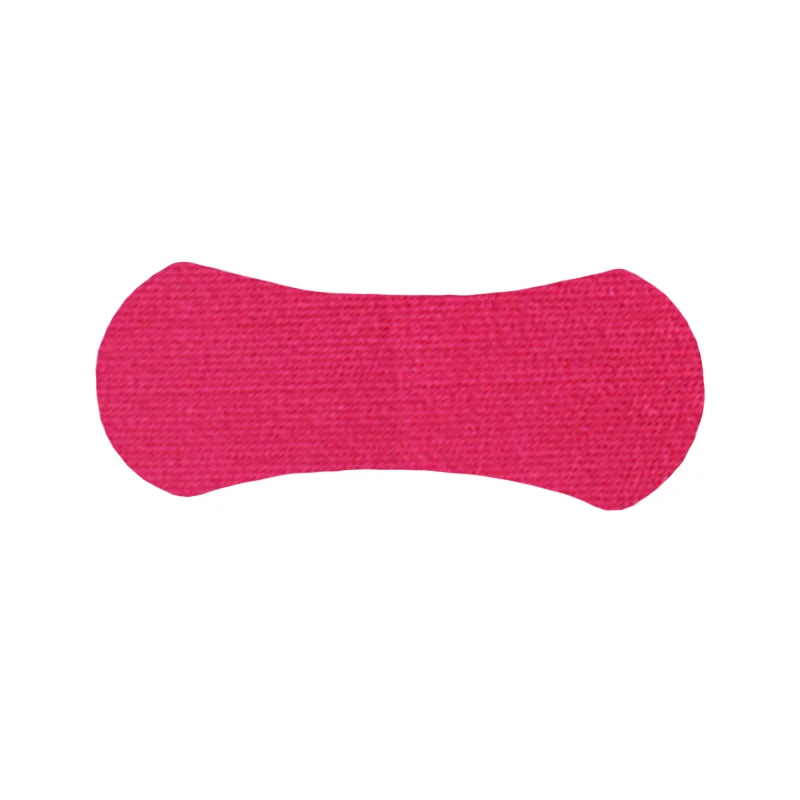
Understanding your skin's unique needs and the various breath tape formulations available in the market is essential for making an informed decision. The wrong choice can result in skin redness, rashes, or even long-term sensitivity issues. This comprehensive guide will help you navigate the selection process and identify the most suitable breath tape options for your delicate facial skin.
Understanding Sensitive Skin and Adhesive Compatibility
Characteristics of Sensitive Facial Skin
Sensitive facial skin typically exhibits heightened reactivity to external stimuli, including adhesive products like breath tape. This skin type often shows signs of irritation more quickly than normal skin, manifesting as redness, itching, burning sensations, or even contact dermatitis. The delicate nature of facial skin, combined with its constant exposure to environmental factors, makes it particularly vulnerable to adverse reactions from adhesive materials.
Individuals with sensitive skin may have compromised skin barrier function, which allows irritants to penetrate more easily into the deeper layers of the skin. This condition can be exacerbated by factors such as genetics, age, hormonal changes, environmental pollutants, and previous exposure to harsh chemicals or allergens. Understanding these underlying factors is crucial when selecting breath tape products that will be in direct contact with your facial skin for extended periods.
Common Adhesive Irritants to Avoid
Traditional adhesives used in many breath tape products contain potentially irritating substances that can trigger adverse reactions in sensitive skin. Latex is one of the most common culprits, causing allergic contact dermatitis in susceptible individuals. Acrylic-based adhesives, while generally considered safer, can still cause irritation in some people, particularly when used repeatedly or for extended periods.
Formaldehyde and formaldehyde-releasing preservatives are another category of concerning ingredients found in some adhesive products. These chemicals can cause both immediate irritation and delayed hypersensitivity reactions. Other problematic substances include certain rubber accelerators, antioxidants, and tackifying resins that may be present in lower-quality breath tape formulations. Being aware of these potential irritants helps you make more informed choices when evaluating different breath tape options.
Material Composition and Hypoallergenic Properties
Medical-Grade Adhesive Technologies
High-quality breath tape products designed for sensitive skin typically utilize medical-grade adhesive technologies that have been specifically formulated to minimize skin irritation. These advanced adhesives often employ silicone-based formulations, which provide excellent adherence while maintaining gentleness on the skin. Silicone adhesives are known for their biocompatibility and reduced risk of allergic reactions compared to traditional rubber or acrylic-based alternatives.
Hydrocolloid adhesives represent another excellent option for sensitive skin applications. These materials form a gel-like seal when in contact with moisture, creating a comfortable barrier that moves naturally with facial expressions and breathing patterns. The gentle nature of hydrocolloid technology makes it particularly suitable for individuals who experience irritation with conventional adhesive formulations. When evaluating breath tape options, look for products that explicitly mention medical-grade or pharmaceutical-grade adhesive components.
Breathable Substrate Materials
The base material or substrate of breath tape plays a crucial role in overall skin comfort and compatibility. Non-woven fabrics made from cotton or bamboo fibers offer excellent breathability and natural moisture-wicking properties. These materials allow air circulation around the adhesive area, reducing the risk of moisture buildup that can lead to skin maceration or bacterial growth.
Microporous materials represent another category of skin-friendly substrates that provide optimal balance between adhesion and breathability. These specially engineered materials feature microscopic pores that allow water vapor to escape while maintaining the integrity of the adhesive seal. When choosing breath tape for sensitive skin, prioritize products that emphasize breathable substrate construction and natural fiber content.
Testing and Gradual Introduction Strategies
Patch Testing Methodology
Before committing to regular use of any breath tape product, conducting a proper patch test is essential for individuals with sensitive skin. This process involves applying a small piece of the tape to a less visible area of skin, such as the inner forearm or behind the ear, and monitoring for reactions over 24 to 48 hours. The patch test should simulate actual usage conditions as closely as possible, including the duration of application and removal process.
During the patch testing period, observe the test area for any signs of irritation, including redness, swelling, itching, or unusual sensations. Even mild reactions during patch testing may indicate that the product could cause more significant issues when applied to the more sensitive facial area. Document your observations and consider testing multiple breath tape products to compare their compatibility with your skin type.
Progressive Application Approach
Once you have identified a potentially suitable breath tape through patch testing, implement a progressive application approach to minimize the risk of adverse reactions. Begin with shorter application periods, perhaps 2-3 hours during daytime rest, before progressing to full overnight use. This gradual introduction allows your skin to adapt to the adhesive contact and helps identify any delayed sensitivity reactions.
Monitor your skin's response carefully during this introduction period, paying attention to any changes in skin texture, color, or sensation in the application area. Some individuals may experience mild initial sensitivity that resolves as their skin adapts to the product. However, any persistent or worsening reactions should prompt immediate discontinuation and consideration of alternative breath tape formulations.
Application Techniques for Sensitive Skin
Proper Skin Preparation Methods
Preparing your skin correctly before applying breath tape can significantly reduce the risk of irritation and improve overall comfort. Begin by gently cleansing the mouth and surrounding area with a mild, fragrance-free cleanser to remove any oils, residue, or skincare products that might interfere with adhesion or cause reactions when trapped under the tape. Avoid using harsh scrubs or exfoliating products immediately before application.
Allow your skin to dry completely before applying the breath tape, as moisture can affect adhesive performance and potentially increase the risk of skin irritation. Some individuals with very sensitive skin may benefit from applying a thin layer of protective barrier cream or petroleum jelly around the edges of the intended application area, being careful not to interfere with the central adhesive zone where the breath tape will make primary contact.
Optimal Removal Techniques
The method used to remove breath tape can be just as important as the application process for maintaining skin health and preventing irritation. Never attempt to quickly pull off the tape, as this can cause skin trauma and increase sensitivity over time. Instead, gently warm the adhesive by pressing lightly with your finger or applying a warm, damp cloth to soften the adhesive bond.
Remove the breath tape slowly and at a low angle, supporting the skin with your free hand to prevent stretching or pulling. If you encounter resistance, pause and apply additional warmth or moisture to further soften the adhesive. After removal, gently cleanse the area with cool water and consider applying a soothing, fragrance-free moisturizer to help restore the skin barrier and prevent dryness or irritation.
Product Features for Enhanced Skin Comfort
Advanced Adhesive Formulations
Modern breath tape products designed for sensitive skin often incorporate advanced adhesive formulations that provide strong hold while minimizing skin trauma. These formulations may include skin-conditioning agents such as aloe vera extract, vitamin E, or chamomile to provide additional soothing benefits during wear. Some premium products feature pH-balanced adhesives that work harmoniously with the natural acidity of healthy skin.
Repositionable adhesive technology represents another innovation that benefits users with sensitive skin. These formulations allow for minor adjustments during application without compromising adhesive strength or causing additional skin stress. The ability to reposition the breath tape ensures optimal placement and comfort, reducing the need for multiple applications that could increase irritation risk.
Size and Shape Considerations
The physical dimensions and shape of breath tape products can significantly impact comfort and skin compatibility for sensitive individuals. Smaller, more precisely sized tapes may be preferable as they minimize the total area of skin contact while still providing effective mouth closure. Some manufacturers offer breath tape in multiple sizes to accommodate different facial structures and personal preferences.
Rounded corners and smooth edges help prevent lifting and reduce the risk of accidental removal during sleep movements. These design features also minimize pressure points that could cause localized irritation or discomfort. When evaluating breath tape options, consider products that offer ergonomic shapes specifically designed for facial contours and movement patterns during sleep.
Identifying Quality Manufacturers and Certifications
Medical Device Standards and Approvals
Reputable breath tape manufacturers typically pursue medical device certifications and approvals that demonstrate their commitment to safety and quality. Look for products that meet FDA standards or equivalent international regulatory requirements, as these certifications indicate that the product has undergone rigorous testing for biocompatibility and skin safety. ISO 13485 certification for medical device manufacturing is another positive indicator of quality control and safety protocols.
Clinical testing data and dermatologist recommendations provide additional validation of a product's suitability for sensitive skin applications. Some manufacturers conduct specific studies on skin irritation potential and publish their findings to demonstrate product safety. Products that have been tested by independent dermatological laboratories or recommended by healthcare professionals generally offer greater confidence for individuals with sensitive skin concerns.
Ingredient Transparency and Documentation
High-quality breath tape manufacturers provide comprehensive ingredient lists and material safety documentation for their products. This transparency allows individuals with known sensitivities or allergies to make informed decisions based on specific ingredient concerns. Look for companies that clearly list all components, including adhesive formulations, substrate materials, and any additional treatments or coatings applied to the product.
Manufacturing location and quality control information can also provide insights into product reliability and consistency. Companies that manufacture in regulated facilities and implement strict quality control measures are more likely to produce consistent products that meet safety standards. Some manufacturers also provide batch testing information or certificates of analysis that document the purity and safety of their breath tape products.
Long-term Skin Health Considerations
Monitoring for Cumulative Effects
Regular use of breath tape requires ongoing attention to potential cumulative effects on sensitive facial skin. Even products that initially seem well-tolerated may cause gradual sensitization or irritation with repeated exposure over time. Establish a routine for monitoring your skin's condition, including periodic breaks from breath tape use to assess baseline skin health and identify any subtle changes that might indicate developing sensitivity.
Document any changes in skin texture, color, or sensitivity in the application area, as these observations can help you identify patterns or triggers that might require product adjustments. Some individuals find it helpful to rotate between different breath tape products or take scheduled breaks to prevent sensitization and maintain optimal skin health over the long term.
Integration with Skincare Routines
Incorporating breath tape use into your existing skincare routine requires careful consideration of product interactions and timing. Avoid applying breath tape over active skincare ingredients such as retinoids, alpha hydroxy acids, or benzoyl peroxide, as these substances can increase skin sensitivity and potentially cause adverse reactions when occluded under adhesive products.
Consider adjusting your evening skincare routine to accommodate breath tape use, perhaps by applying active treatments to other areas of the face while keeping the mouth area free of potentially reactive ingredients. Some individuals benefit from using gentler, fragrance-free products in the breath tape application area while maintaining their regular routine for the rest of their face. Communication with a dermatologist can help you develop an integrated approach that supports both your skincare goals and successful breath tape use.
FAQ
How long should I wait between trying different breath tape products if I have sensitive skin
For individuals with sensitive skin, it's recommended to wait at least one week between trying different breath tape products to allow your skin to fully recover and return to baseline condition. This waiting period helps ensure that any reactions you observe are specifically related to the new product rather than residual effects from the previous one. If you experienced irritation with a previous product, extend the waiting period to 2-3 weeks to allow complete healing before introducing a new formulation.
Can I use breath tape if I have active skin conditions like eczema or dermatitis around my mouth
It's generally not advisable to use breath tape over areas affected by active skin conditions such as eczema, dermatitis, or other inflammatory conditions. The adhesive contact can worsen existing irritation and potentially delay healing. Consult with a dermatologist before using breath tape if you have ongoing skin conditions, as they may recommend specific products or suggest waiting until the condition resolves. In some cases, treating the underlying skin condition first may be necessary before considering breath tape use.
What should I do if I develop a reaction to breath tape but still need help with mouth breathing
If you develop a reaction to breath tape but still need assistance with mouth breathing during sleep, discontinue use immediately and consult with a healthcare provider about alternative solutions. Options may include nasal breathing aids, positional therapy devices, or addressing underlying causes of mouth breathing such as nasal congestion or sleep position. A sleep specialist or ENT doctor can help identify the root cause of mouth breathing and recommend appropriate treatments that don't involve facial adhesives.
Are there specific ingredients I should always avoid in breath tape if I have very sensitive skin
Individuals with very sensitive skin should typically avoid breath tape products containing latex, formaldehyde or formaldehyde-releasing preservatives, strong fragrances, and certain rubber accelerators or tackifying agents. Additionally, avoid products with acrylate adhesives if you have known sensitivities to acrylic materials. Look for breath tape made with medical-grade silicone adhesives, natural substrate materials like cotton or bamboo, and products specifically labeled as hypoallergenic or designed for sensitive skin. Always perform patch testing regardless of product claims to ensure compatibility with your individual skin chemistry.
Table of Contents
- Understanding Sensitive Skin and Adhesive Compatibility
- Material Composition and Hypoallergenic Properties
- Testing and Gradual Introduction Strategies
- Application Techniques for Sensitive Skin
- Product Features for Enhanced Skin Comfort
- Identifying Quality Manufacturers and Certifications
- Long-term Skin Health Considerations
-
FAQ
- How long should I wait between trying different breath tape products if I have sensitive skin
- Can I use breath tape if I have active skin conditions like eczema or dermatitis around my mouth
- What should I do if I develop a reaction to breath tape but still need help with mouth breathing
- Are there specific ingredients I should always avoid in breath tape if I have very sensitive skin
