
 EN
EN
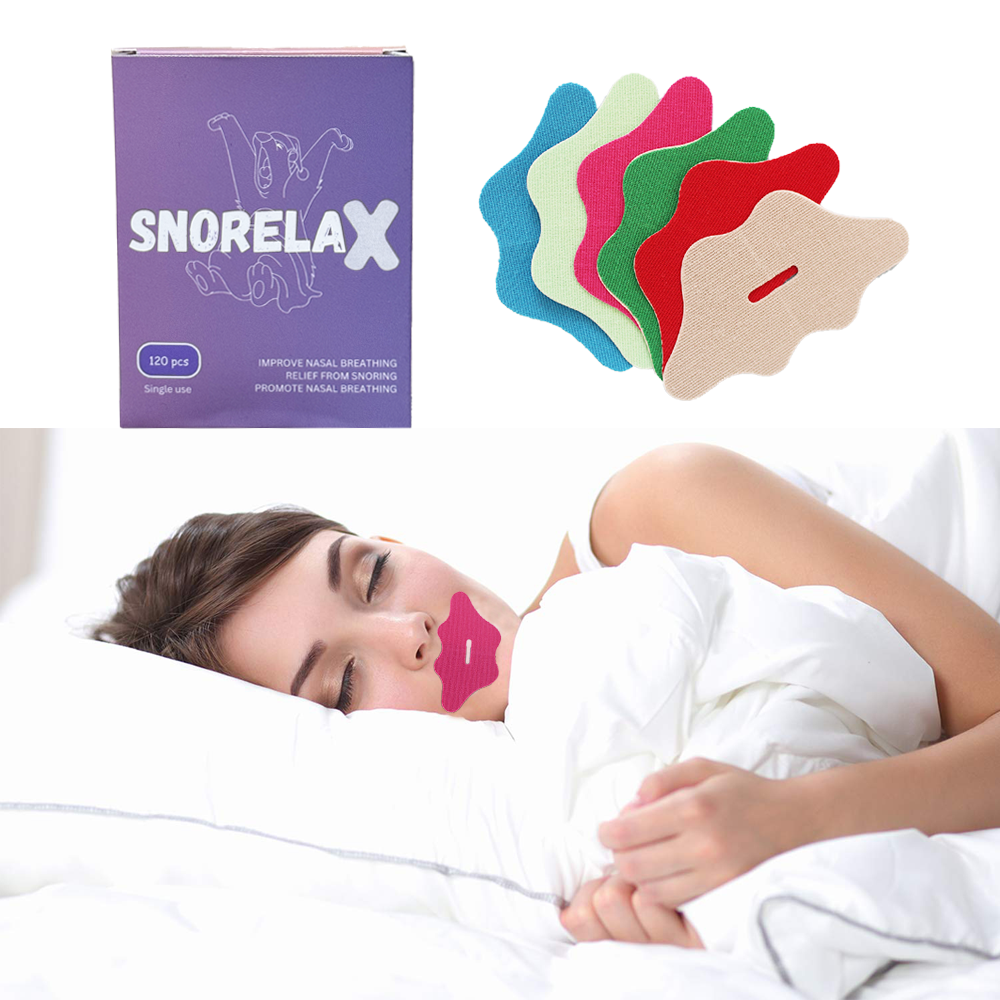
Sleep quality affects every aspect of our daily lives, and many people struggle with mouth breathing during sleep without realizing its impact on their rest and overall health. The debate between adhesive strips and gentle cloth-based mouth tape has become increasingly relevant as more individuals seek effective solutions for promoting nasal breathing throughout the night. Understanding the fundamental differences between these two approaches can help you make an informed decision that aligns with your specific needs, skin sensitivity, and comfort preferences. Both options serve the same primary purpose of encouraging nasal breathing, but they differ significantly in materials, adhesion methods, and user experience. The choice between traditional adhesive strips and modern cloth-based mouth tape ultimately depends on various factors including skin type, breathing patterns, and personal comfort levels.
Understanding Traditional Adhesive Strips
Composition and Design Features
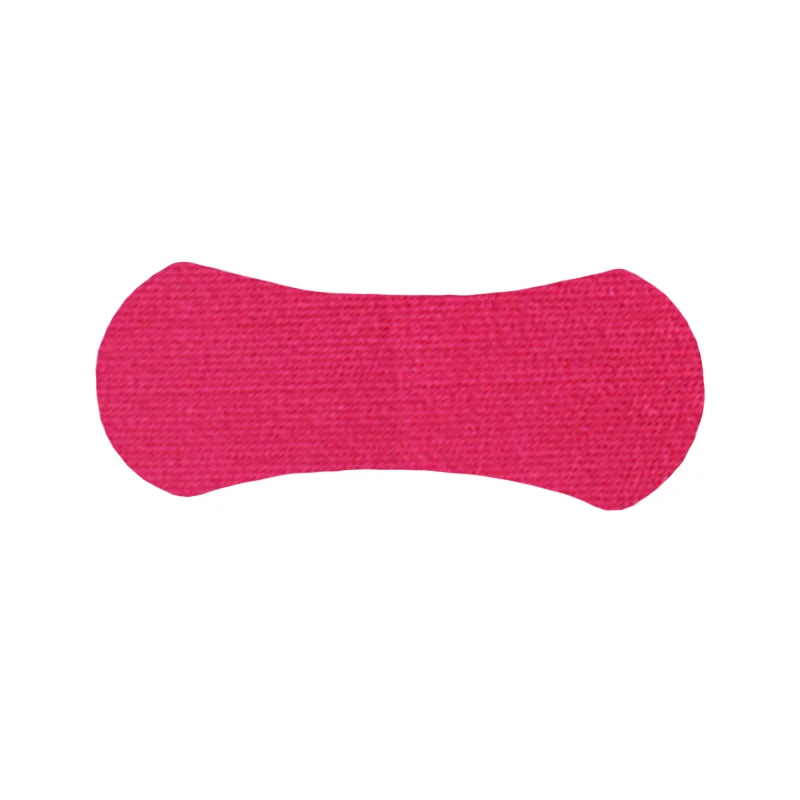
Traditional adhesive strips typically consist of medical-grade tape with strong adhesive properties designed to create a secure seal across the lips. These strips often feature a straightforward design with a backing paper that users remove before application. The adhesive used in these products is usually acrylic-based or similar compounds that provide immediate and strong bonding to the skin surface. Many users appreciate the simplicity of adhesive strips, as they require minimal preparation and can be applied quickly as part of a bedtime routine. However, the strength of the adhesive can sometimes be excessive for individuals with sensitive skin or those who prefer a gentler approach to mouth tape application.
Application Methods and User Experience
Applying traditional adhesive strips involves cleaning the lip area, removing the protective backing, and pressing the strip firmly across the mouth. The application process is straightforward, but users must ensure proper placement to avoid air gaps that could compromise effectiveness. Many people find that adhesive strips provide an immediate sense of security due to their strong hold, which can be reassuring for those new to using mouth tape. The removal process, however, can be challenging and sometimes uncomfortable, particularly in the morning when the adhesive has had hours to bond with the skin. Some users report difficulty removing these strips without causing irritation or discomfort, especially if they have facial hair or sensitive skin around the mouth area.
Exploring Gentle Cloth-Based Mouth Tape
Material Innovation and Comfort Features
Gentle cloth-based mouth tape represents a significant advancement in sleep aid technology, utilizing soft fabric materials combined with medical-grade adhesives designed for sensitive skin. These products often feature breathable cloth or cotton-like materials that feel more natural against the skin compared to traditional plastic or paper-based strips. The mouth tape construction allows for better air circulation around the adhesive area, reducing moisture buildup that can cause discomfort during extended wear. The fabric component also provides flexibility that moves with natural lip movements during sleep, maintaining comfort throughout the night. This innovative approach addresses many of the comfort concerns associated with traditional adhesive strips while maintaining effective mouth closure.
Advanced Adhesion Technology
The adhesion system used in cloth-based mouth tape differs significantly from traditional strips, employing gentle yet effective bonding agents that provide secure hold without aggressive sticking. These advanced adhesives are formulated to be hypoallergenic and suitable for nightly use, even on sensitive skin types. The adhesion strength is carefully calibrated to maintain effectiveness throughout the sleep cycle while allowing for easy, pain-free removal in the morning. Many cloth-based options feature repositionable adhesives that allow users to adjust placement without losing effectiveness. This technology represents a balance between security and gentleness that many users find superior to traditional adhesive approaches.
Skin Sensitivity and Compatibility Considerations
Assessing Your Skin Type
Determining your skin sensitivity level is crucial when choosing between adhesive strips and cloth-based mouth tape options. Individuals with sensitive skin, eczema, or other dermatological conditions may find traditional adhesive strips too harsh for regular use. The strong adhesives used in conventional strips can cause irritation, redness, or allergic reactions in susceptible individuals. Cloth-based alternatives typically use gentler formulations specifically designed for sensitive skin applications. Testing a small area of skin with the adhesive before full application can help identify potential reactions. People with facial hair should also consider how different adhesive types interact with hair, as stronger adhesives may cause discomfort during removal.
Long-Term Use Implications
Regular nightly use of mouth tape requires consideration of long-term skin health and comfort. Traditional adhesive strips may cause cumulative irritation with repeated use, leading to skin sensitization over time. The harsh removal process associated with strong adhesives can damage the delicate skin around the mouth area. Cloth-based mouth tape is specifically engineered for regular use, with gentler adhesives that minimize the risk of skin damage or sensitization. The breathable materials used in cloth-based options also reduce moisture buildup and bacterial growth that can occur with non-breathable adhesive strips. Users planning to incorporate mouth tape into their nightly routine should prioritize options designed for long-term comfort and skin health.
Effectiveness and Performance Comparison
Seal Quality and Breathing Benefits
Both adhesive strips and cloth-based mouth tape can effectively promote nasal breathing when properly applied, but their performance characteristics differ in important ways. Traditional adhesive strips often provide an immediate, strong seal that completely prevents mouth opening during sleep. This complete closure can be beneficial for individuals with severe mouth breathing habits but may feel restrictive for some users. Cloth-based mouth tape typically provides effective mouth closure while allowing for slight flexibility and natural movement. The fabric construction can adapt better to facial movements during sleep while maintaining the essential function of encouraging nasal breathing. Performance effectiveness also depends on proper sizing and application technique, regardless of the type chosen.
Durability Throughout Sleep Cycles
The ability of mouth tape to maintain effectiveness throughout an entire sleep cycle is critical for achieving the desired benefits of nasal breathing. Traditional adhesive strips generally provide strong hold that lasts through the night, but this strength comes at the cost of comfort and easy removal. Environmental factors such as humidity, temperature, and individual sleep movements can affect adhesion performance. Cloth-based mouth tape is designed to maintain consistent performance while accommodating natural sleep movements and environmental variations. The flexible nature of cloth materials allows the tape to move with facial expressions and sleep positions without losing effectiveness. Users who are active sleepers or sleep in varying environmental conditions may find cloth-based options more reliable for consistent nightly use.
Cost-Effectiveness and Value Analysis
Initial Investment and Per-Use Costs
When evaluating mouth tape options, cost considerations play an important role in decision-making, especially for long-term use. Traditional adhesive strips are often available at lower initial prices, making them appear more economical for first-time users or those wanting to try mouth tape. However, the cost per use should be considered alongside effectiveness and comfort factors. Premium cloth-based mouth tape typically requires a higher initial investment but may offer better value through improved comfort, effectiveness, and reduced skin irritation. The cost of potential skin care products or treatments for irritation caused by harsh adhesives should also be factored into the overall cost analysis. Users should consider their budget alongside their comfort and effectiveness priorities when making this decision.
Long-Term Value Proposition
The long-term value of mouth tape extends beyond the immediate purchase price to include factors such as sleep quality improvement, comfort, and skin health. Cloth-based options may provide better long-term value through consistent comfort that encourages regular use and better sleep outcomes. The gentler removal process associated with cloth-based mouth tape can prevent skin damage that might require additional skincare products or treatments. Users who find traditional adhesive strips too uncomfortable may discontinue use, negating any cost savings from the lower initial price. The investment in a more comfortable, effective solution often pays dividends in improved sleep quality and consistent use over time. Consider the total cost of ownership, including comfort and effectiveness factors, when evaluating value propositions.
Application Techniques and Best Practices
Proper Preparation Methods
Successful mouth tape application begins with proper preparation of the skin and selection of appropriate timing within your bedtime routine. The lip area should be clean and dry, free from lip balm, moisturizers, or other products that could interfere with adhesion. Some users find that applying mouth tape 15-20 minutes before lying down allows time to adjust to the sensation and ensure proper placement. For individuals with facial hair, trimming or careful positioning around hair can improve adhesion and comfort. The room temperature and humidity levels can affect adhesive performance, so consistency in environmental conditions can improve results. Proper preparation is essential regardless of whether you choose traditional strips or cloth-based mouth tape options.
Removal Strategies and Aftercare
The removal process significantly impacts the overall user experience and long-term skin health when using any type of mouth tape. Traditional adhesive strips often require careful, slow removal to minimize discomfort and skin irritation. Using warm water or a damp cloth can help soften strong adhesives before removal. Cloth-based mouth tape typically removes more easily due to gentler adhesive formulations, but proper technique still matters. Pulling slowly and parallel to the skin surface reduces the risk of irritation. Post-removal care may include applying a gentle moisturizer to the lip area, especially if using products with stronger adhesives. Establishing a consistent removal routine helps maintain skin health and comfort for long-term use.
FAQ
What are the main differences between adhesive strips and cloth-based mouth tape
The primary differences lie in material construction, adhesive strength, and user comfort. Traditional adhesive strips use stronger adhesives with plastic or paper backing, while cloth-based mouth tape features breathable fabric materials with gentler adhesives designed for sensitive skin. Cloth-based options typically provide better comfort, easier removal, and reduced skin irritation, making them suitable for regular long-term use. The choice depends on your skin sensitivity, comfort preferences, and specific sleep needs.
How do I know if my skin is too sensitive for traditional adhesive strips
Signs of skin sensitivity include redness, irritation, or discomfort after removing adhesive products. If you have a history of allergic reactions to medical tape, bandages, or other adhesive products, you may be better suited for cloth-based alternatives. People with eczema, dermatitis, or other skin conditions should generally opt for gentler formulations. Testing a small area with the adhesive before full application can help identify potential sensitivities before committing to regular use.
Can cloth-based mouth tape provide the same effectiveness as traditional strips
Yes, cloth-based mouth tape can be equally effective at promoting nasal breathing when properly applied. The key is finding the right size and ensuring proper placement. While traditional strips may provide a stronger immediate seal, cloth-based options offer consistent effectiveness with better comfort and adaptability to natural sleep movements. The effectiveness of any mouth tape depends more on proper application technique and individual anatomy than on the specific type of adhesive used.
How often should I replace my mouth tape routine if experiencing issues
If you experience persistent discomfort, skin irritation, or inadequate effectiveness, consider switching types rather than abandoning mouth tape entirely. Give each type at least one week of consistent use to properly evaluate comfort and effectiveness. Skin adaptation can take several days, but persistent irritation indicates the need for a gentler alternative. Consult with healthcare providers if you experience ongoing issues, as they can provide guidance on appropriate products for your specific needs and skin type.
Table of Contents
- Understanding Traditional Adhesive Strips
- Exploring Gentle Cloth-Based Mouth Tape
- Skin Sensitivity and Compatibility Considerations
- Effectiveness and Performance Comparison
- Cost-Effectiveness and Value Analysis
- Application Techniques and Best Practices
-
FAQ
- What are the main differences between adhesive strips and cloth-based mouth tape
- How do I know if my skin is too sensitive for traditional adhesive strips
- Can cloth-based mouth tape provide the same effectiveness as traditional strips
- How often should I replace my mouth tape routine if experiencing issues
