
 EN
EN

Breath tape represents a simple yet effective tool designed to encourage nasal breathing by gently securing the lips during sleep and exercise activities. This innovative approach addresses the widespread issue of mouth breathing, which can compromise oxygen efficiency, sleep quality, and athletic performance. Understanding the specific advantages that breath tape provides helps individuals make informed decisions about incorporating this breathing optimization tool into their wellness routines.
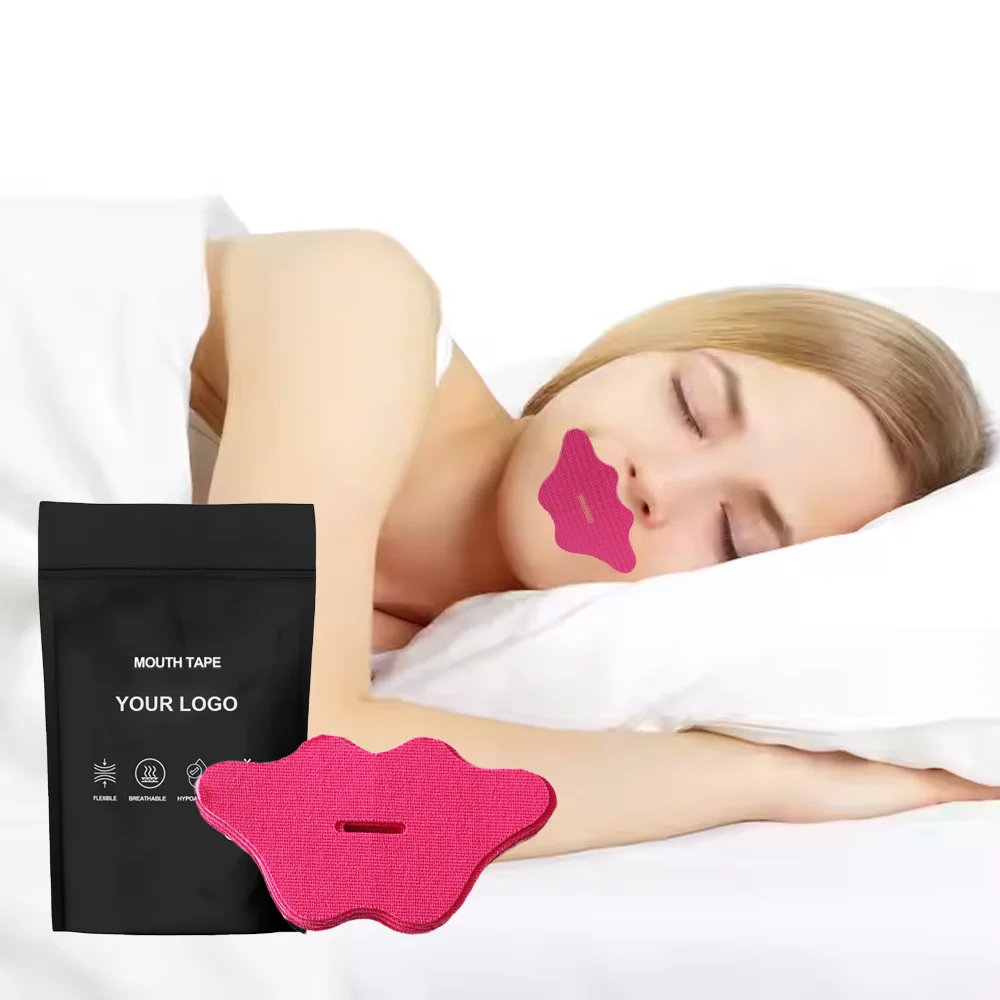
The physiological benefits of using breath tape extend beyond simple airway management, influencing everything from cardiovascular efficiency to cognitive function. By maintaining proper breathing patterns through gentle lip closure, breath tape creates conditions that optimize the body's natural respiratory mechanisms. This comprehensive examination explores how breath tape enhances both exercise performance and sleep quality through targeted nasal breathing promotion.
Enhanced Oxygen Efficiency Through Nasal Breathing
Improved Gas Exchange Mechanics
Breath tape facilitates superior oxygen uptake by ensuring air passes through the nasal passages where it undergoes critical conditioning processes. The nasal cavity filters, warms, and humidifies incoming air while adding nitric oxide, a vasodilator that enhances oxygen delivery to tissues. When breath tape maintains lip closure, it prevents the bypass of these essential nasal functions that occur during mouth breathing.
Research demonstrates that nasal breathing can increase oxygen saturation levels by up to twelve percent compared to mouth breathing patterns. This improvement occurs because the nasal passages create optimal airflow resistance, promoting more complete lung expansion and efficient gas exchange. Breath tape users consistently report feeling more energized and alert due to this enhanced oxygenation process.
The turbulent airflow created by nasal breathing also stimulates specialized receptors that regulate breathing rhythm and depth. This natural regulation mechanism helps maintain steady oxygen levels throughout exercise and sleep periods, preventing the erratic breathing patterns that can disrupt performance and recovery.
Nitric Oxide Production Benefits
One of the most significant advantages of using breath tape involves the preservation of nitric oxide production within the nasal sinuses. This molecule serves as a powerful bronchodilator and vasodilator, improving airway function and blood circulation throughout the body. Mouth breathing completely bypasses this critical nitric oxide delivery system.
Nitric oxide produced during nasal breathing helps relax smooth muscle tissue in airways and blood vessels, reducing respiratory effort and improving circulation to working muscles during exercise. Athletes who use breath tape often experience reduced perceived exertion levels and improved endurance capacity due to these circulatory enhancements.
The antimicrobial properties of nitric oxide also provide additional health benefits by reducing pathogen loads in inhaled air. This protective effect becomes particularly valuable during sleep when the immune system focuses on repair and regeneration processes.
Exercise Performance Optimization
Improved Endurance and Stamina
During physical activity, breath tape promotes nasal breathing patterns that enhance endurance performance through multiple physiological pathways. Nasal breathing naturally regulates breathing rate, preventing the rapid, shallow breathing that can lead to early fatigue and reduced exercise capacity. This controlled breathing pattern helps maintain optimal carbon dioxide levels in the blood, which is essential for efficient oxygen release to working muscles.
Athletes using breath tape during training sessions often report improved recovery between exercise intervals and enhanced overall workout quality. The increased oxygen efficiency gained through nasal breathing allows for sustained performance at higher intensities while reducing the accumulation of metabolic byproducts that contribute to muscle fatigue.
The parasympathetic nervous system activation associated with nasal breathing also helps regulate heart rate variability during exercise, promoting more efficient cardiovascular function. This regulation contributes to improved exercise tolerance and faster post-workout recovery periods.
Enhanced Focus and Mind-Body Connection
Breath tape supports the development of improved body awareness and mental focus during physical activities by encouraging mindful breathing practices. The conscious effort to maintain nasal breathing creates a stronger connection between mental state and physical performance, leading to better movement quality and reduced injury risk.
The meditative aspects of controlled nasal breathing help athletes maintain composure under physical stress, improving decision-making abilities during competitive situations. This mental clarity advantage becomes particularly pronounced in sports requiring precise timing, coordination, and strategic thinking.
Studies indicate that nasal breathing patterns activate specific brain regions associated with focus and attention, creating a natural performance enhancement effect. Breath tape users frequently report feeling more present and engaged during their exercise sessions, leading to improved technique and training outcomes.
Sleep Quality Enhancement
Reduced Sleep Disruptions
Breath tape significantly improves sleep continuity by preventing mouth breathing episodes that can cause frequent awakening throughout the night. Mouth breathing often leads to dry mouth, throat irritation, and disrupted sleep cycles that prevent restorative deep sleep phases. By maintaining nasal breathing patterns, breath tape helps preserve natural sleep architecture.
The gentle pressure provided by breath tape creates a physical reminder to maintain proper breathing without causing discomfort or anxiety. This subtle guidance helps establish consistent nasal breathing habits that continue even after the tape is removed, leading to long-term sleep improvements.
Users typically experience fewer middle-of-the-night awakening episodes and report feeling more refreshed upon waking. The improved sleep quality stems from sustained oxygen levels and reduced respiratory effort throughout the sleep period.
Snoring Reduction and Partner Benefits
Breath tape effectively reduces snoring intensity and frequency by preventing the mouth opening that contributes to airway collapse and tissue vibration. The maintained nasal breathing pathway keeps airways properly aligned and reduces the turbulent airflow that creates snoring sounds.
Partners of breath tape users often report significantly improved sleep quality due to reduced noise disturbances and fewer sleep interruptions caused by snoring episodes. This improvement in shared sleep environment contributes to better relationship dynamics and overall household well-being.
The positioning benefits of breath tape also help maintain proper jaw alignment during sleep, reducing the likelihood of teeth grinding and jaw tension that can contribute to morning headaches and facial discomfort.
Long-term Respiratory Health Benefits
Airway Strength and Conditioning
Regular use of breath tape promotes the development of stronger respiratory muscles and improved airway function through consistent nasal breathing practice. The resistance provided by nasal passages creates a natural training effect that strengthens the diaphragm and accessory breathing muscles over time.
This respiratory conditioning effect helps individuals maintain better breathing patterns even when not using breath tape, creating lasting improvements in overall respiratory health. The enhanced muscle coordination and airway stability contribute to reduced susceptibility to breathing-related sleep disorders and exercise limitations.
The improved nasal passage function that develops through consistent breath tape use also enhances the body's natural filtration and humidification capabilities, providing ongoing protection against airborne irritants and allergens.
Stress Reduction and Autonomic Balance
Breath tape supports the activation of parasympathetic nervous system responses through the promotion of slower, deeper breathing patterns. This autonomic shift helps reduce chronic stress levels and improves overall stress resilience, contributing to better mental and physical health outcomes.
The calming effects of controlled nasal breathing help regulate cortisol production and improve hormone balance throughout the body. Users often experience reduced anxiety levels and improved emotional regulation as secondary benefits of consistent breath tape use.
The mindfulness aspects of focused breathing also contribute to improved stress management skills and enhanced overall well-being. Regular practice with breath tape helps establish healthy breathing habits that support stress reduction in various life situations.
FAQ
Is breath tape safe for extended use during sleep and exercise?
Breath tape is generally safe for most individuals when used as directed, featuring gentle adhesives designed for skin contact during sleep and light exercise activities. The tape should allow for easy mouth opening if needed and should not cause skin irritation or breathing restrictions. Individuals with severe sleep apnea, nasal congestion, or respiratory conditions should consult healthcare providers before using breath tape regularly.
How quickly can someone expect to see benefits from using breath tape?
Many users notice immediate improvements in sleep quality and morning alertness within the first few nights of breath tape use, while exercise-related benefits typically become apparent within one to two weeks of consistent application. Long-term respiratory conditioning and habit formation generally develop over several months of regular use. Individual results vary based on baseline breathing patterns and overall health status.
Can breath tape help with chronic mouth breathing habits?
Breath tape serves as an effective training tool for developing nasal breathing habits by providing gentle physical guidance and awareness during sleep and exercise periods. While the tape addresses symptoms of mouth breathing, individuals with structural nasal issues or chronic congestion may need additional medical evaluation to address underlying causes. Consistent use often helps retrain breathing patterns and strengthen nasal passage function over time.
What should someone consider when choosing breath tape for their needs?
Key considerations include adhesive strength, material comfort, breathability, and ease of removal. The tape should provide adequate hold without causing skin irritation or discomfort during removal. Size and shape options should accommodate individual facial features and personal comfort preferences. Quality breath tape products feature hypoallergenic materials and appropriate adhesive strength for intended use duration.
