is mouth taping safe
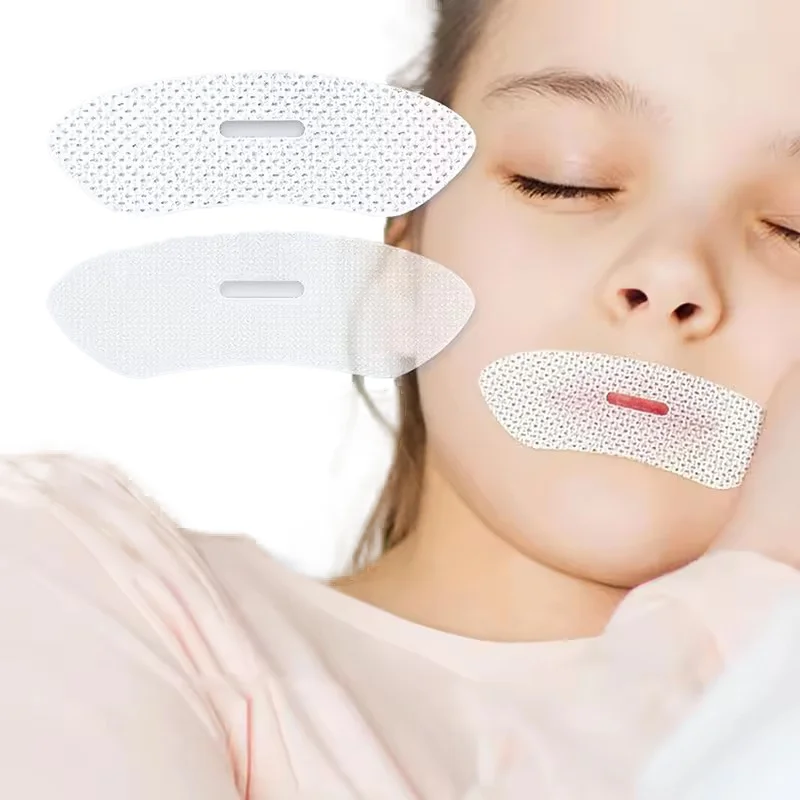
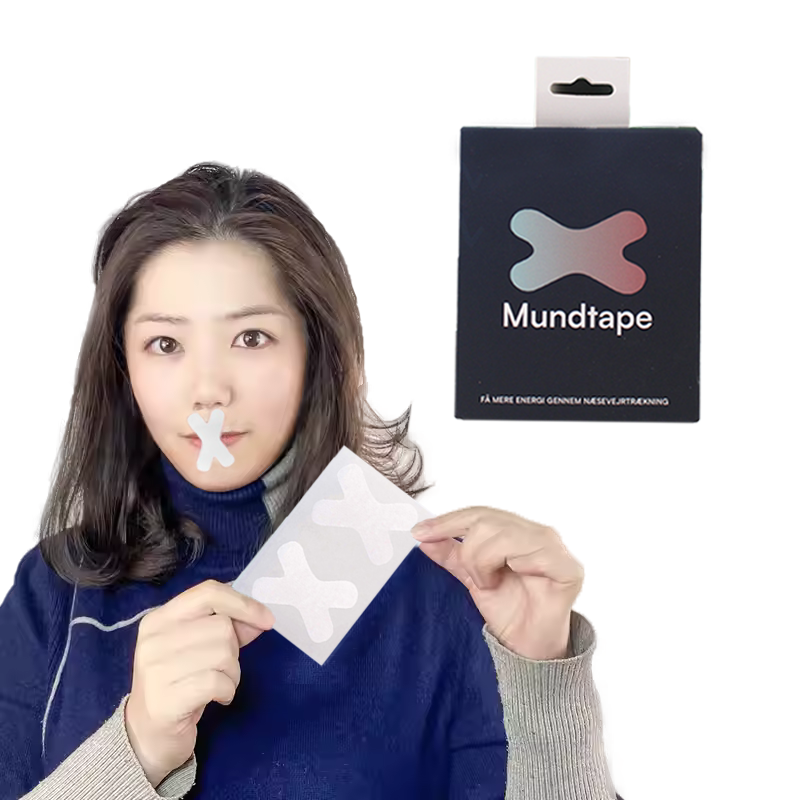
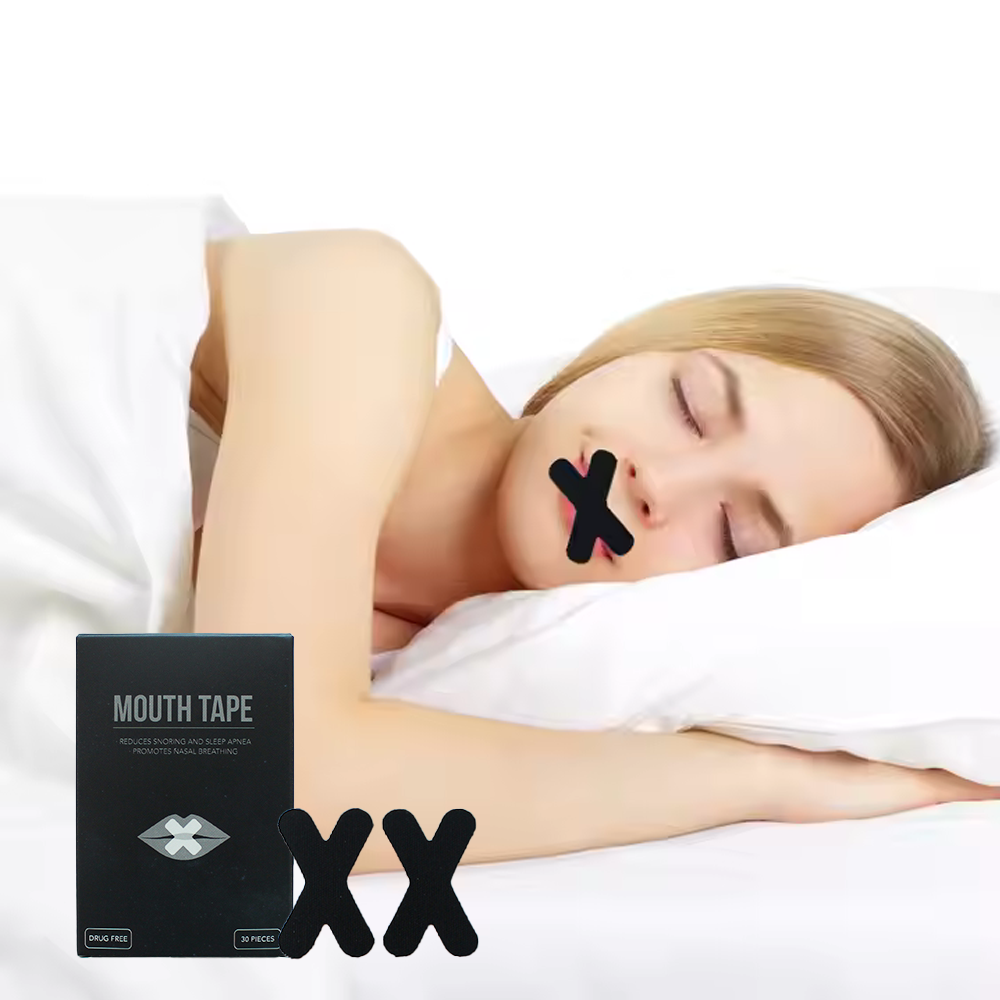
Is mouth taping safe? This question has gained significant attention in recent years as more people explore sleep optimization techniques. Mouth taping involves applying a gentle adhesive tape across the lips during sleep to promote nasal breathing patterns. The primary function of this practice is to encourage consistent nasal airflow rather than mouth breathing, which advocates claim can improve sleep quality and overall respiratory health.
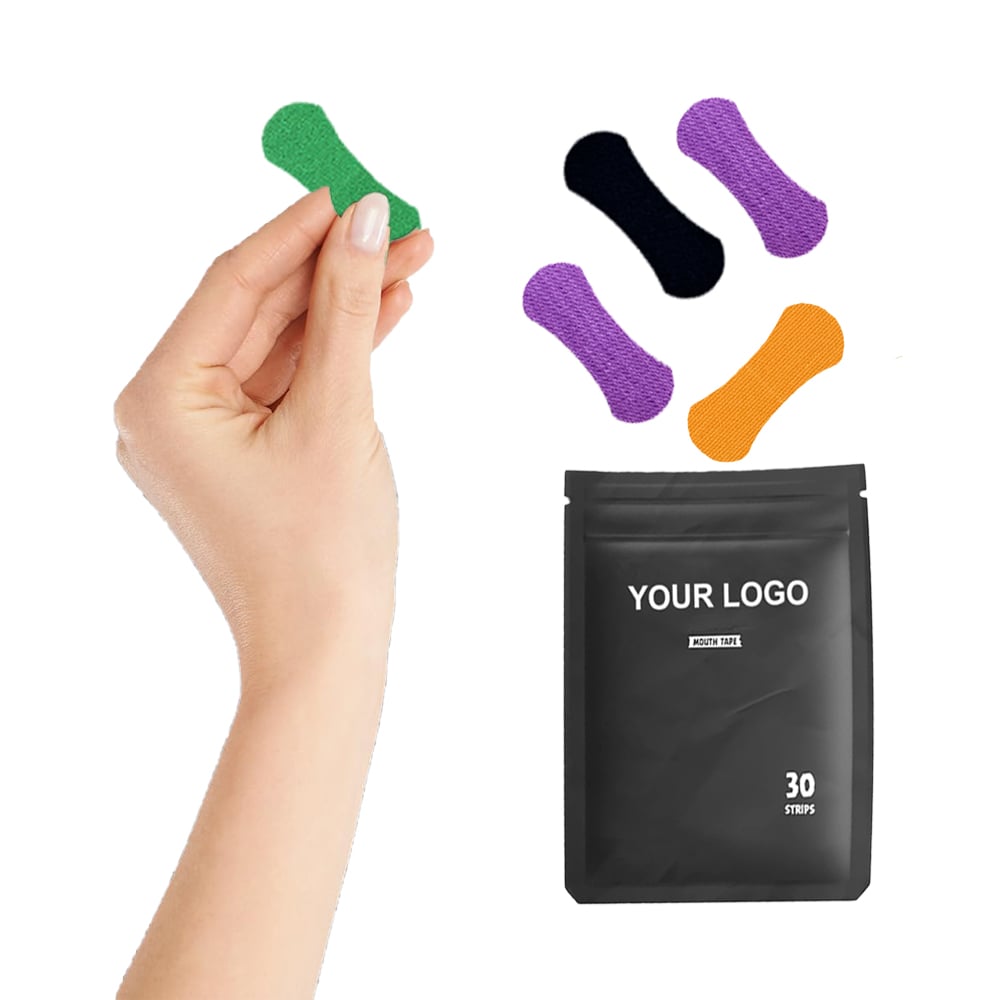
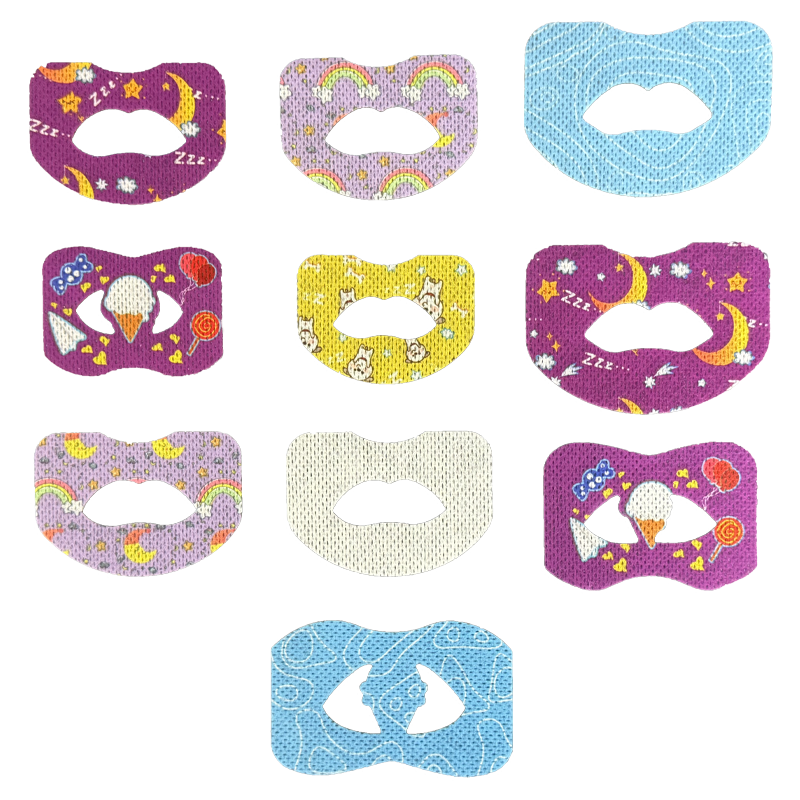
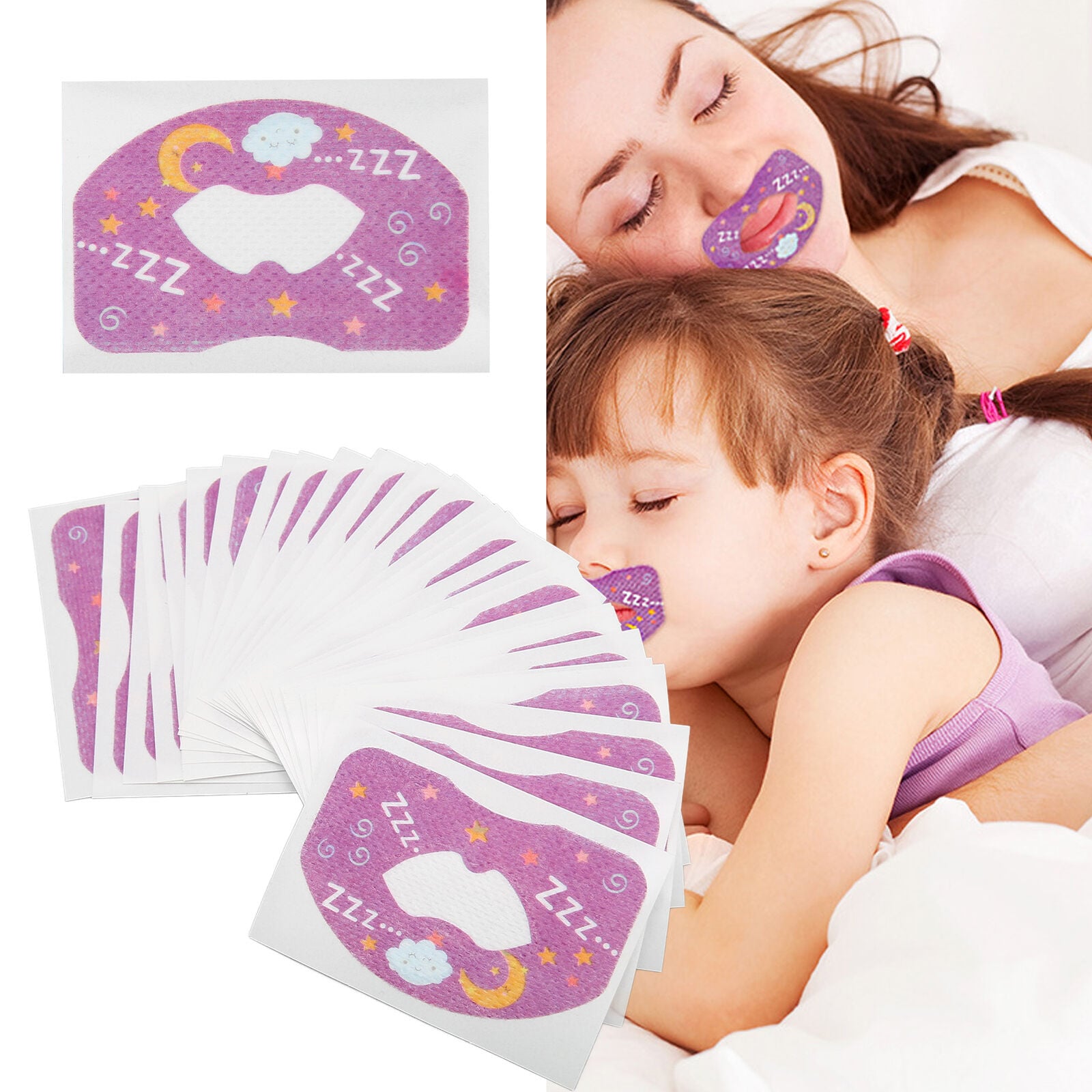
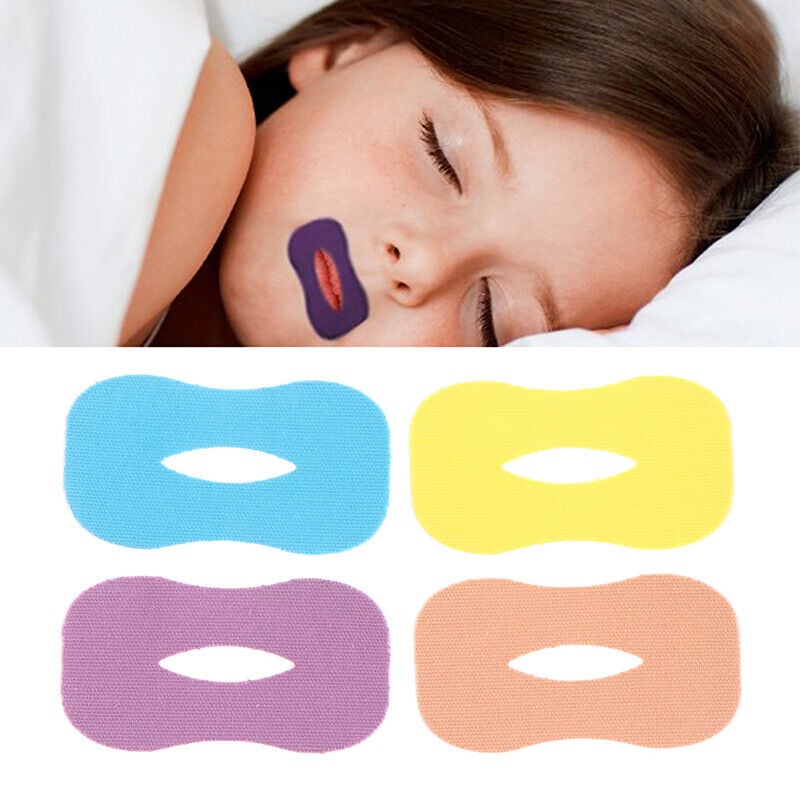
The main technological features of mouth taping products include hypoallergenic adhesive formulations designed for sensitive facial skin, breathable materials that allow moisture escape, and ergonomic shapes that conform naturally to lip contours. These innovations ensure comfort throughout the night while maintaining effectiveness.
Common applications of is mouth taping safe methodology extend across various populations. Athletes use it to optimize oxygen utilization, individuals with sleep apnea explore it as a complementary approach, and wellness enthusiasts adopt it for general health improvements. People experiencing chronic snoring often investigate whether is mouth taping safe represents a viable solution.
The science behind this practice suggests that nasal breathing filters air more effectively than mouth breathing, potentially reducing airway irritation and improving sleep architecture. However, understanding is mouth taping safe requires examining both research findings and individual circumstances. Safety considerations include skin sensitivity, existing respiratory conditions, and proper application techniques. Most experts recommend consulting healthcare providers before beginning any mouth taping regimen to ensure it aligns with personal health profiles and medical history.
 EN
EN